

A story-driven RPG you play with text or voice. No jargon, use your own words and the game understands. A hand-written world of myth responds. Real dice, factions, and consequences underneath; a complete, cinematic voyage you can actually finish. Every word human-authored. AI only does the telling.

Sign in to add this item to your wishlist, follow it, or mark it as ignored

This game is not yet available on Steam

Planned Release Date: Nov 2, 2026

This game plans to unlock in approximately 8 weeks

Interested?
Add to your wishlist and get notified when it becomes available.
 

About This Game

Set sail into the Otherworlds

If you can tell someone what you want, you can play IMMRAMA.

It's an interactive story you play by having a conversation. Say what you'd like to do: "ask the fisherman about the storm," "look inside the old chest," "take the coast road." The story answers you, out loud or in text, like a book being written around your choices. There's nothing to memorize, no controls to master, and no wrong way to say it.

And for players who love a deep RPG: it's all here too. Dice roll behind the scenes, factions track your loyalties, and choices carry real consequences. None of it is required knowledge. The game meets you wherever you are.

Wishlist IMMRAMA to follow the voyage, and try the free demo below.

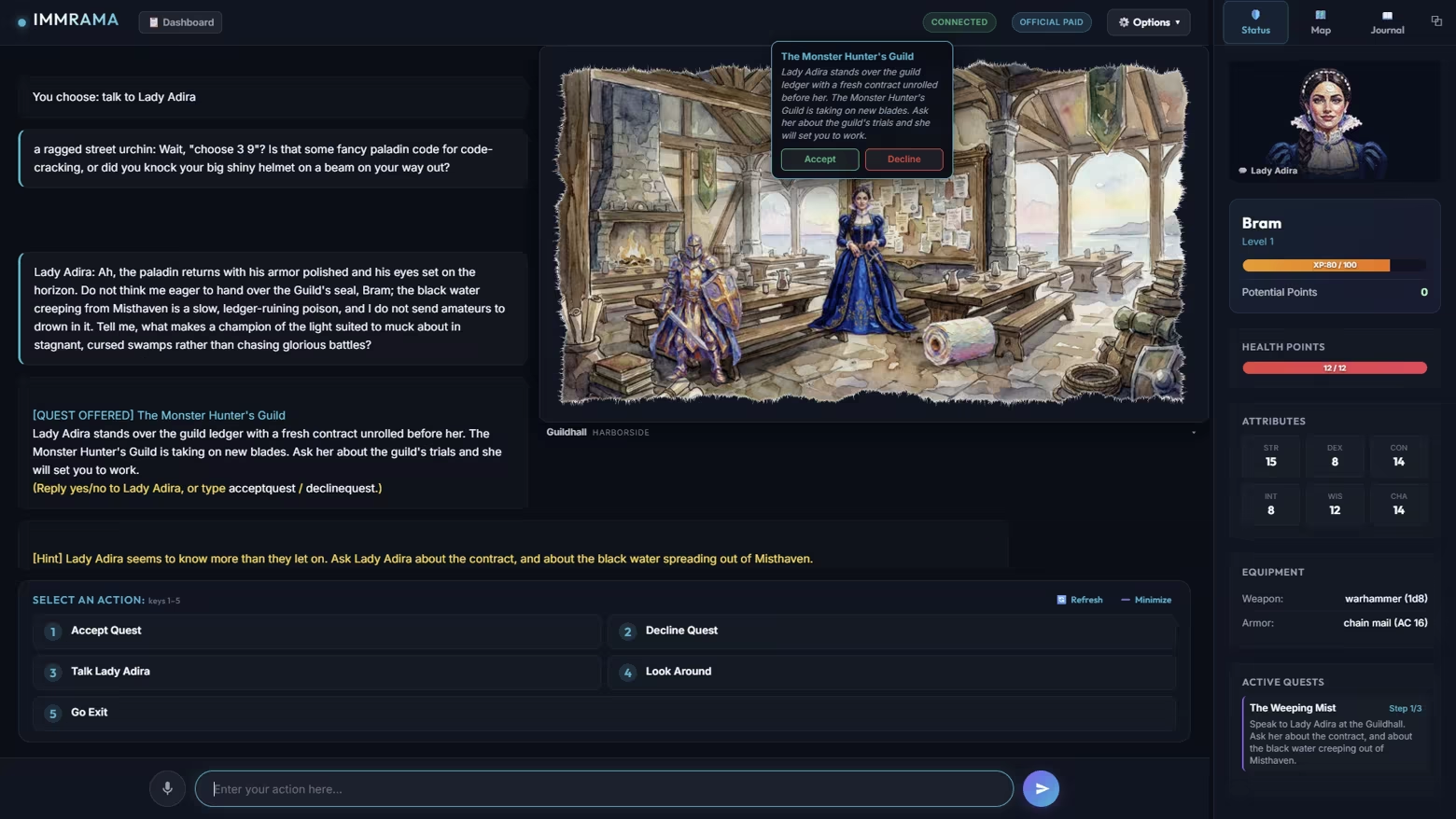
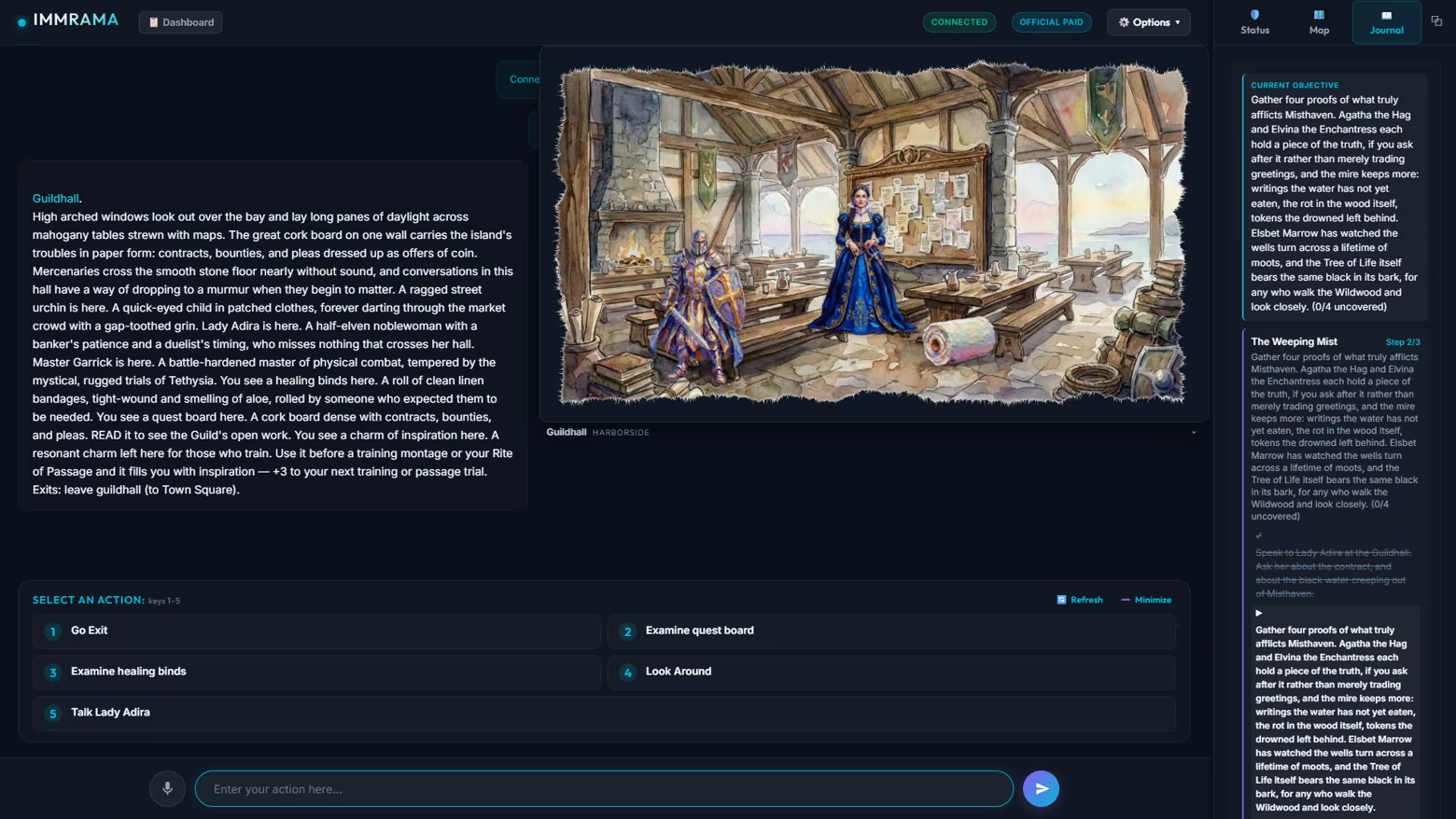
Gameplay: the player types a request in plain language; Lady Adira answers in character, a quest offer appears, and the painted guildhall scene and character sheet frame the conversation.

A storybook you can step into

Every scene is illustrated: watercolor rooms, hand-approved character portraits, painted cutscenes with full voice acting, and a sea chart that inks itself in as you sail. If you love graphic novels and story-first games, this is that shelf. Except this book listens, and writes its next page around what you just said.

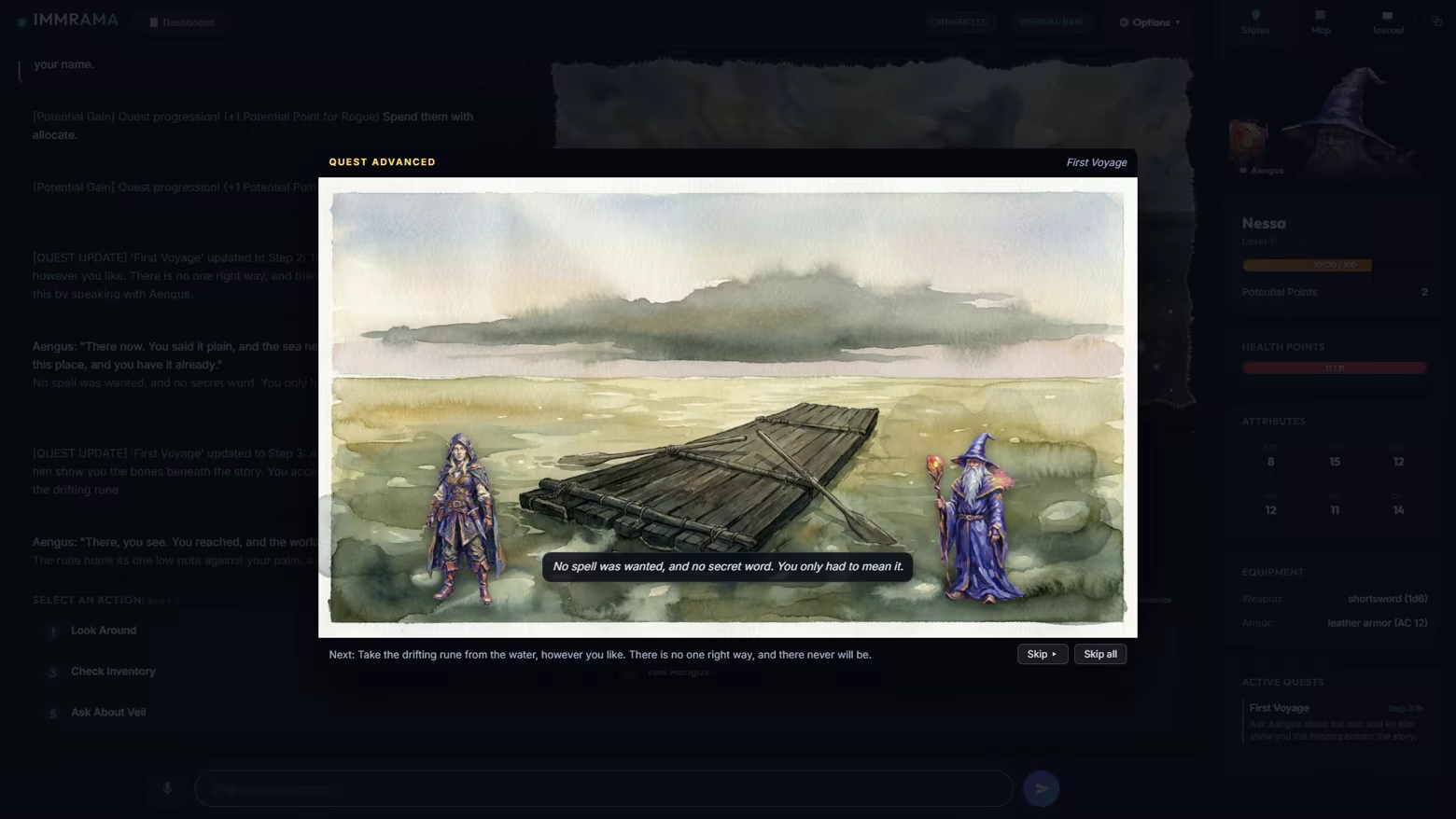
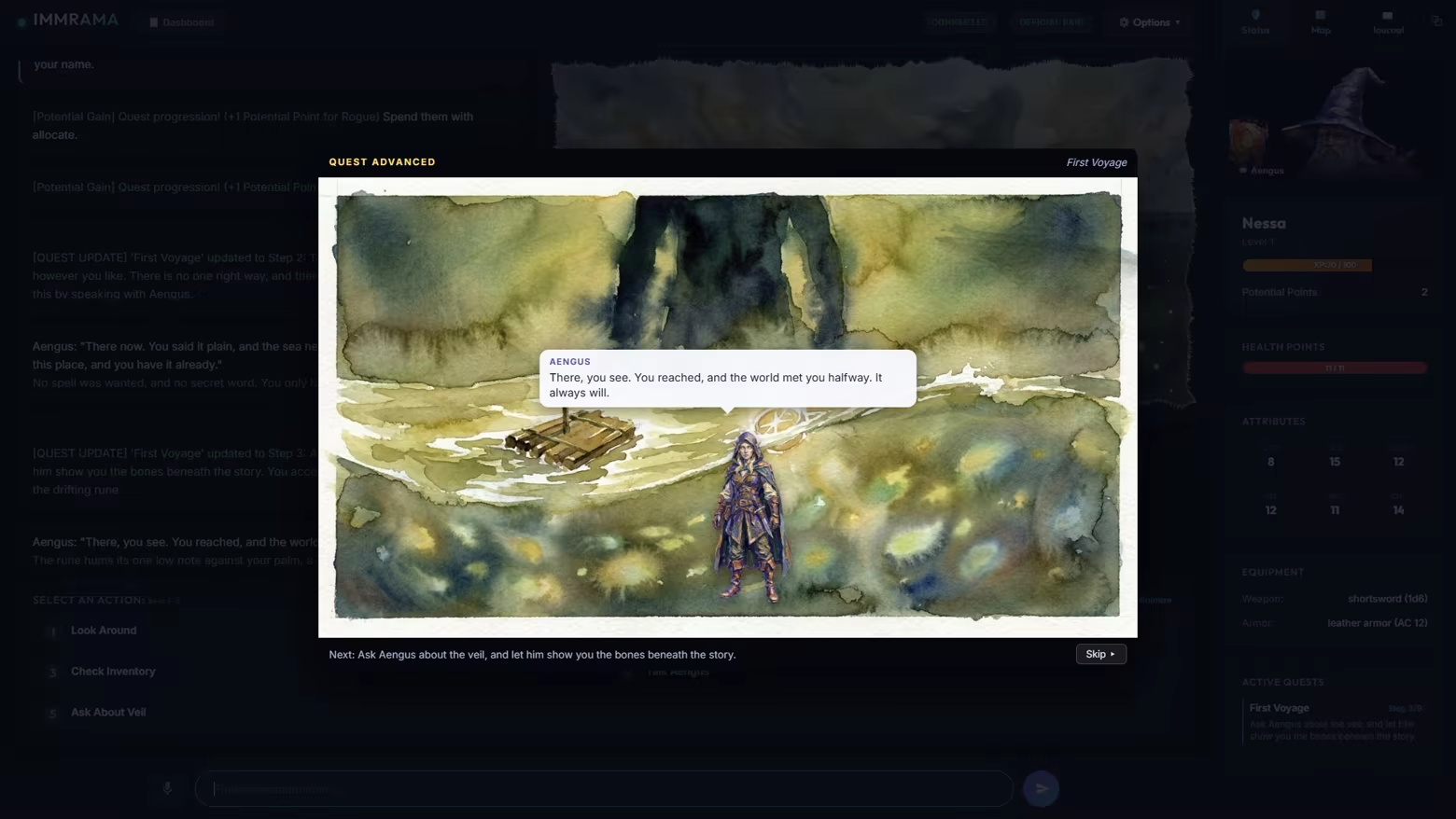
A voiced cutscene: a full-screen watercolor painting with narration.

Say what you mean

Talk to IMMRAMA the way you'd talk to a person. Ask a stranger what they know. Say you want to search the ruin, calm the guard, or take the long road north. You describe your intent; the game understands. It's as easy as talking, with a real adventure underneath.

Beneath the improvisation, real systems keep the tiller true: dice, stats, gear, quests, factions, and an economy that all interlock. The telling flexes. The rules don't.

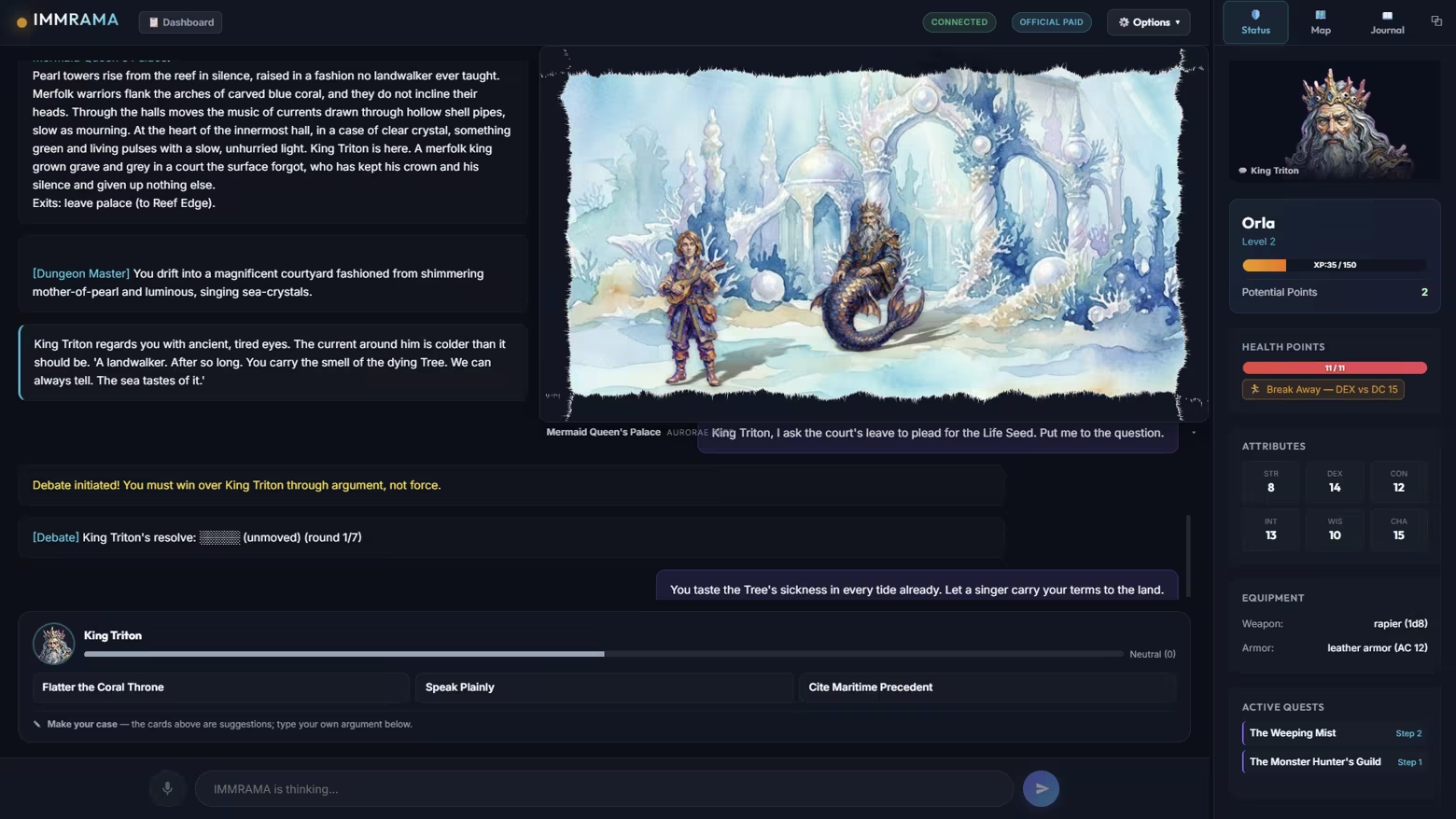
The player debates King Triton, arguing their case in their own words.

For everyone at the table

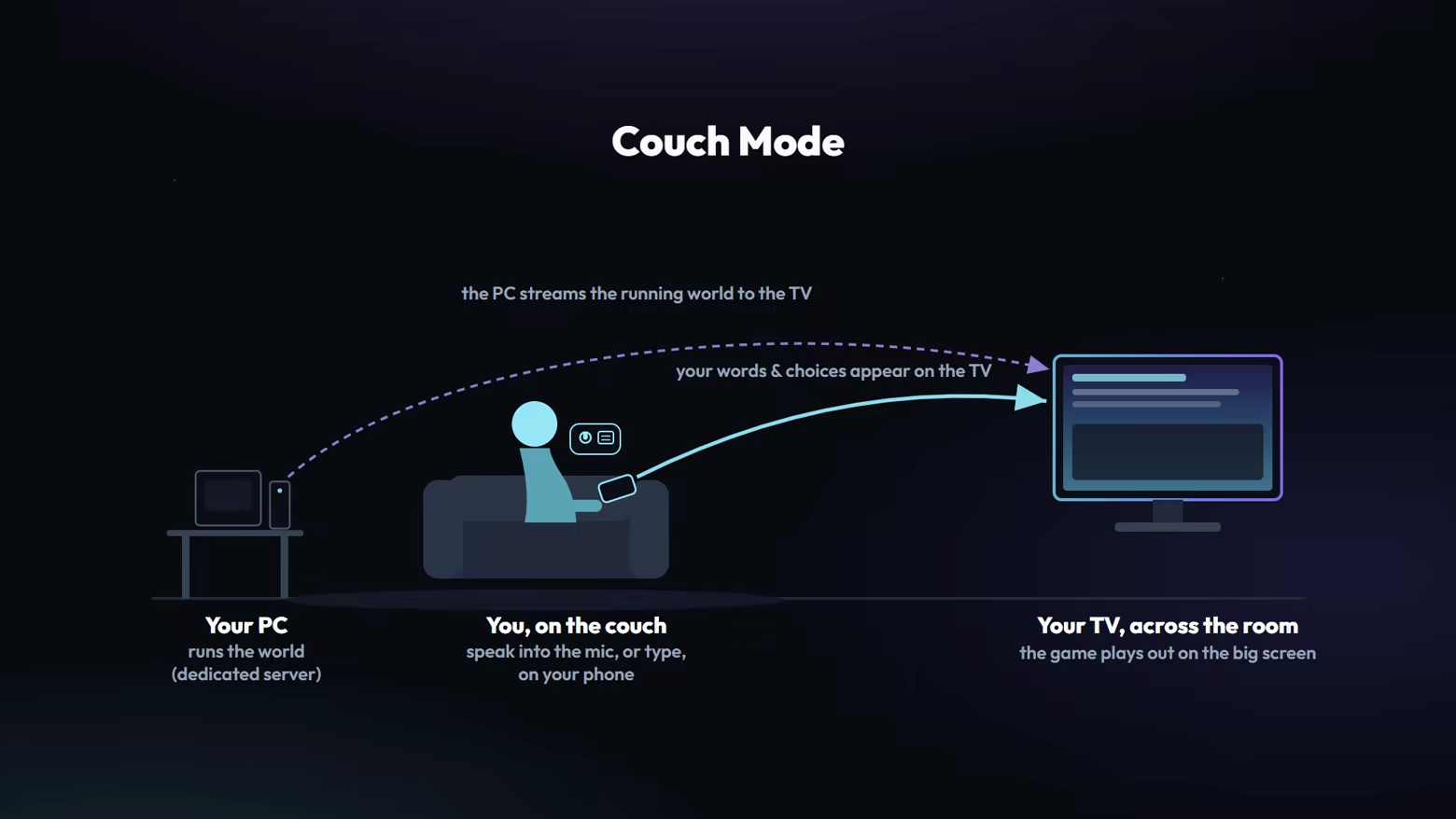
IMMRAMA was built so the whole household can play it, including the people who never touch games. If you can chat, you can voyage. Play with a keyboard, a controller, or from the couch with your phone as a companion while the story is read aloud and the painted world fills the screen. Short sessions welcome: a voyage saves anywhere, and every story is built to be finished, not to swallow your month.

Couch Mode diagram: a phone acts as companion controller while the painted world fills the TV and the story is read aloud.

One PC. Every screen in the house.

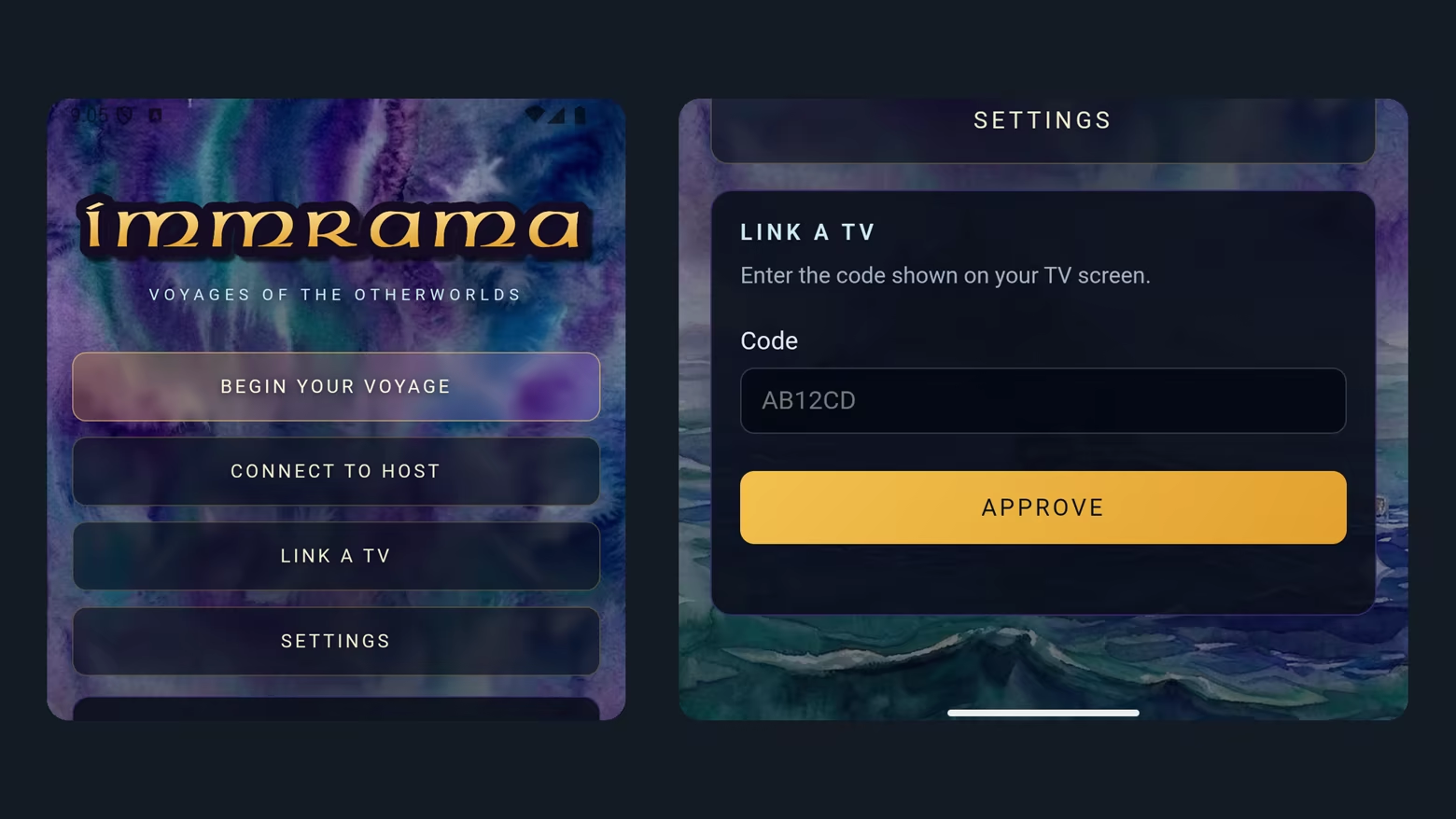
The full game turns your PC into the ship: it hosts everything, and the rest of your devices simply come aboard. Point your phone or tablet's camera at the QR code on your screen, and it connects. Android, iPhone, iPad, anything with a browser. No accounts to make, no cables, no setup beyond looking at a square.

Mix and match however your living room works: the PC runs the world, the TV shows the painted map and the story, and the phone in your hand is the controller for reading aloud, listening, or typing for whoever's turn it is. Early builds are already running on Android TV and Fire TV, with more streaming boxes on the way.

This is what we mean by accessibility. Not a settings menu. A game that comes to whatever screen, whatever room, and whatever person is easiest for you.

Two phone screens side by side: the IMMRAMA mobile menu with Begin Your Voyage, Connect to Host and Link a TV, and the Link a TV code entry screen.

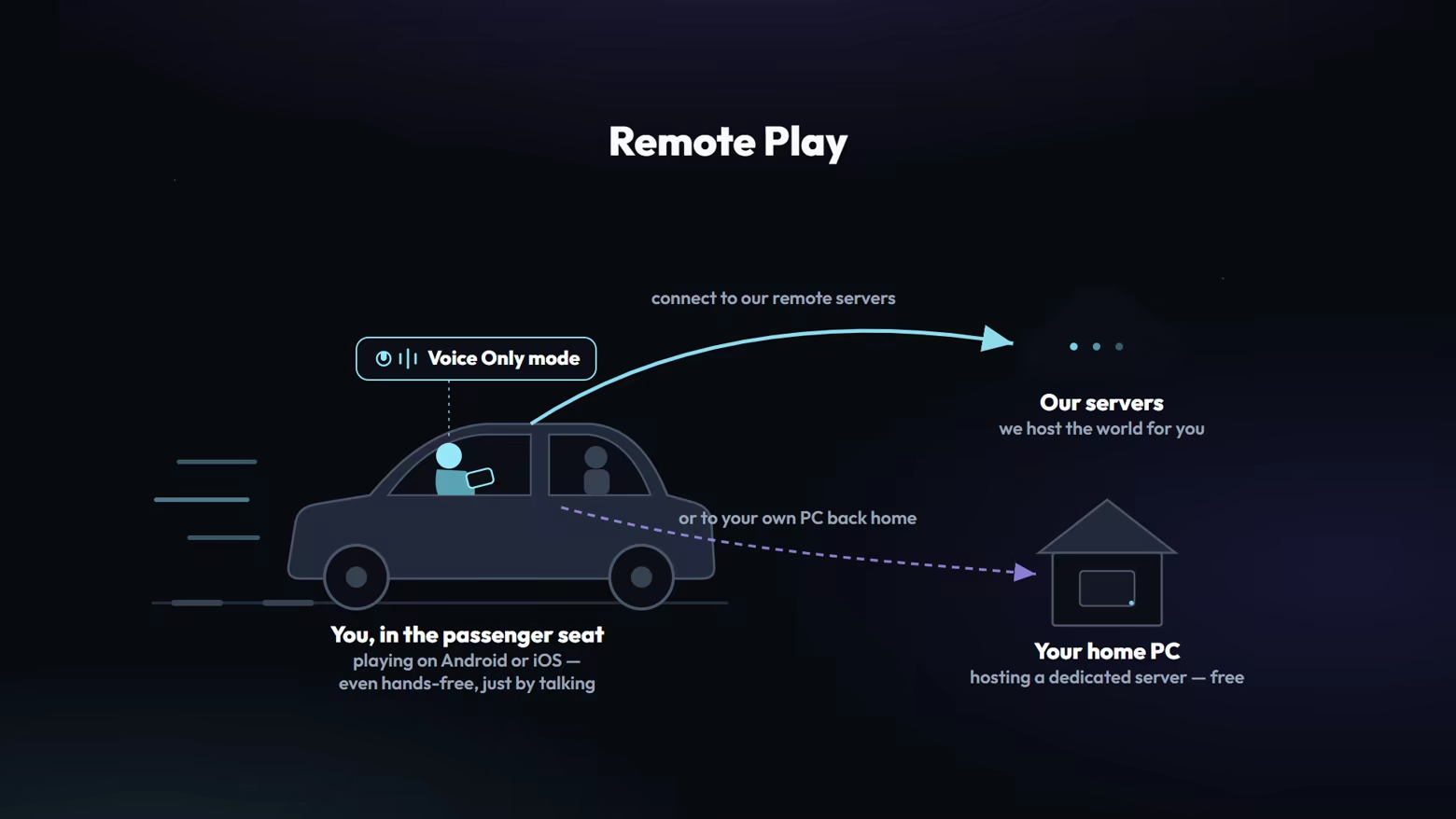
Remote Play diagram: streaming the game to phones and tablets.

A voyage, not a grind

Every island is a self-contained tale with a beginning, a middle, and an ending you reach in one journey. Cinematic in scope, built to be finished, not farmed.

Volume One is Tethysia, the Drowned Realm: 36 hand-authored locations across six regions, nine interlocking quests, and one old curse pulling the whole realm under, one tide at a time. Arrive a stranger. Leave a Curse-Breaker. Or don't leave at all.

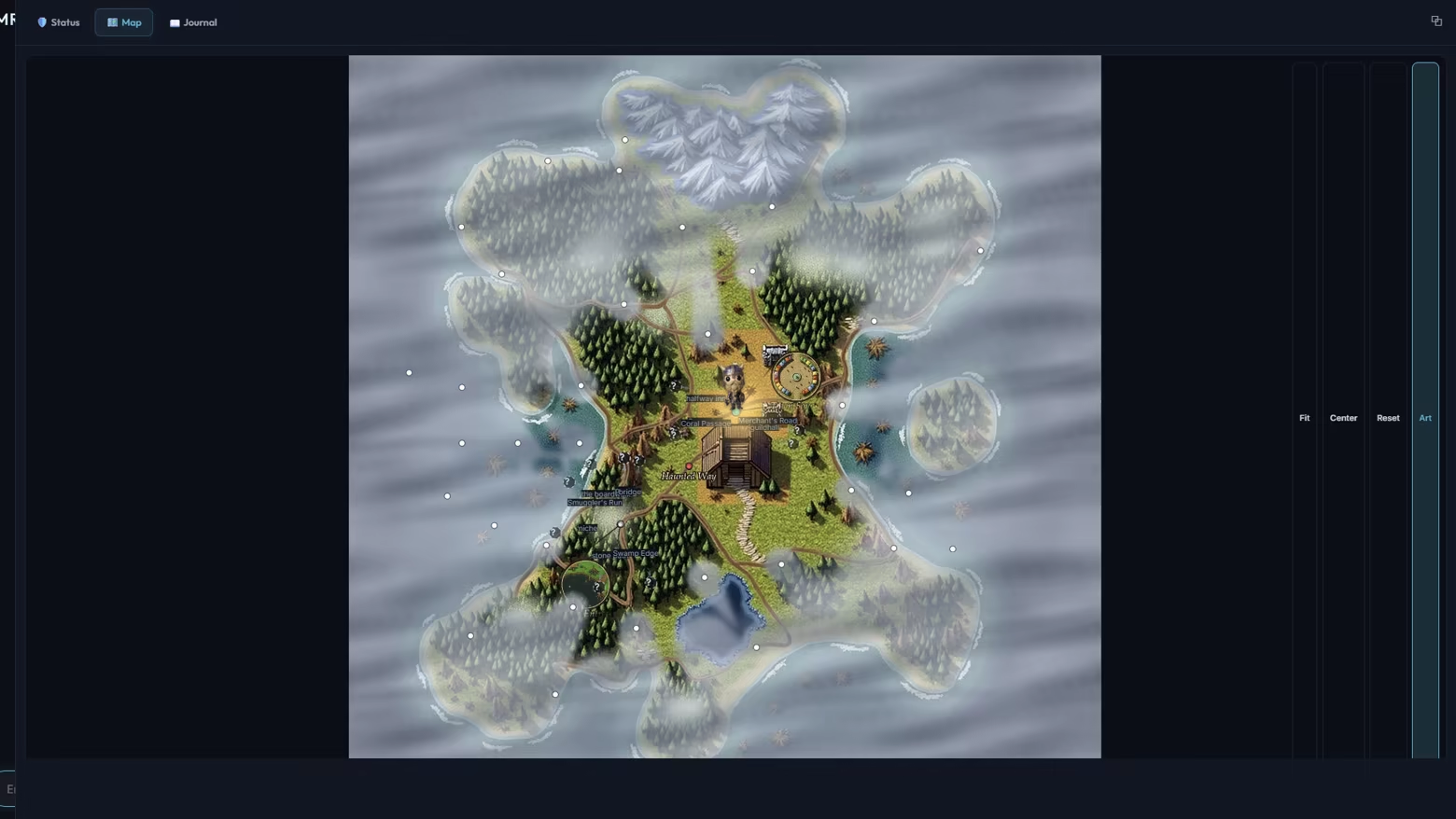
The full sea chart of Tethysia, hand-painted, with explored regions inked in and unexplored waters still fogged.

Explore a living chart that draws itself as you travel. Wander illustrated rooms, meet characters and creatures painted as their own sprites, break ancient curses, navigate the loyalties of rival factions, and make choices the world remembers.

Written by a human. Told by a machine. In that order.

We'd rather be plain about this than let you find out later.

Everything in Tethysia was authored by a person: the story, the characters, the quests, the lore, the design. Every piece of art passed a human review before it shipped. The systems are real, hand-built software, not a chatbot wearing an RPG costume.

What the AI does is tell it. It reads the plain language you type and answers with the passages we wrote. A single character may hold a hundred or more hand-written responses to your questions; the game retrieves the one that fits the moment. Then a compact local model, one we fine-tuned ourselves on our own hardware, weaves in your character's name, your gear, your standing with the factions. It edits our words to fit your story. It doesn't generate a story of its own.

A painted cutscene moment with voice acting.

We built it this way on purpose. Used like this, AI doesn't replace an author. It lets one author's finished, deliberate work respond to you, personally, in a way no branch tree ever could. The writing stays human. The telling becomes yours.

The illustrations were made the same way: produced by an artist in Adobe Creative Cloud with an AI-assisted pipeline, then finished, curated, and approved by hand. Every image, individually.

Your AI, your hardware, your rules

Most AI games lock you to one provider. IMMRAMA treats the AI like the graphics card: a component you're allowed to choose.

  • Zero setup. Play on our servers and never think about it
  • Bring your own key. Plug in an API key from a provider you already trust
  • Run it yourself. Host a model on your own machine through the app, or point the game at your own Ollama or any local server you already run
  • Point it at a friend. Connect your game to a model host running on a machine you trust, anywhere you can reach it

Your stories, your data, your choice of who, if anyone, is in the loop.

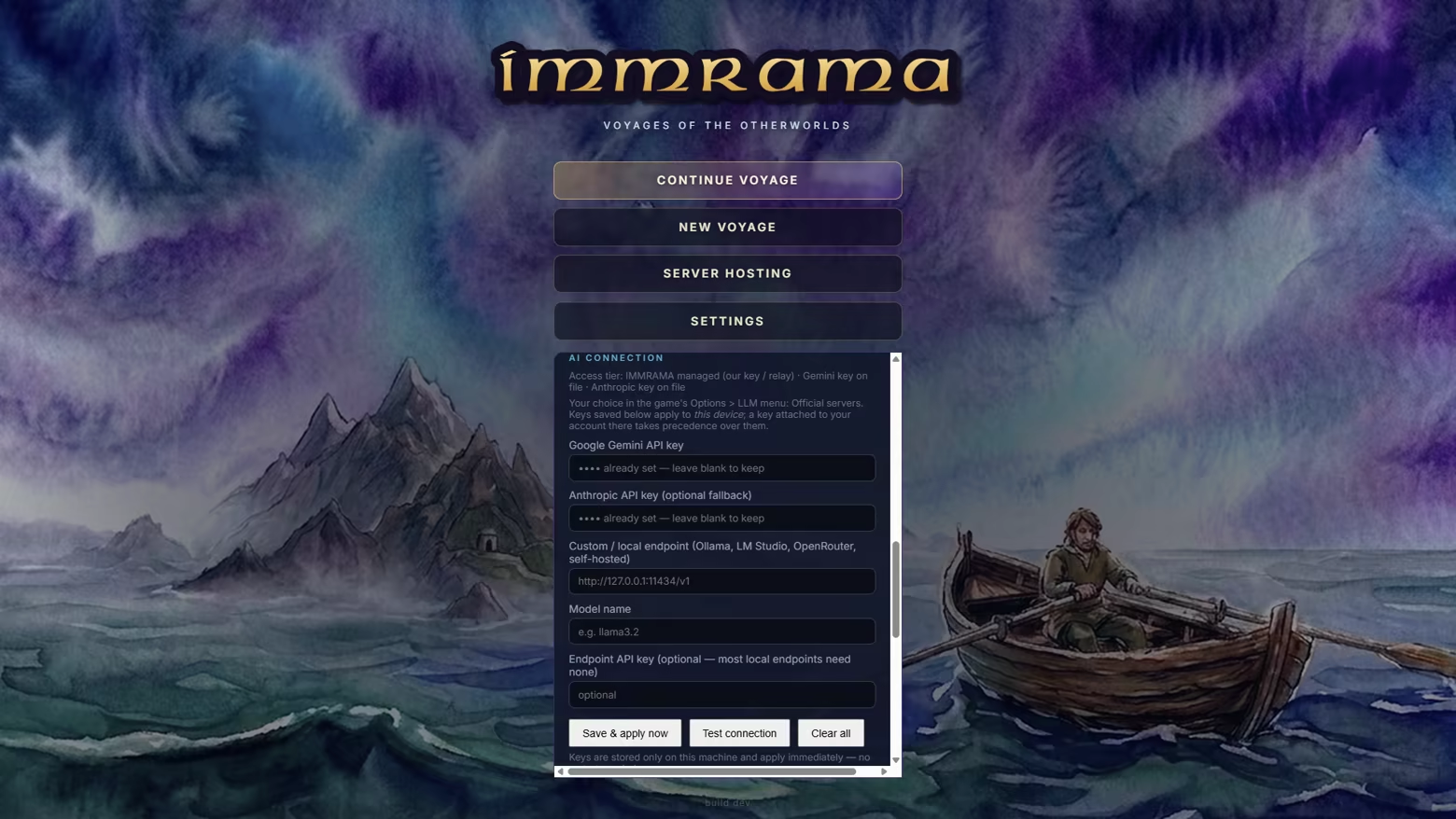
The AI connection settings panel: play on official servers, bring your own key, connect to a host, or run a local model.

Deep water for those who sound it

Under the conversation is a genuine RPG, not a picture book with buttons. Dice resolve what you attempt. Stats and gear matter. Factions track where your loyalties have landed, and characters remember what you did. They hold grudges, keep secrets, and pursue their own ends whether you're in the room or not.

Choices carry weight the game doesn't announce. How thoroughly you investigate changes what the finale lets you do. Endings are assembled from the flags your voyage actually raised: who you saved, what you broke, which questions you never asked. Two players can finish the same island as different people, having sailed two different stories.

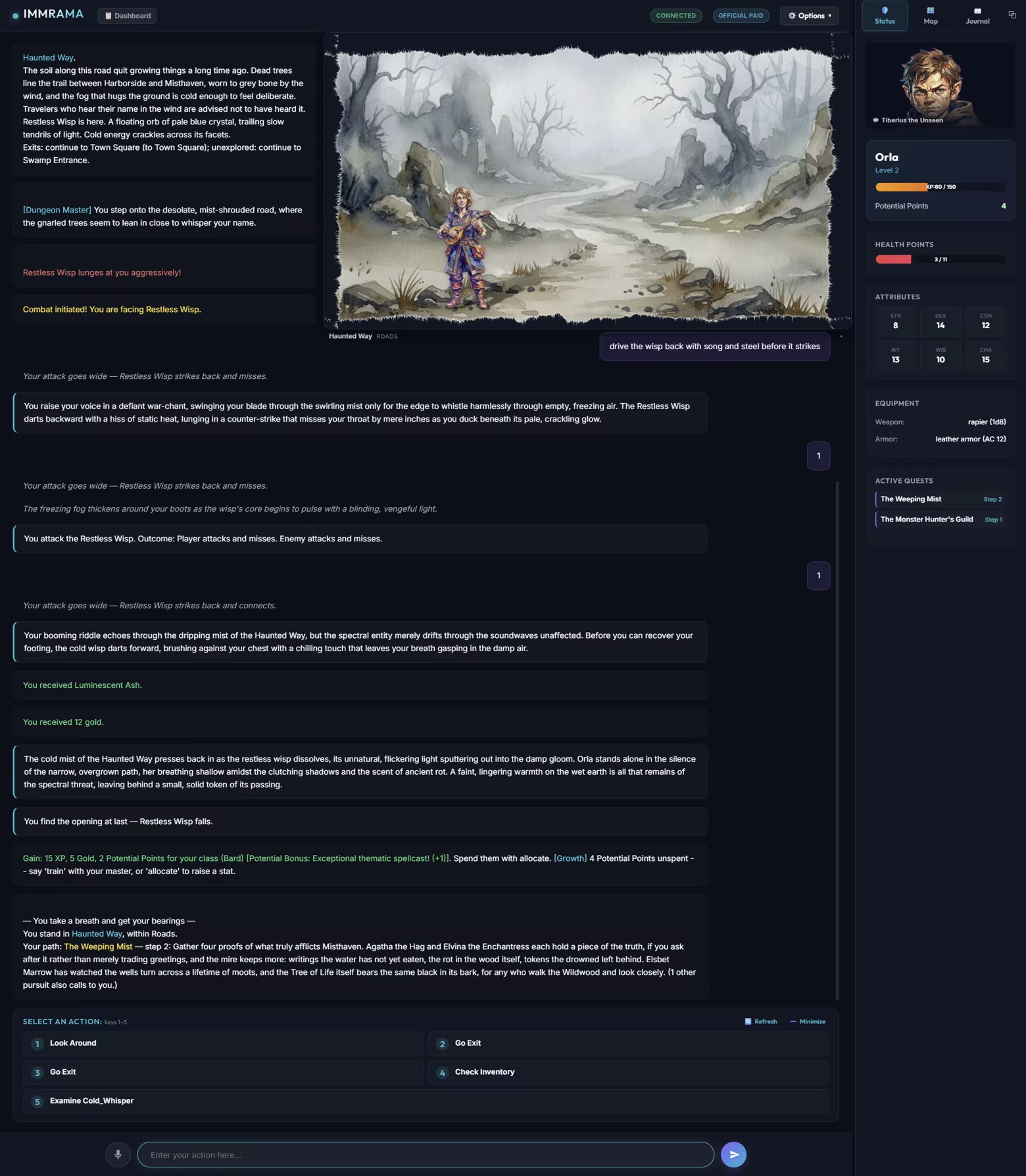
Combat on the Haunted Way: dice results, health, and equipment resolve the fight while the narrator describes it.

The quest journal tracking nine interlocking quests and the choices made in each.

From us, and from you

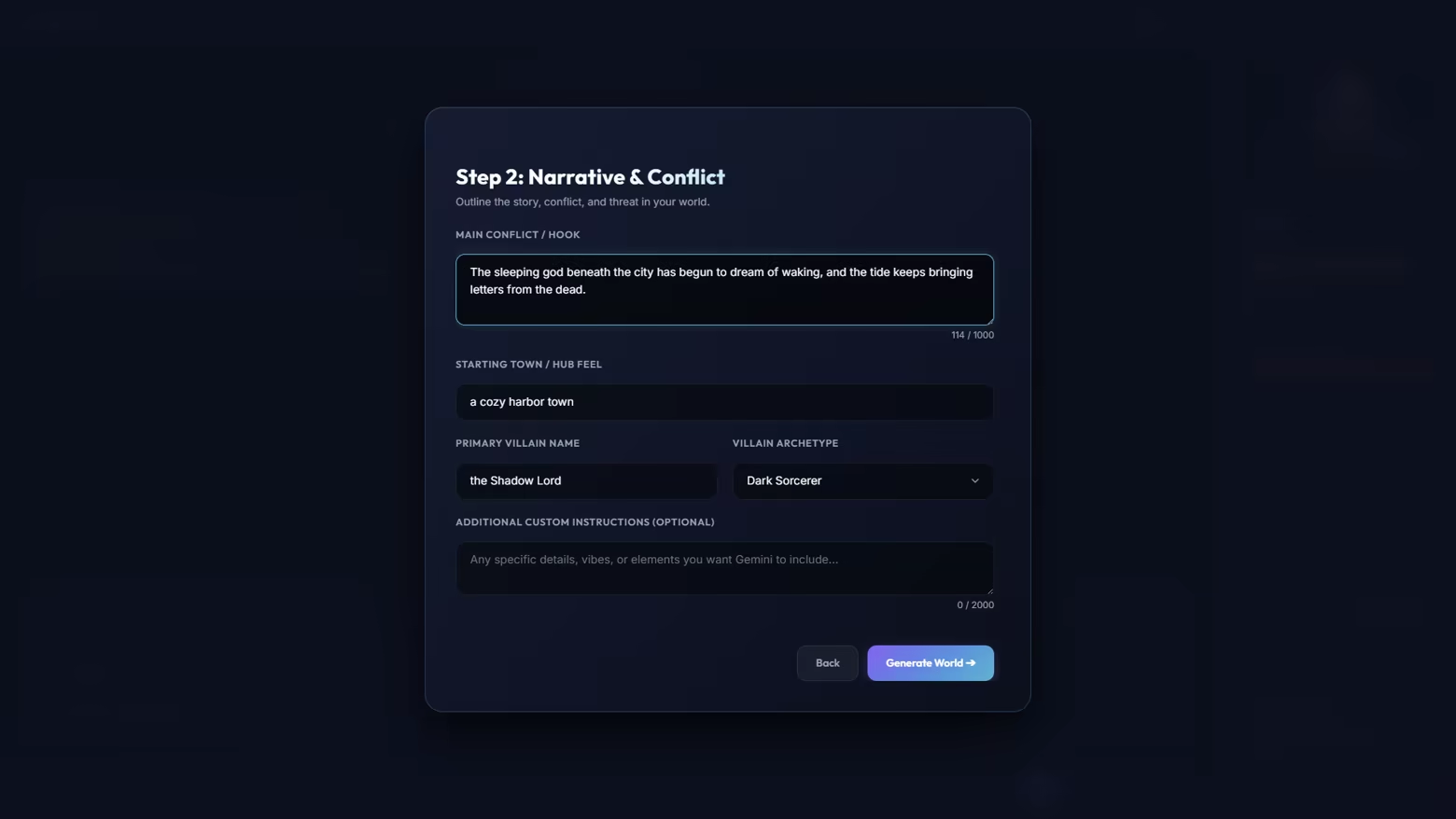
Tethysia is only the beginning. The same forge we use to build worlds is in your hands. Describe an island and it takes shape: rooms, peoples, quests, myths. Keep it private, or share it and let others sail it. What you carry in the Crane Bag travels with you between voyages.

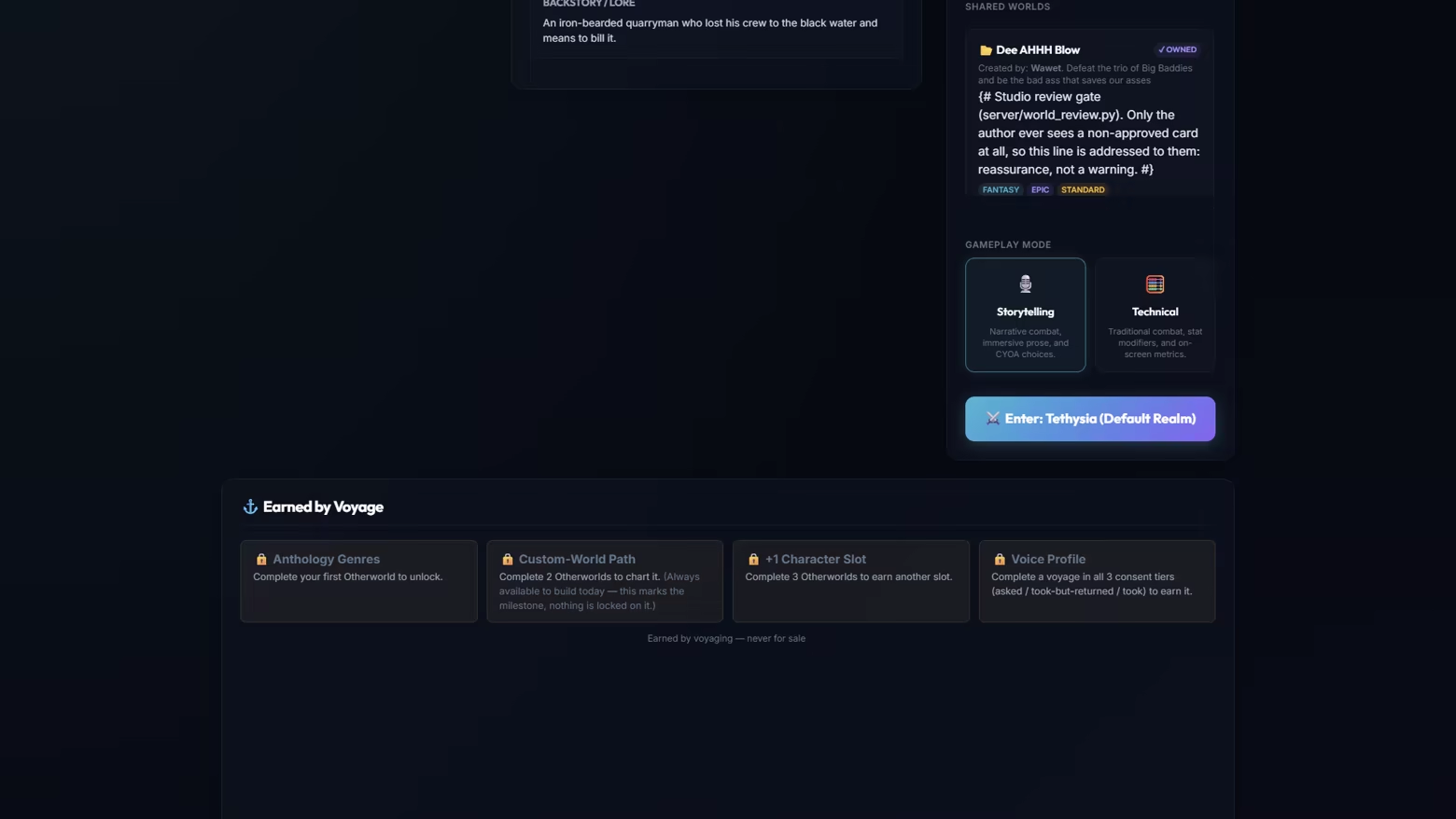
Player-made Otherworlds can use as much or as little AI as their author chooses, from 0% to 100%. Every shared world is labeled with how it was made, so you always know what you're stepping into before you step in. Human-crafted, AI-grown, or hybrid: the choice of what to sail is yours.

	The world builder: describing an island in plain language as rooms, peoples, and quests take shape.

The shared worlds shelf: player-made Otherworlds, each labeled with how it was authored.

Features

  • Anyone can play. If you can hold a conversation, you can finish a voyage
  • Say what you mean. Natural-language play, no commands to memorize
  • A painted world. A living map that unfogs as you explore, illustrated rooms, hand-approved art throughout
  • Cinematic, self-contained voyages. Full stories you can start and finish, with voiced cutscenes
  • RPG systems with teeth. Quests, combat, factions, curses, and consequential choices
  • Characters who remember. NPCs hold grudges, keep secrets, and pursue their own goals whether you're watching or not
  • Human-written, AI-told. Every word authored by a person; the AI adapts it to your story
  • Your AI, your rules. Our servers, your API key, your own machine, or a host you trust
  • Every screen in the house. Phone, tablet, and TV join your PC with a QR-code glance
  • Build and share islands. Create your own worlds and sail ones made by others

The tide is going out. Wishlist IMMRAMA, play the demo, and see how far one voyage can take you.

AI Generated Content Disclosure

The developers describe how their game uses AI Generated Content like this:

IMMRAMA is built on a foundation of human creativity. Every word of the game's narrative was written by a person, and every piece of art was reviewed and approved by hand before it shipped. The illustrations were produced by an artist working in Adobe Creative Cloud with an AI-assisted pipeline, then finished and curated by hand, image by image.

On hardware that meets our recommended spec, the game runs its language model on your own machine and plays offline. On lower-spec systems the same work runs over the network instead: on our servers, with your own API key, or on a host you run yourself. You choose which.

The base game pairs a small local language model with Retrieval-Augmented Generation. The model does not write the story. It acts as a context-aware fill-in-the-blank engine over content that was already authored. During dialogue, the engine retrieves a human-written response from a pool of a hundred or more per character, and the local model adapts it to name your character, reflect your condition, and match how you phrased the question. In combat, pre-written action descriptions are updated to reflect your equipped weapon, your enemy, and current health.

The optional Sandbox World Generation Wizard is where players decide for themselves. You can build a world with your own writing and your own art, or bring in generative AI at whatever level you choose. Those tools can run entirely on your own hardware, or connect to external cloud APIs (Bring Your Own Key, or optional credits) to use Gemini or Claude endpoints.

Every generative path is bound by hardcoded prompt construction, local deterministic blocklists, trajectory tracking that resists multi-turn jailbreak attempts, and real-time safety classification.

Shared worlds carry a label describing how they were made: original writing and imagery, AI used to edit the author's own work, or AI used to complete the world. You see that label before you choose a world to sail.

Mature Content Description

The developers describe the content like this:

IMMRAMA: Voyages of the Otherworlds features illustrative artwork, character portraits, and descriptive written text detailing fantasy combat encounters, supernatural peril, and character deaths resulting from text-based choices. The game contains no graphic visual representations of blood or gore, explicit sexual content, or depictions of real-world self-harm and substance abuse.

System Requirements

    Minimum:
    • Requires a 64-bit processor and operating system
    • OS: Windows 10 (64-bit)
    • Processor: Dual-core x64, 2.0 GHz (Intel Core i3 / AMD Ryzen 3 or equivalent)
    • Memory: 4096 MB RAM
    • Graphics: Integrated graphics with WebGL 2.0 support (Intel HD 4000 or newer)
    • Network: Broadband Internet connection
    • Storage: 2 GB available space
    • Sound Card: Any (optional — voice/TTS is streamed)
    • Additional Notes: On minimum spec the on-device model does not run, so the AI runs over the network instead: on our servers, with your own API key, or on a host you run. An internet connection is required in that configuration.
    Recommended:
    • Requires a 64-bit processor and operating system
    • OS: Windows 11 (64-bit)
    • Processor: Quad-core x64, 2.5 GHz (Intel Core i5 / AMD Ryzen 5 or equivalent)
    • Memory: 8192 MB RAM
    • Graphics: Dedicated GPU, or for optional on-device AI: GPU with 6 GB+ VRAM
    • Network: Broadband Internet connection
    • Storage: 4 GB available space
    • Sound Card: Any
    • Additional Notes: With 16 GB RAM and a GPU with 6 GB+ VRAM, the on-device model runs locally and play is offline-capable. Below that, the AI runs over the network (our servers, your own API key, or your own host), so the game stays fully playable on minimum spec.
Review Filters