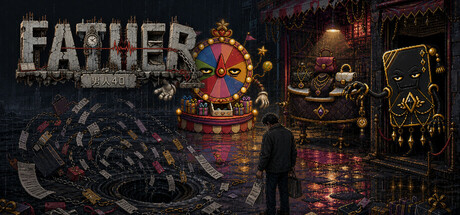


A pixel-art roguelite strategy game and middle-aged man suffering simulator. In most games, higher levels make you stronger. Here, higher age makes life more dangerous. Survive after 40 through debt, illness, family bills, work pressure, temptation, and attitude-based battles.

Sign in to add this item to your wishlist, follow it, or mark it as ignored

English language not supported

This product does not have support for your local language. Please review the supported language list below before purchasing

This game is not yet available on Steam

Coming soon

Interested?
Add to your wishlist and get notified when it becomes available.
 

About This Game

The cake is still warm. The accounting has already begun

FATHER: 男人40 is a top-down pixel-art life-survival RPG about everything that has already taken shape by the time a man turns forty.

You are not eighteen. There is no clean slate waiting at character creation. Marriage, children, property, debt, aging parents, and an unreliable body are already seated at the table. The candles go out. The phone stays lit. Before the birthday wishes are over, the bills, medical reports, and missed calls have formed a queue.

You cannot reroll the past. What you do next is still yours.

Accept the life already in progress

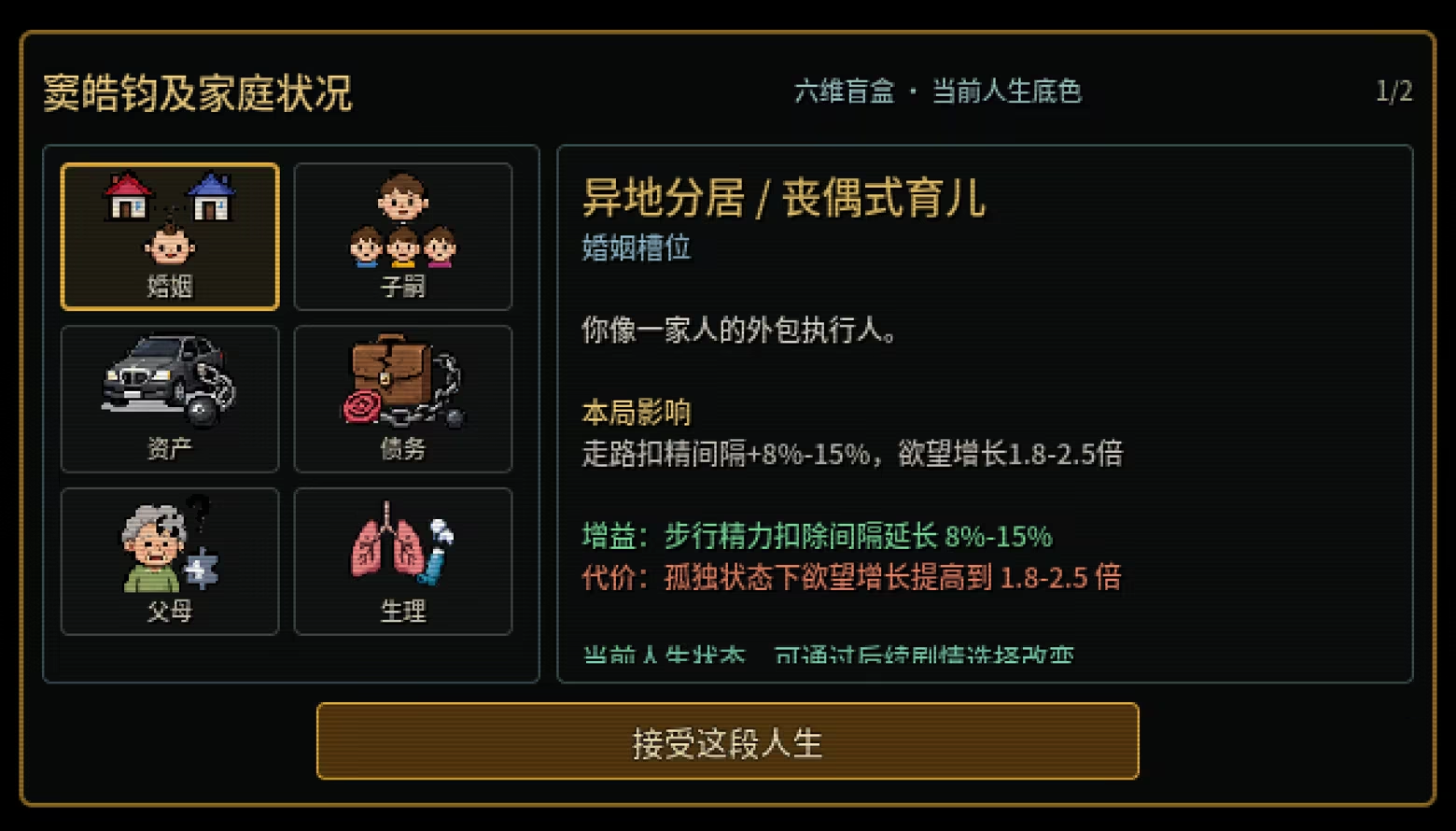
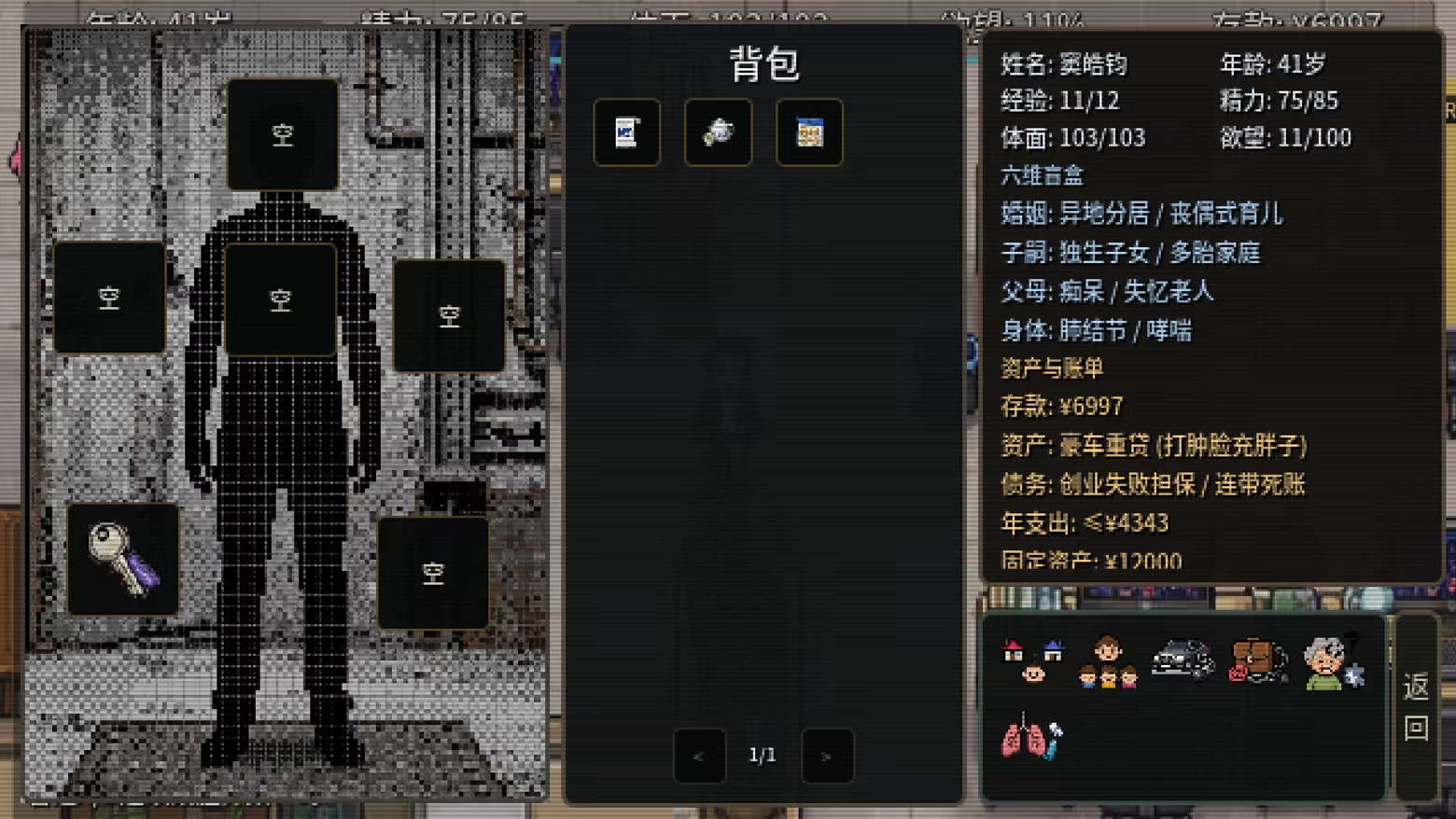
At the beginning of each run, six life traits define what the previous forty years have left behind:

  • Marriage: someone who may share the load, or wait for an explanation.

  • Children: affection, expense, guilt, and the occasional comfort that arrives late.

  • Property: a home, a mortgage, an old house, and things that only appear to belong to you.

  • Debt: due dates, interest, credit, and increasingly polite reminders.

  • Parents: care, phone calls, pill boxes, and a number that may one day stop answering.

  • Health: stamina, old conditions, aging, and every year your body kept on file.

These traits cannot be rerolled at the start, but story decisions can change them over time. If a previous life left something behind, choose one heirloom to carry into the next run. It may not save you. It may make one old bill arrive a little later.

Eight maps. One life that refuses to stay in the background.

Explore a residential district, a school, an office, the CBD, a hospital, a night market, a bathhouse, and your hometown. Each map carries its own pressures, temptations, stories, goods, and hazards.

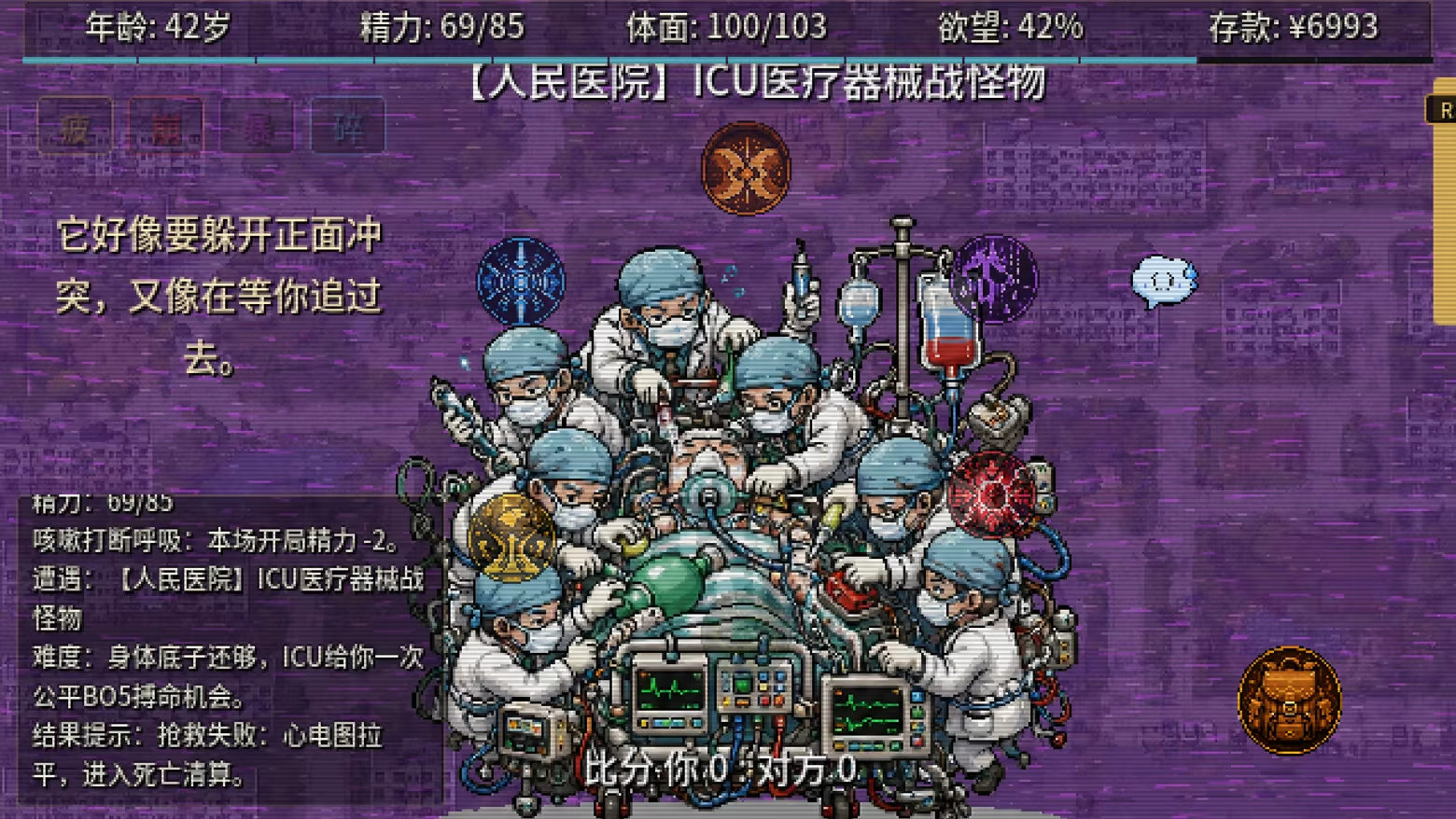
Work and social pressure become Class A monsters. Purchases and desire become Class B temptations. Gambling monsters offer every map a small chance to make things worse. Special encounters follow their own rules. Once debt breaks through the floor, collectors begin to chase you in person. A traffic accident can send you into an ICU battle, while five-year life exams and late-game bosses reopen the accounts you thought were settled.

Six ways to respond. No universal answer.

Dig in. Reason. Hold it together. Plead. Indulge. Compromise.

These six actions form the counter cycle behind ordinary battles, and each one spends something different: energy, dignity, desire, or savings. The game does not highlight a correct button. Read the monster's wording, pauses, and attitude, then decide how to answer. Read it well and the cost may ease. Misread the room and the same sentence cuts deeper.

Ordinary Class A and B battles share this readable counter system. Story enemies, special monsters, the ICU, debt collectors, life exams, and final bosses keep their own rules. Life rarely gives the same test twice.

365 events, without a moral answer key

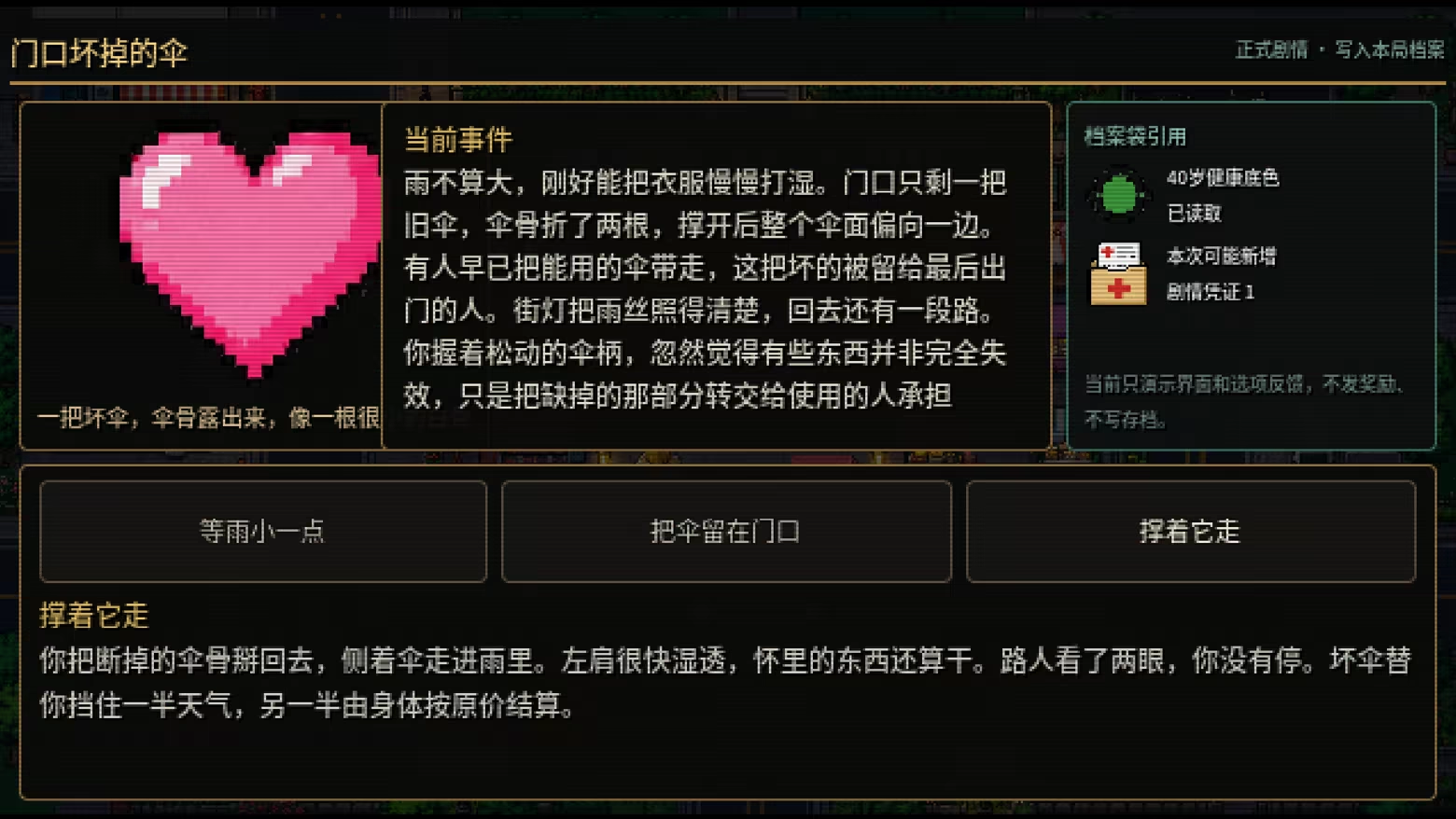
The runtime story database contains 365 events across work, relationships, children, parents, health, debt, property, hometown ties, holidays, and old age. Ordinary events appear on the map. Major life events find you according to your age and the life you have actually lived.

Choices are not arranged as good, neutral, and bad. One decision may protect a relationship while emptying your account. Another may preserve evidence but only teach the next notice to use a different envelope. Responsibility does not guarantee a reward. Avoidance does not guarantee immediate punishment. The world does not grade your intentions. It records the result.

Story outcomes alter resources, items, equipment, life traits, and future events. Once a decision is settled, the game autosaves. Words already spoken cannot be taken back by reloading.

Age is not a level. It is time being spent.

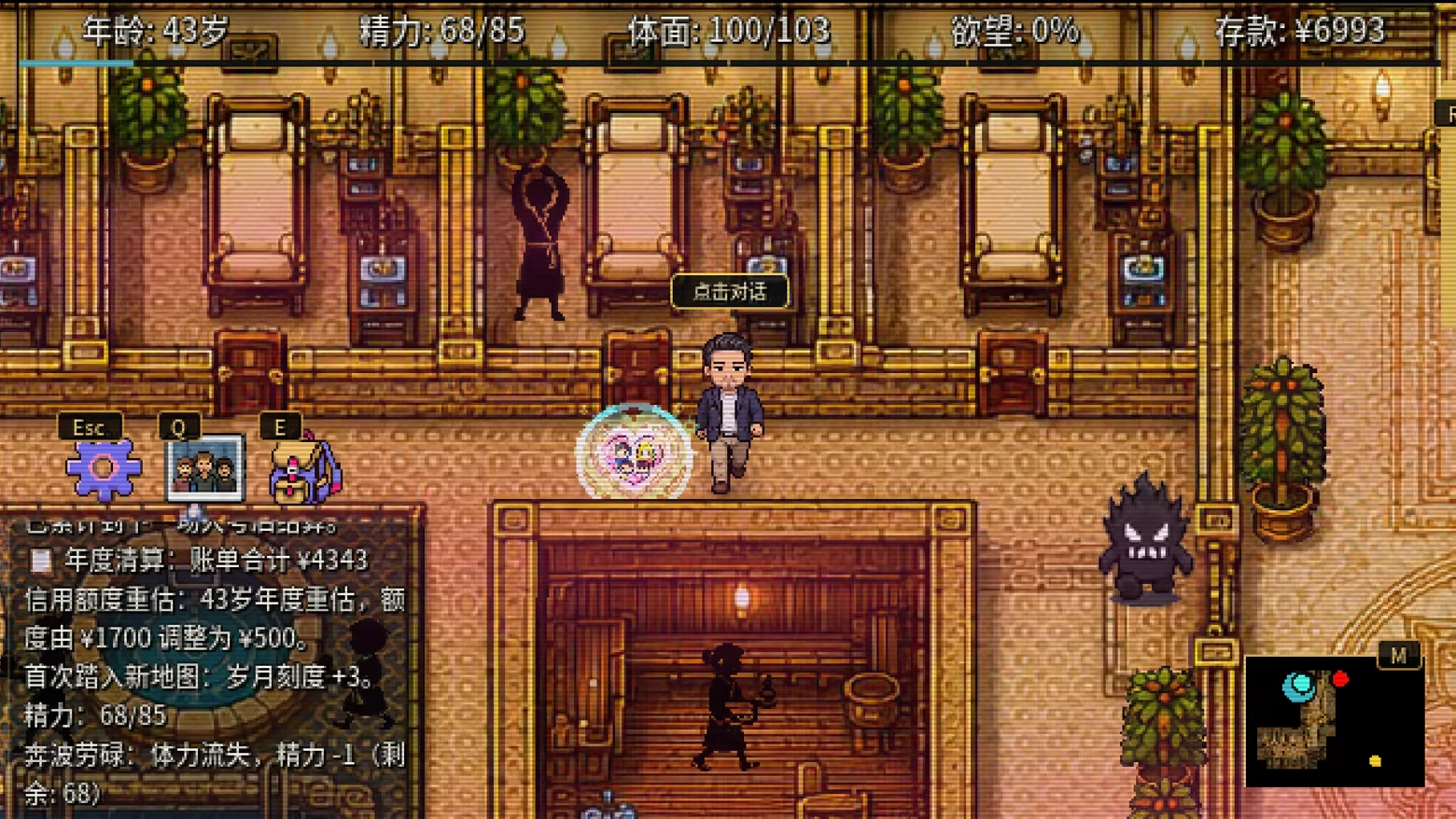
Walking, fighting, and enduring daily life all move the years forward. Growing older opens new story windows, annual settlements, and life exams. It also changes your body, your income, and the price of a mistake.

Run out of energy and you may enter the ICU. Lose your dignity and every step becomes harder. Let desire climb too high and even reading an enemy becomes unreliable. Cross the debt limit and the rules of the map change around you. Money solves some problems. It cannot absorb every consequence.

Death is more than a Game Over screen

Your Life Archive records the events you faced, the choices you made, the documents you kept, and the chances you missed. The final settlement does not merely count wins and losses. It reads how you spent, whom you cared for, when you held on, and when you finally let go.

Childhood memories and parts of the archive persist across runs. Heirlooms allow the next life to begin with something left by the last one. You may not beat life cleanly, but every choice changes the name printed on the final account.

Features

  • A pixel-art life-survival RPG beginning at age forty

  • Six dynamic life traits covering marriage, children, property, debt, parents, and health

  • Eight themed maps with separate systems for ordinary enemies, temptations, gambling, special encounters, story battles, debt collectors, and life exams

  • A six-action combat system built around energy, dignity, desire, and savings

  • 365 story events that read your age, location, life traits, and previous decisions

  • Annual settlements, dynamic credit limits, debt collapse, asset liquidation, and ICU rescue battles

  • A Life Archive, final settlement, childhood memories, inherited relics, and autosaving decisions

  • Dark humor, social pressure, and surreal monsters in a bleak pixel-art world

Mature Content Description

The developers describe the content like this:

This game is a pixel-art strategy game about the pressures of male middle age after 40. It contains mature real-life themes.

The game may include debt pressure, debt collection, workplace stress, family conflict, health crises, medical anxiety, consumer temptation, gambling or lottery-like implications, alcohol, nightlife venues, cheap addictive pleasures, and emotional breakdowns. Some story events and monster designs present the difficulties of middle-aged life in an exaggerated, satirical, or absurd way.

The game is not focused on sexual content and does not contain explicit sexual acts. It may include suggestive references related to desire, consumption, nightlife, or adult venues, but these are mainly used to express themes of life pressure and temptation.

The game is not focused on graphic violence. Combat is mainly presented through pixel-art, symbolic psychological conflict, and exaggerated monsters. It may contain mild violence, oppressive imagery, hospital or illness-related themes, and emotionally heavy subject matter.

Because this game deals with adult themes such as debt, illness, addiction, family pressure, psychological stress, and midlife crisis, it is intended for adult players and is not recommended for minors.

System Requirements

    Minimum:
    • OS:
    • Processor:
    • Memory: 4 GB RAM
    • Graphics:
There are no reviews for this product

You can write your own review for this product to share your experience with the community. Use the area above the purchase buttons on this page to write your review.

Review Filters