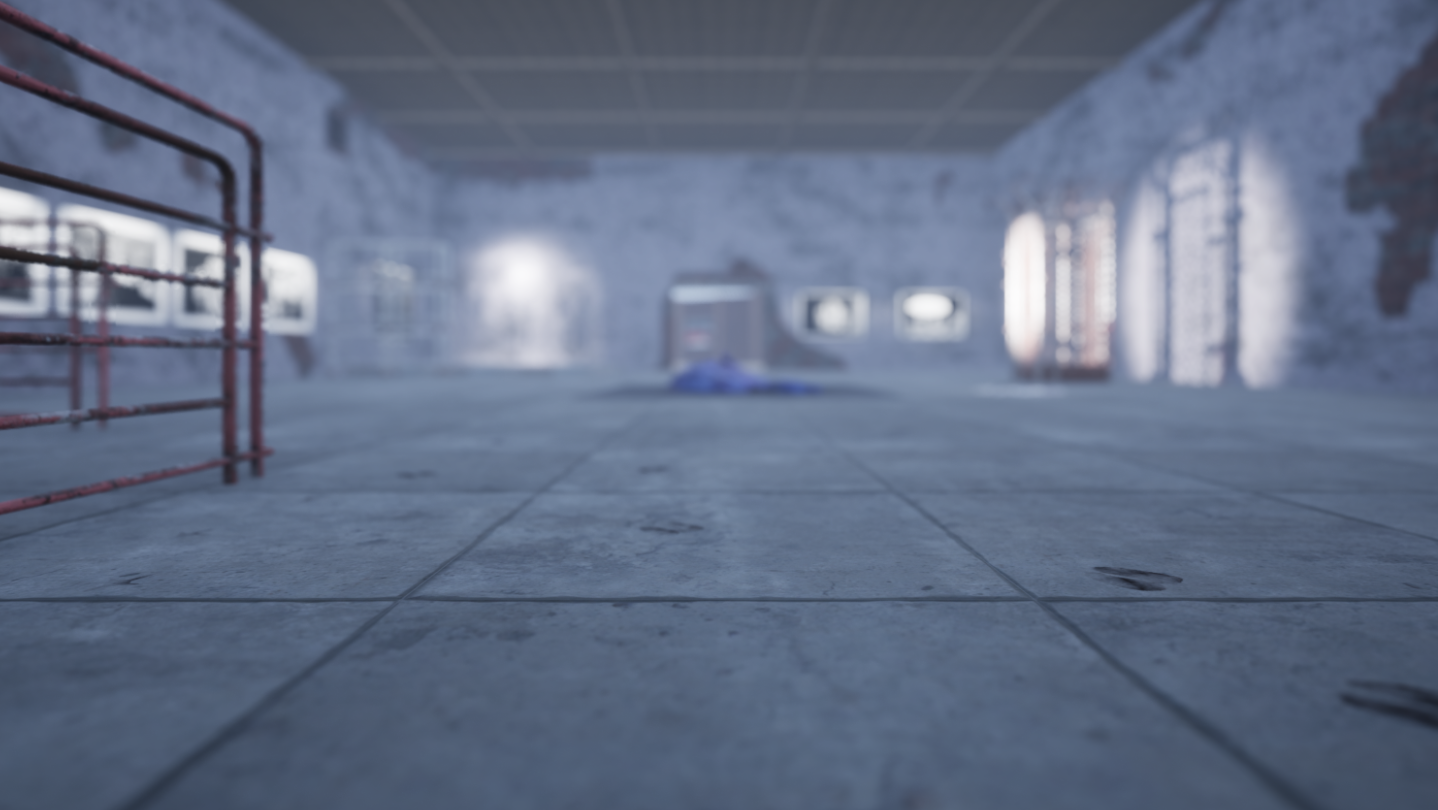


Animal Gaze is a digital and VR-friendly speculative archive exhibition based on the original story of the non-virtual exhibition of the same name held in Istanbul, Türkiye, in 2023.

Sign in to add this item to your wishlist, follow it, or mark it as ignored

This game is not yet available on Steam

Coming soon

Interested?
Add to your wishlist and get notified when it becomes available.
Add to your wishlist
 

About This Game

Animal Gaze on XR: A speculative archive exhibition


Animal Gaze is a digital and VR-friendly speculative archive exhibition based on the original story of the non-virtual exhibition of the same name held in Istanbul, Türkiye, in 2023. It contains multimedia artworks (some digitalized from physical art, some created digitally) by eleven participating artists from Türkiye, Canada and Germany. This collaboration between the Animal Gaze Project (AGP) and on-XR follows the same background story and conceptual limitations that shaped the initial project.

The idea for the exhibition emerged from the imagination of a trial titled “Crimes Against Animals,” resulting in a speculative future where non-human animals are no longer treated as “natural resources” at the service of human beings for clothing, food, furniture, entertainment, cosmetics or medicine. In this future, the history of animal exploitation has become a thing of the past. The setting is a former slaughterhouse repurposed as a permanent exhibition space; the goal is to install an archival exhibition specifically for the animals of the future. Meanwhile, the human audience of today participates indirectly in this future confrontation, looking at what animals from the future have come to see and witnessing what their ancestors have been through. Each participating artist has created at least one piece intended to serve as a record for that future archive, creating an "exhibition within an exhibition."

This speculative encounter finds its inspiration in Jacques Derrida’s reflections in The Animal That Therefore I Am. In his famous encounter with a cat, Derrida recognizes that the cat looks at him as much as he looks at her, prompting a consideration of the animal gaze, an aspect largely ignored in the history of Western philosophy. Realizing that animals possess an outward gaze that we cannot fully know leads to a crucial branching chain of thought: animals are no longer objects to be looked at, but subjects with their own gaze. This recognition is perhaps the most vital step for the liberation of animals; it offers a direct contrast to the way living beings are traditionally treated as a “heap” or a “flock,” denoted by numbers and classified according to their utility, some named as “livestock.” In this context, Animal Gaze asks: What if animals looked at their history of exploitation in a future where they were liberated? What would happen if we confronted the animals reflecting on their own past at an exhibition, and what would it mean to look at ourselves through their eyes?

The interweaving of the present and the future through this shifting temporality raises urgent questions regarding the persistence of violence. Is this exploitation really a thing of the past, or is it still occurring the moment we step out the door? Are we carrying animal parts on our bodies right now, or trying to digest them in our stomachs? The artworks, while often appearing familiar, are intended to create an uncanny feeling within the context of an archive of exploitation. This sense of defamiliarization asks the audience to look at the “normal” from an entirely different perspective. In the context of this exhibition, the “animal gaze” does not intend to separate human beings by gathering the remaining animals under a single, monolithic category. Instead, it represents the encounter of the human animal’s gaze with the very thing the nonhuman animal’s gaze is directed at: the archive of their own exploitation. This is where all gazes, human and nonhuman, meet.

The exhibition’s spatial journey is a deliberate curatorial choice designed to foster a post-anthropocentric way of being and relating to fellow creatures, as opposed to human exceptionalism. The first room contains no artworks where the visitor can meet the gaze of an animal. Visitors are guided to encounter this space, imagining how a cow or chicken might feel walking in here. In this room, the visitors are exposed to the space without any animal looking back at them, asking them to go beyond the traditional logic of the gaze. It is only as one moves toward the final room that the animals are seen looking back. While most of us are accustomed to seeing animals, it takes a shift in perspective to acknowledge the individual gaze of the Other who looks back. This approach challenges us to consider whether our way of looking is anthropocentric or if we can recognize each animal as an individual. It asks if we can put ourselves in their paws, hooves or feet, and questions which animals we recognize as individuals in contrast to those we mention only in terms of numbers and body parts.


Because this is an exhibition for nonhuman animals, human language is avoided in the artworks and exhibition as a whole. The archive avoids graphic imagery; it is considered a matter of ethical responsibility and respect not to show a fellow creature the details of how their ancestors suffered and died. Instead, the artists have considered the affective experience of the animal looking at these records. Finally, the curation accounts for varying physicalities, ensuring that the height and placement of works allow for different kind of animals to be able to see and experience the artworks.


Animal Gaze is a place of encounter and confrontation where humans and the marginalized, objectified, mythologized nonhuman animals arrive from two different dimensions of time to meet.


System Requirements

    Minimum:
    • OS: 10
    Recommended:
    • OS: 11
There are no reviews for this product

You can write your own review for this product to share your experience with the community. Use the area above the purchase buttons on this page to write your review.