

Take charge of a Test nation and run it season after season. Pick your squads, award the contracts, appoint your captains — then manage the team ball by ball. Tours, World Cups and a Test Championship, while one generation retires under you and the next one comes through.

Sign in to add this item to your wishlist, follow it, or mark it as ignored

This game is not yet available on Steam

Coming soon

Interested?
Add to your wishlist and get notified when it becomes available.
 

About This Game

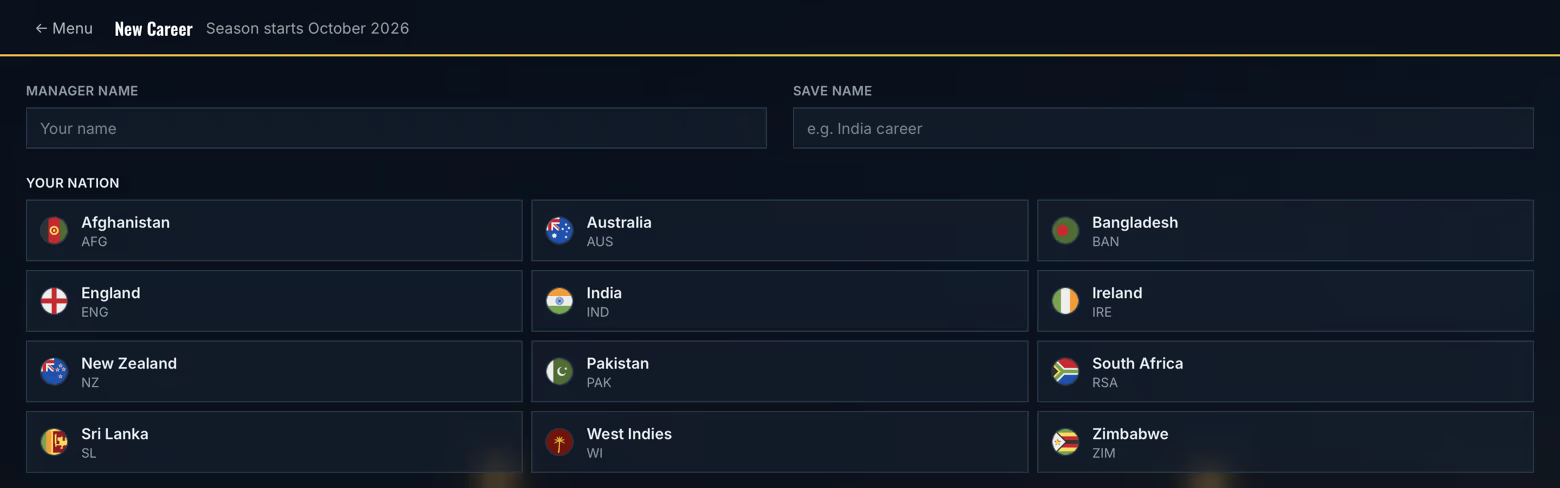
Pick a Test nation. You are in charge.

Pick the squad, hand out central contracts, choose your captains and decide who gets trained. Then take your team through tours, World Cups and the Test Championship — season after season.

Players get better. Players get injured. Players get old. Eventually, they retire. Your job is to have someone ready to replace them.

Cricket Team Manager is about building a national side that can last. The decisions you make this season can leave you with a very different team five years from now.

The match is ball by ball

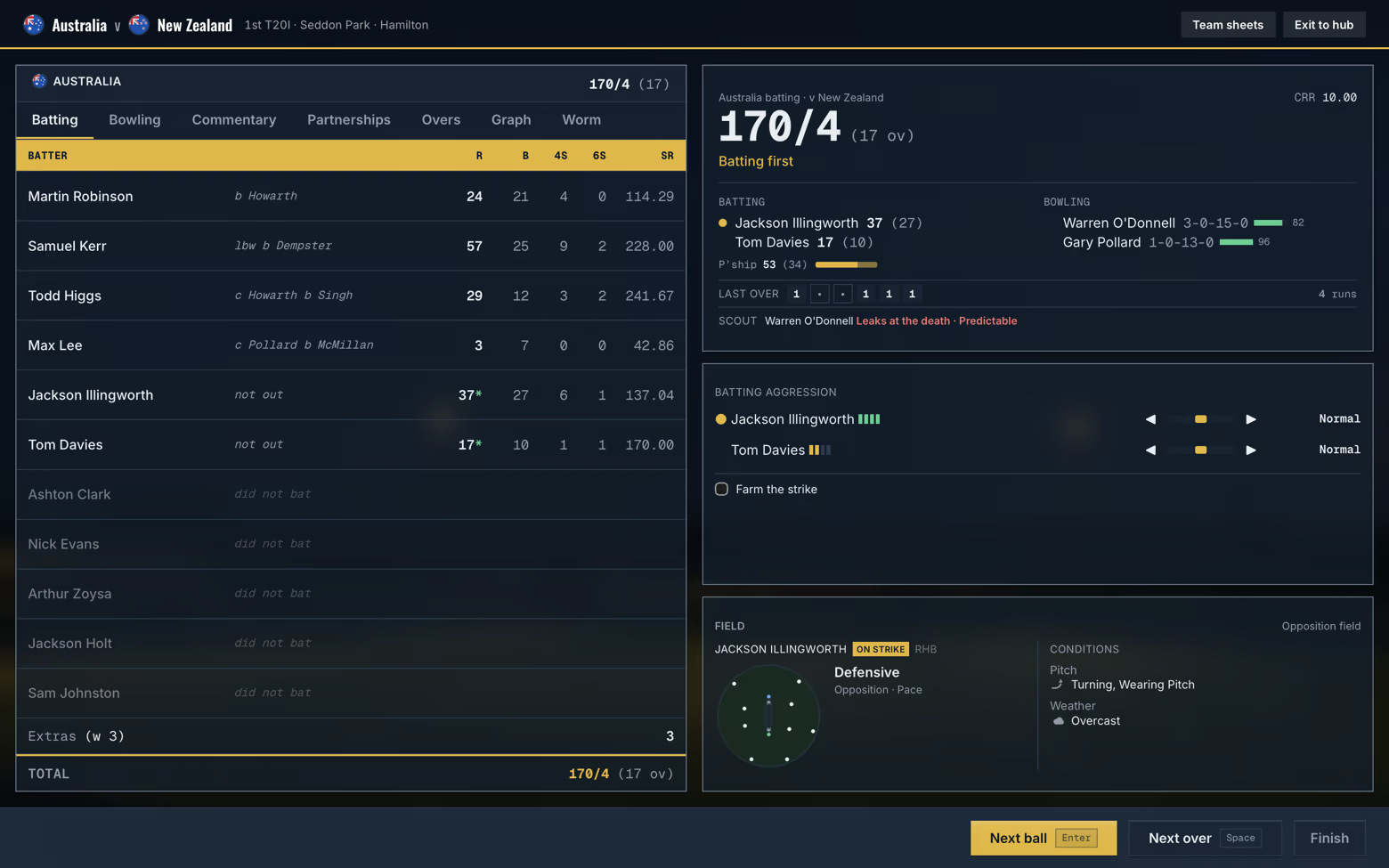
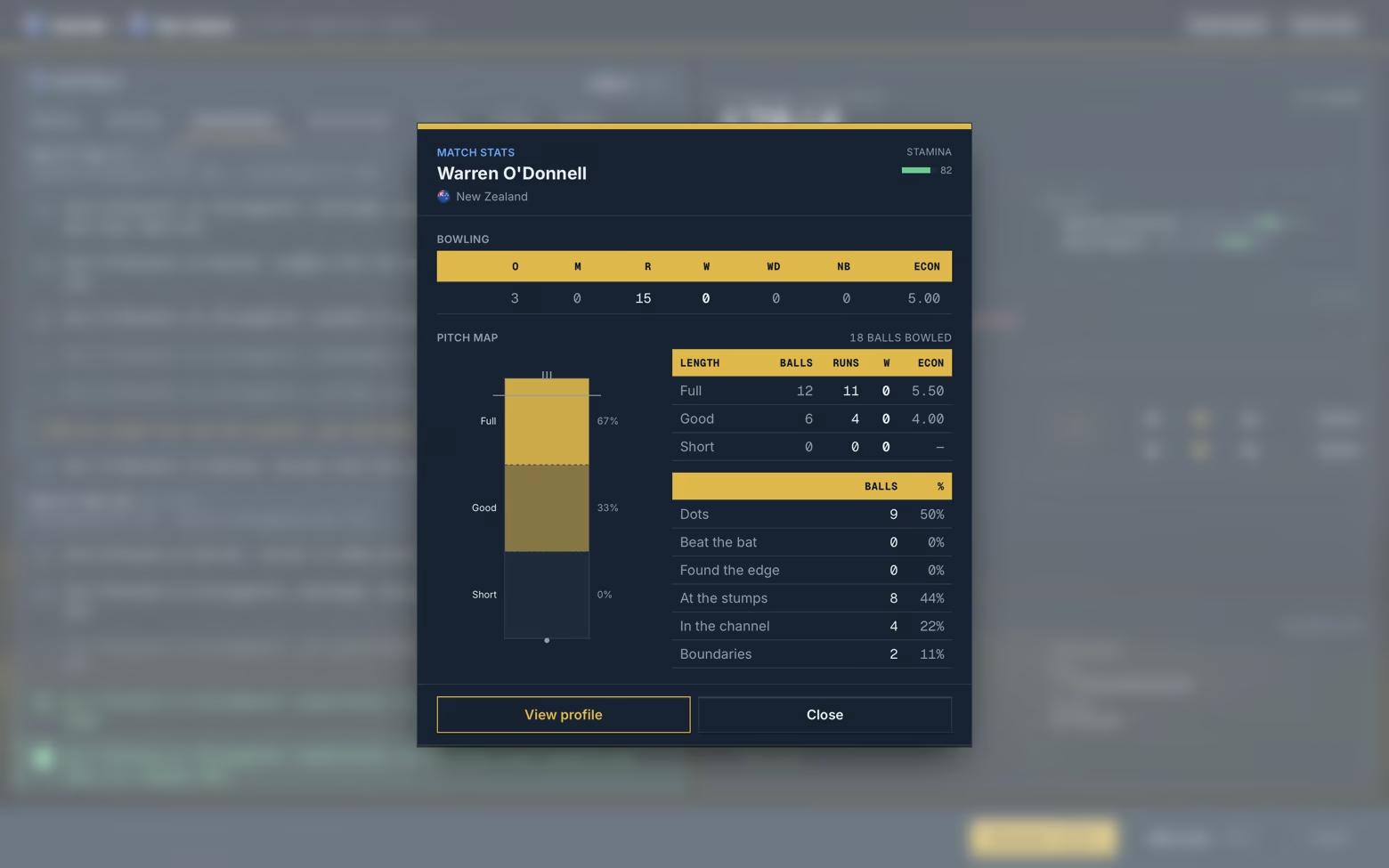
Matches are simulated one ball at a time. What happens comes down to the two players involved, the pitch, the weather and how old the ball is.

You decide how your team plays. Set the approach, change the bowler, move the field, declare, enforce the follow-on or take the new ball.

You can play the match yourself, or let the simulation run and check the scorecard afterwards. Either way, it is the same match.

Follow it through a live scorecard, ball-by-ball commentary, a field diagram and run-rate charts.

A proper international calendar

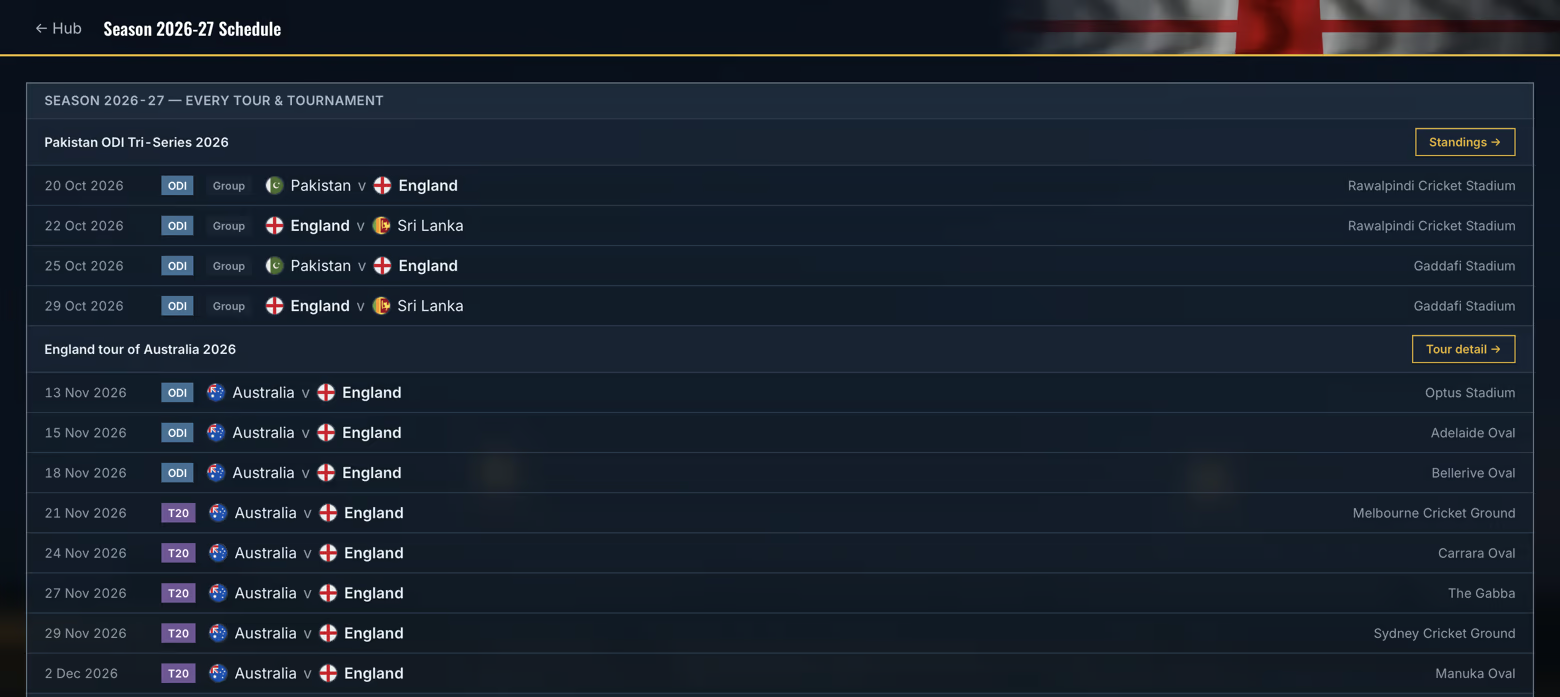
Start your career and your first season follows the real international calendar. The tours are the ones that are actually scheduled, at the grounds they are actually scheduled for.

After that, the calendar keeps moving — and what you do with your team changes what happens next.

* Home and away tours, with Test, ODI and T20 legs
* The Ashes and other multi-Test series
* A 50-over World Cup every four years, starting with 2027 in South Africa and Zimbabwe
* A 20-team World T20 every two years, starting with 2028 in Australia and New Zealand
* The Asia Cup each September, in either 50-over or T20 format
* A two-year Test Championship, with every Test on the calendar counting towards it
* Tri-series in some years
* World rankings in all three formats, using the ICC's points system

That Test in February that looked like just another series? It might be the one that decides whether you reach the Test Championship final.

Pick your XI

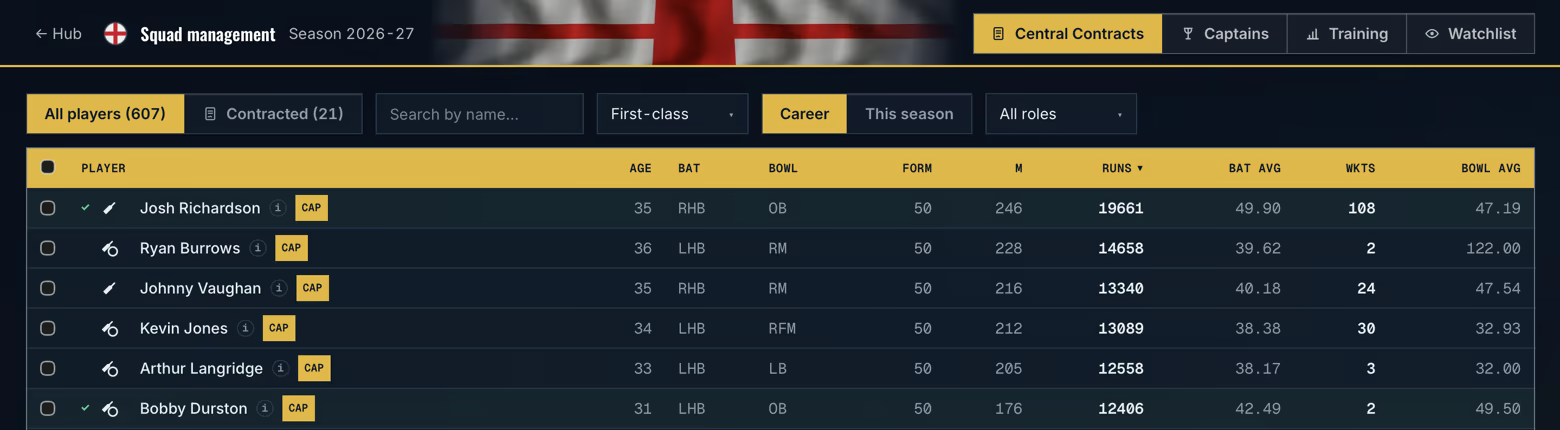
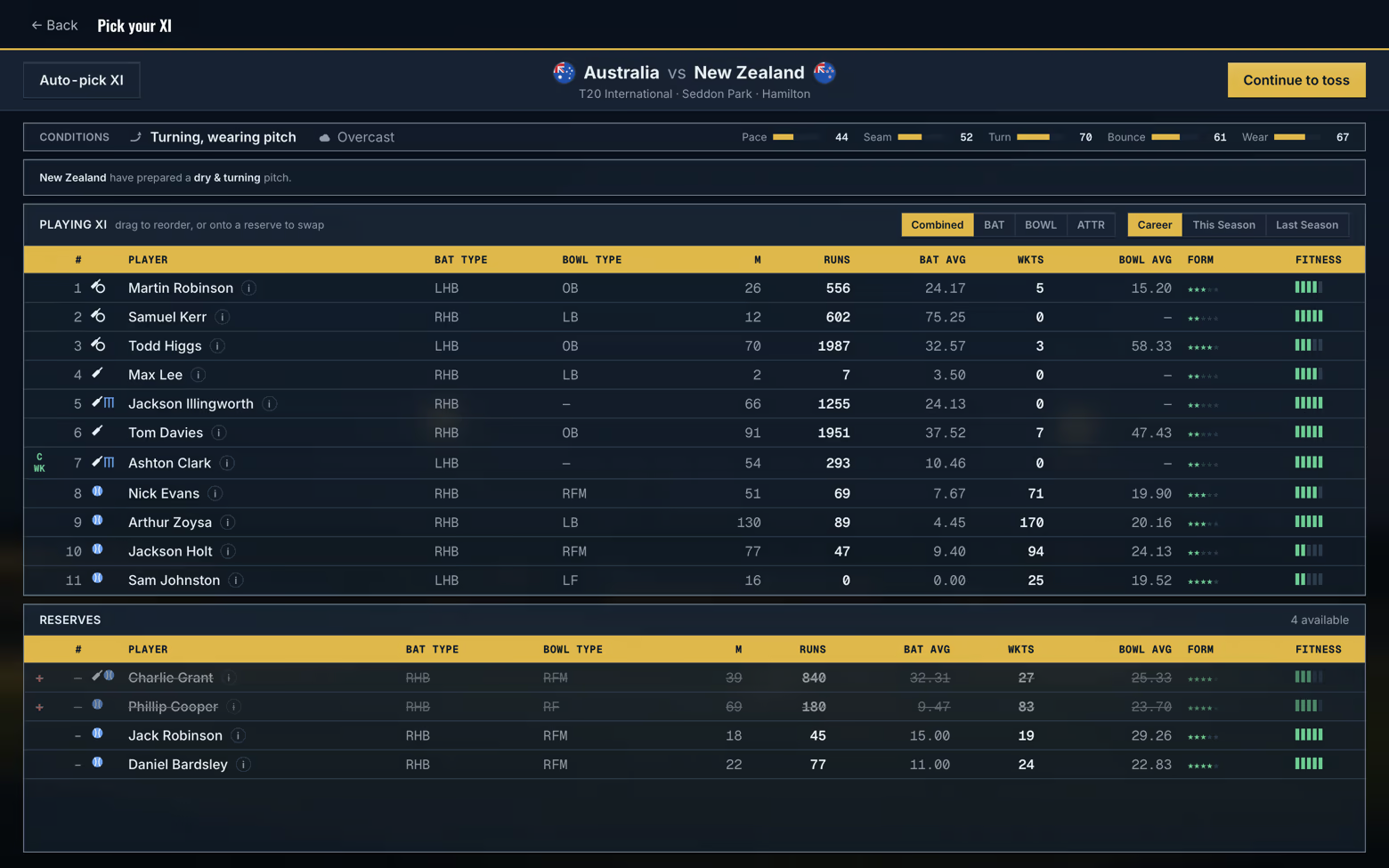
Name your squad before each series and it carries into the next one. When it is time to pick the XI, you have the full picture in front of you: matches, average, strike rate, wickets, form and fitness.

Look at a player's career if you want the bigger picture. Look at this season if you want to know who is actually playing well right now.

The XI you picked last time is still there when you come back, so you are usually tweaking the team rather than starting from scratch.

Get the balance wrong in the first Test and you might be going into the second one a bowler short.

Contracts, captains and coaching

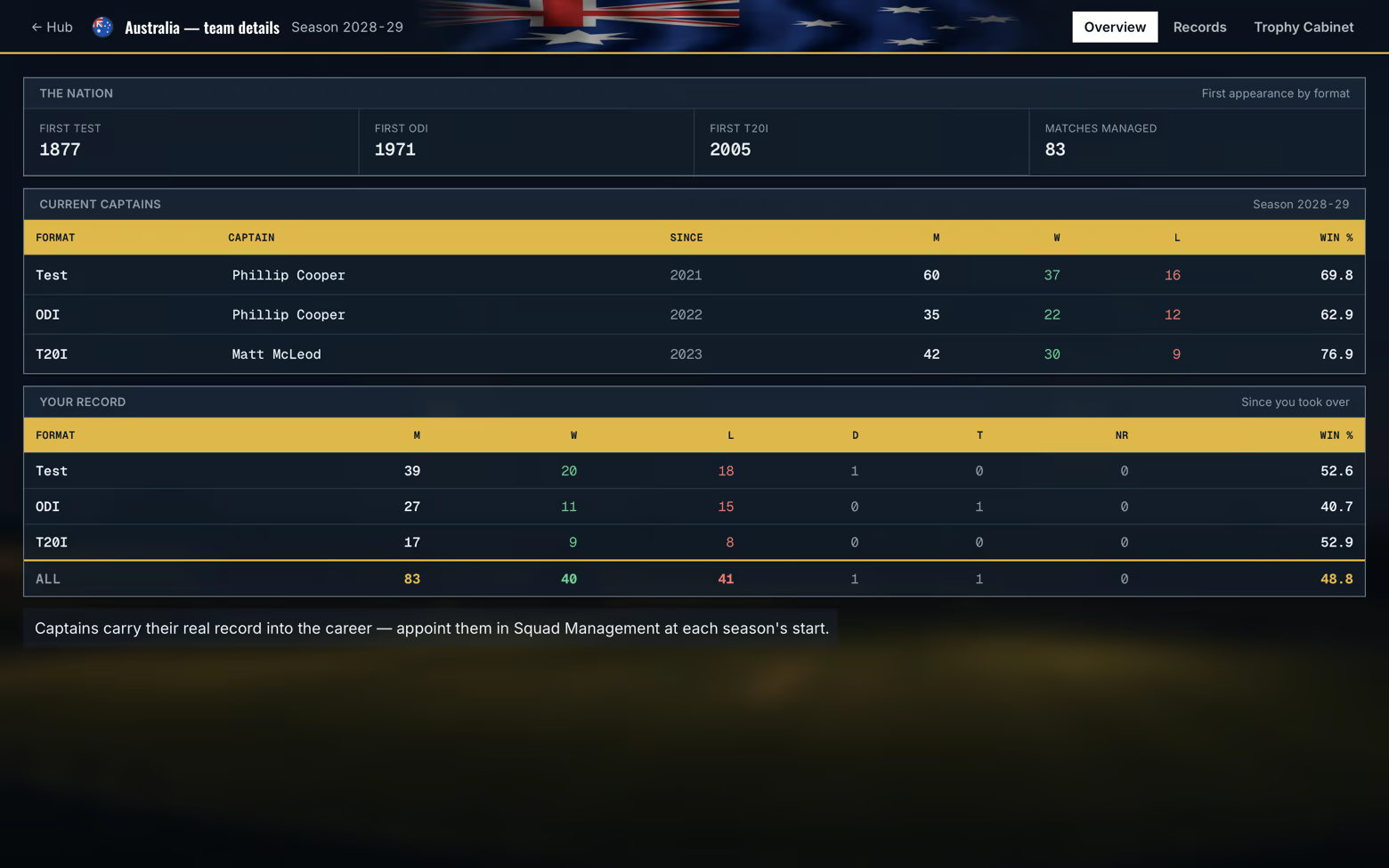
Every season you award central contracts to 20–30 players. You also name a captain in each format, and he has to be one of your contracted players.

The captaincy record stays with the nation. Matches, wins and losses are recorded by format, so when you take over from the previous manager, you are adding to an existing history rather than starting a new one.

You also have twelve training slots to work with. A player can have up to two, and you decide whether they work on batting or bowling.

Training happens gradually throughout the season rather than handing everyone a pile of improvement at the end. You can move the slots around whenever you like.

Every player has a ceiling.

There are never enough slots.

They get tired. They get injured.

Fitness drops when you use a player and comes back when he sits out. A Test takes far more out of a player than a T20, and a long spell of fast bowling takes the most of all.

A tired player bats worse, runs out of steam sooner with the ball and is more likely to get injured.

Injuries happen after matches. Some cost a few days. Others keep a player out for weeks or months. When someone goes down, you get a return date rather than just a generic injury rating.

You can rest a contracted player and get him back quicker, but he won't play any cricket while he is resting. His season's numbers stop right there.

Bowl your best quick through a five-Test summer and you might pay for it in March.

And it isn't just your players. Every nation plays by the same rules, so your rivals lose players too.

Nearly 5,000 players


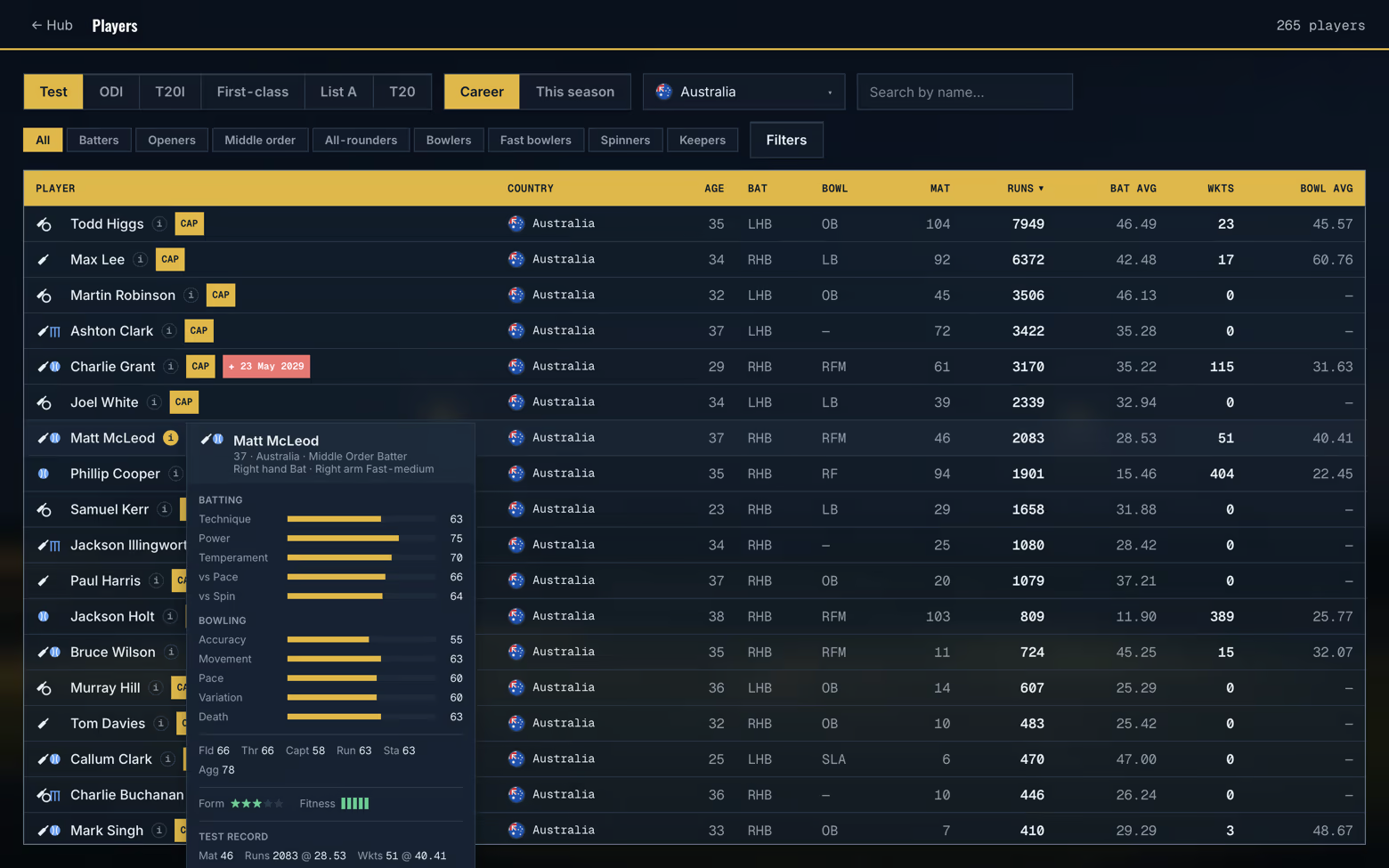
There are nearly 5,000 players in the database, from established internationals to domestic players you've probably never heard of.

They come with real career records across Test, ODI and T20I cricket, as well as the first-class, List A and T20 careers underneath them. They also have a real date of birth, batting hand and bowling style.

Domestic cricket keeps going in the background whether you're watching it or not.

An uncapped player can spend two seasons making hundreds and taking five-fors before you finally decide he's earned his chance.

Put him on the watchlist. Keep an eye on him.

You might have just found your next international.

Record books with history already in them


Your nation's record books aren't empty when you arrive.

The real all-time records are already there — highest and lowest totals, most runs, most wickets, most catches and more.

Your players are trying to beat them.

When they do, their names go into the record book.

They age, and then they go


Players don't stay at their peak forever.

They improve when they are young, reach their best years and eventually start to decline. It doesn't happen the same way for everyone.

A fast bowler can lose his pace surprisingly quickly. A batsman's eye might last for years longer than his legs.

Eventually, everyone retires.

That is when the players you've been developing start to matter.

Every nation brings new players through, and most of them are a clear step below the established internationals at first. Working out which ones are worth giving a cap to — and when to give it to them — is a big part of the job.

You aren't just picking the best team for Saturday.

You're trying to make sure there is still a good team five years from now.

Make the database yours

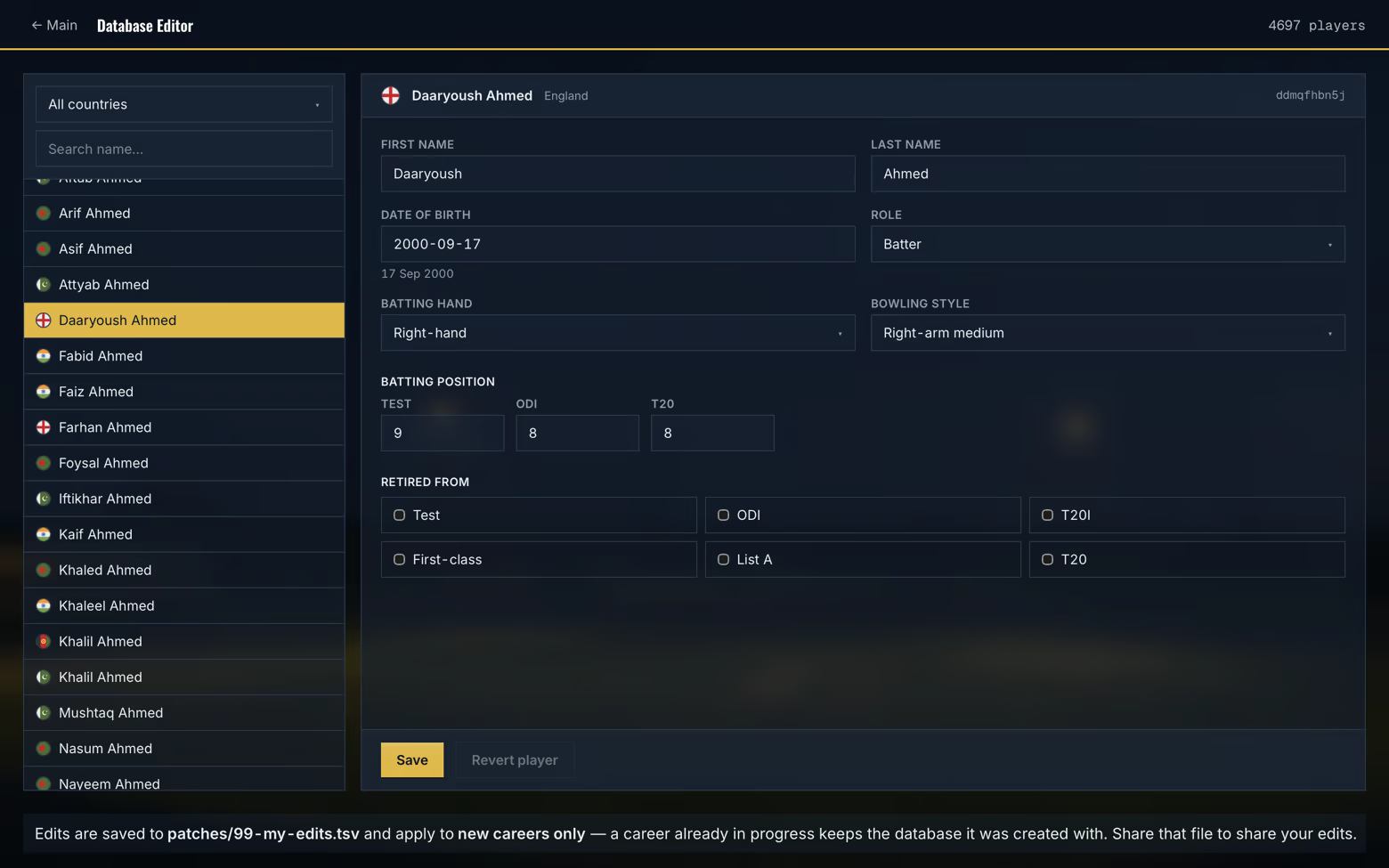
There is a database editor on the main menu.

Search for any player and change their name, date of birth, batting hand, bowling style, role, batting position or retirement status.

You can also share your changes with other players.

AI Generated Content Disclosure

The developers describe how their game uses AI Generated Content like this:

The shipped game uses no AI at runtime — it runs entirely offline. Some AI tools (like ChatGPT and Claud code) were used during the development of the game for research purposes, analysis (for example - player stats analysis) and reviewing. All game source code is human-written, human-reviewed and occasionally reviewed/tested by AI tools for efficiency.
Some of the steam artwork was developed using AI tools.

System Requirements

Windows
macOS
    Minimum:
    • Requires a 64-bit processor and operating system
    • OS: Windows 10 64-bit
    • Processor: Any x64
    • Memory: 4 GB RAM
    • Storage: 500 MB available space
    • Additional Notes: Requires Microsoft Edge WebView2 Runtime (included with Windows 10 and 11).
    Recommended:
    • Requires a 64-bit processor and operating system
    • OS: Windows 11
    • Memory: 8 GB RAM
    • Additional Notes: Requires Microsoft Edge WebView2 Runtime (included with Windows 10 and 11).
    Minimum:
    • OS: macOS 11 Big Sur
    • Processor: Apple Silicon or Intel
    • Memory: 4 GB RAM
    • Storage: 500 MB available space
    Recommended:
    • OS: macOS 13+
    • Processor: Apple Silicon
    • Memory: 8 GB RAM
Review Filters