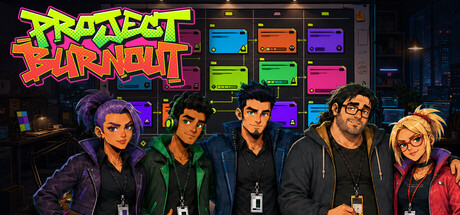

A turn-based management strategy game about leading a traveling fixer crew hired to rescue game studios in crisis. Plan the week, split dependent tasks across five disciplines, beat deadlines, and protect your crew from burnout.

Sign in to add this item to your wishlist, follow it, or mark it as ignored

This game is not yet available on Steam

Coming soon

Interested?
Add to your wishlist and get notified when it becomes available.
 

About This Game

When a game studio is in trouble, your crew gets the call.

Project Burnout is a turn-based management strategy game about a traveling fixer crew. Studios own the games. You arrive when their production plan is already slipping, take responsibility for the week, and help the team get work moving again.

Each engagement starts with a different mix of projects, deadlines, and missing capacity. Decide what must happen now, what can wait, and how much pressure the crew can carry before committing the plan.

Plan the week before the week hits back.

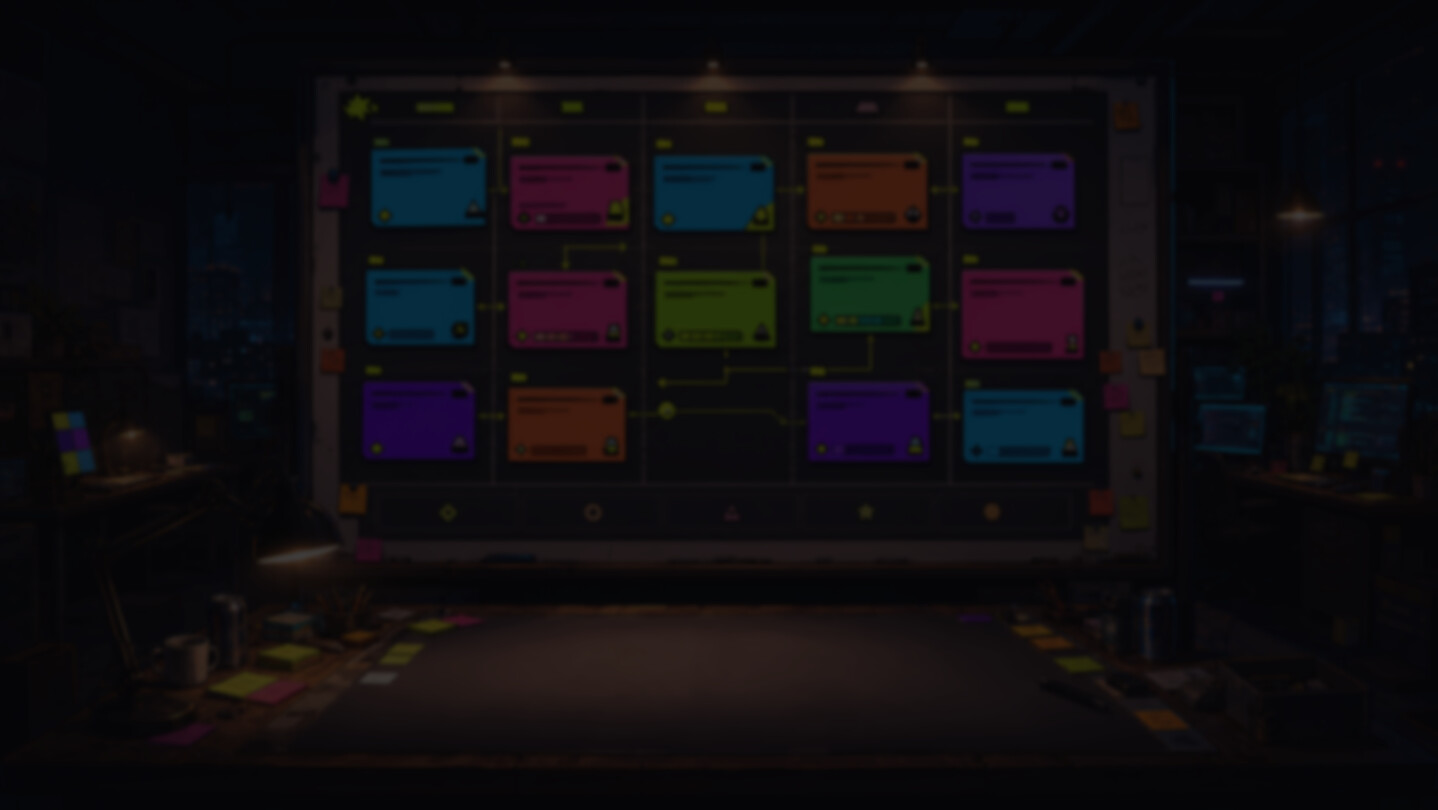
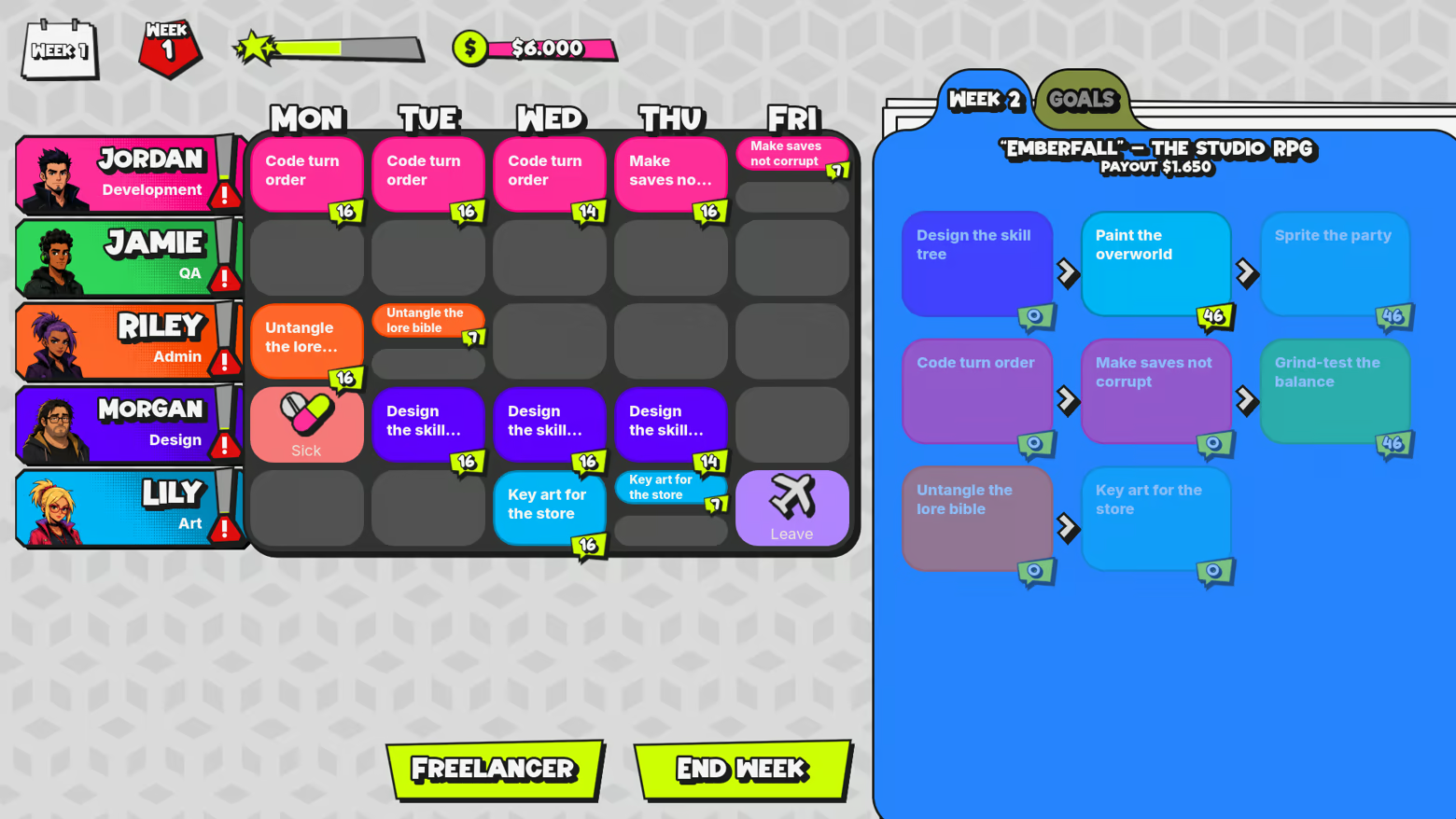
Every job unfolds on a Monday-to-Friday calendar. Projects break into development, design, QA, admin, and art tasks, and dependencies decide when later work can begin. A block that fits on Tuesday is useless if the task does not unlock until Wednesday.

Split work across days, move unfinished blocks, and rebuild the schedule as bottlenecks appear. Overtime can buy capacity, but it adds pressure to the same people you still need tomorrow.

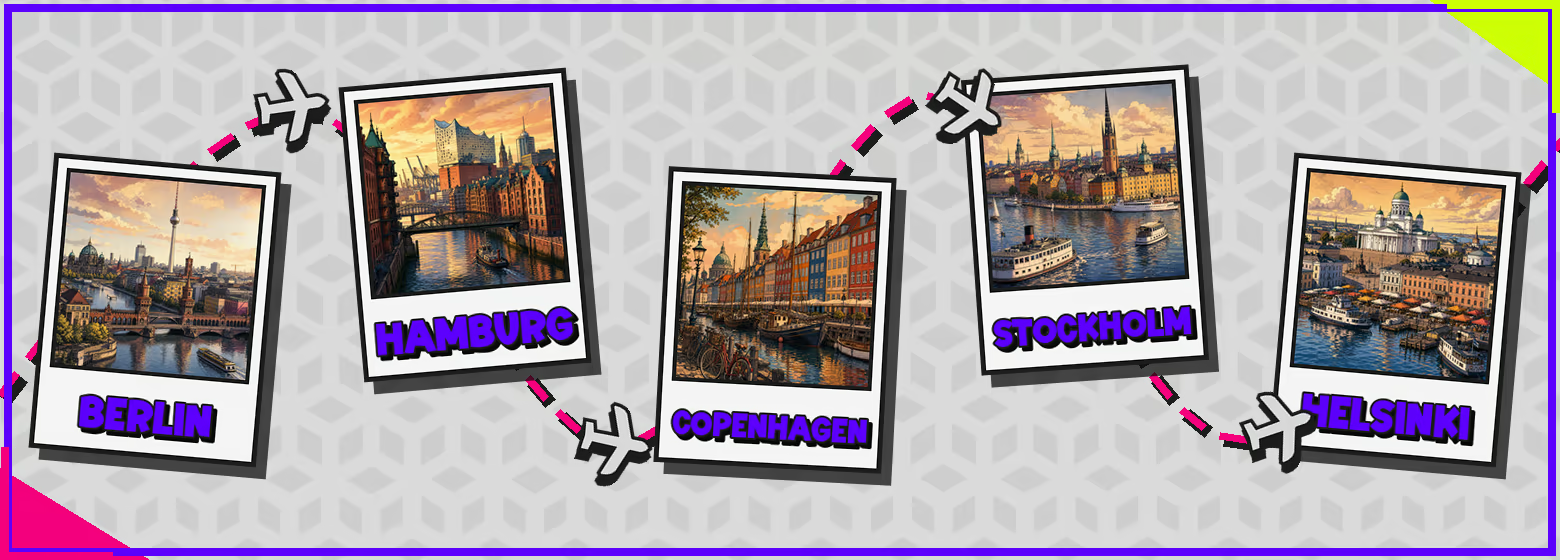
Your crew does not stay in one studio. New engagements bring a new client, a different production problem, and another deadline to understand before the first block is placed.

The roster grows until all five disciplines are represented. More specialists create more options, but payroll, availability, and competing work make every new option another decision.

Changing cities changes the problem. The job remains the same: read the production chain, find the true bottleneck, and turn a pile of dependent work into a week the crew can actually execute.

Projects arrive as chains rather than isolated jobs. Finishing an upstream task can open the rest of a day; placing downstream work too early only creates a plan that looks complete.

Drag, split, move, and rebuild until every important block has both a person and a legal day. When the plan still does not fit, choose what slips or spend overtime to make room.

A full calendar can still be the wrong plan. Who takes each block matters as much as where it fits.

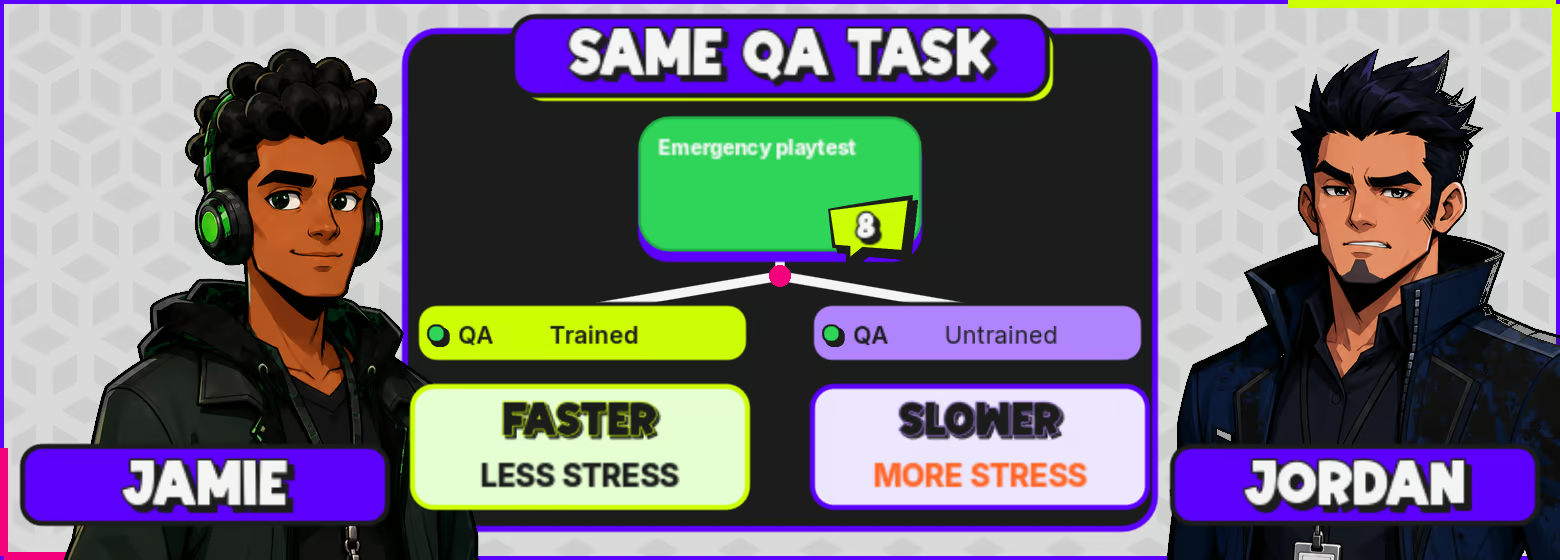
Trained hands finish matching work faster and carry the pressure better. An untrained specialist can still move the task, but the same result takes more time and creates more stress.

Your best specialist may be the best answer to two problems at once. Use them at the bottleneck that matters most, then decide where the crew can afford a slower match.

Those tradeoffs stay attached to people after the block lands. Today's shortcut can become tomorrow's missing capacity.

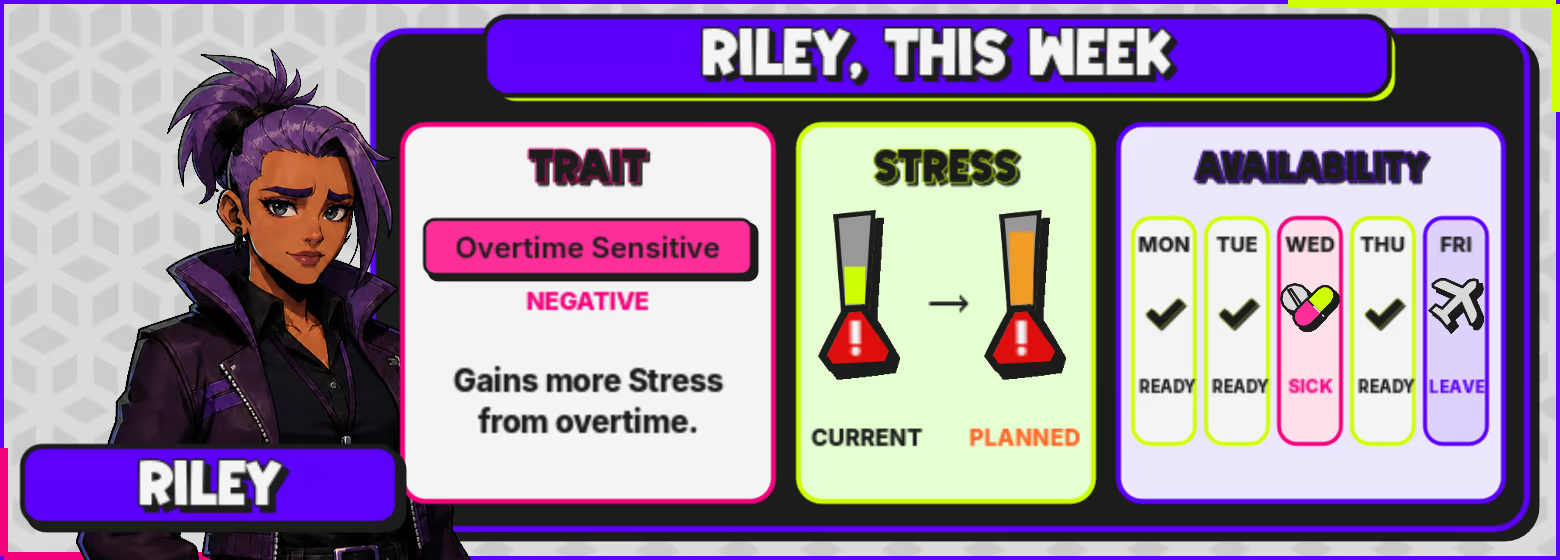
Stress follows people from week to week. Traits change how each specialist handles pressure, while sickness or planned leave can remove the capacity your schedule depended on.

Leave room to recover, use overtime selectively, and decide which deadline can absorb a delay. Protecting the crew is not separate from production planning. It is part of making the plan survive contact with the week.

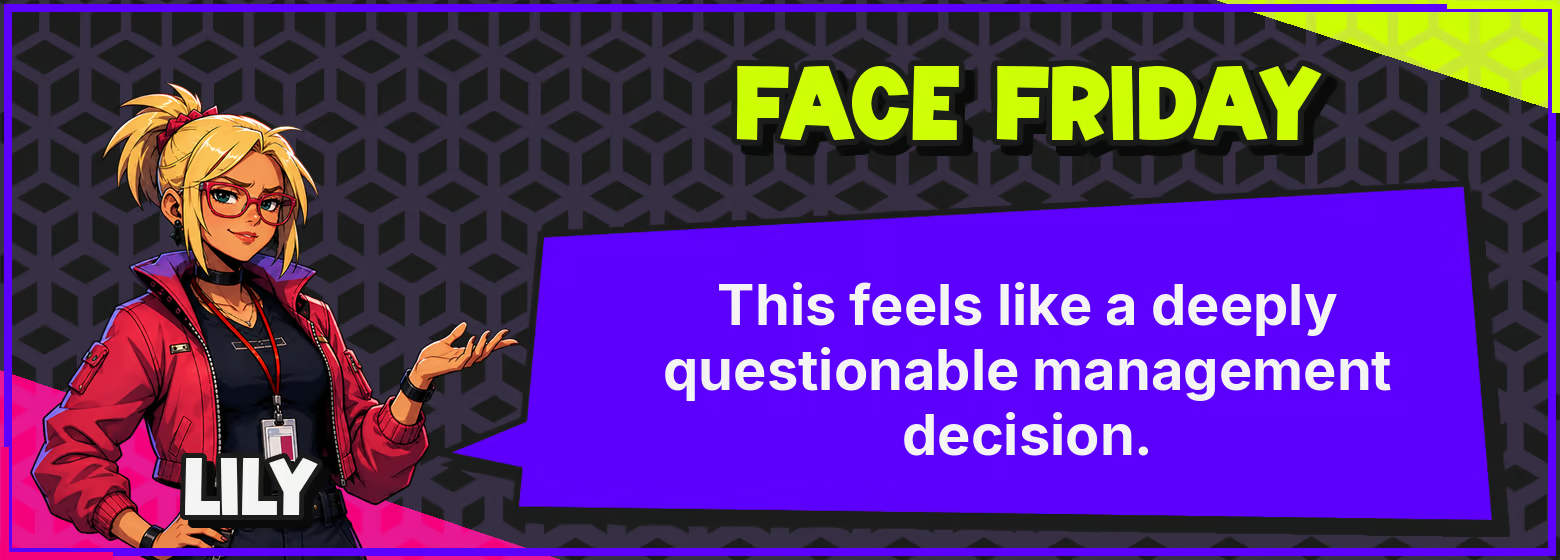
Friday is where the plan becomes a result. Once you end the week, the calendar resolves one day at a time and shows which work finished, which deadlines held, and what the crew had to absorb.

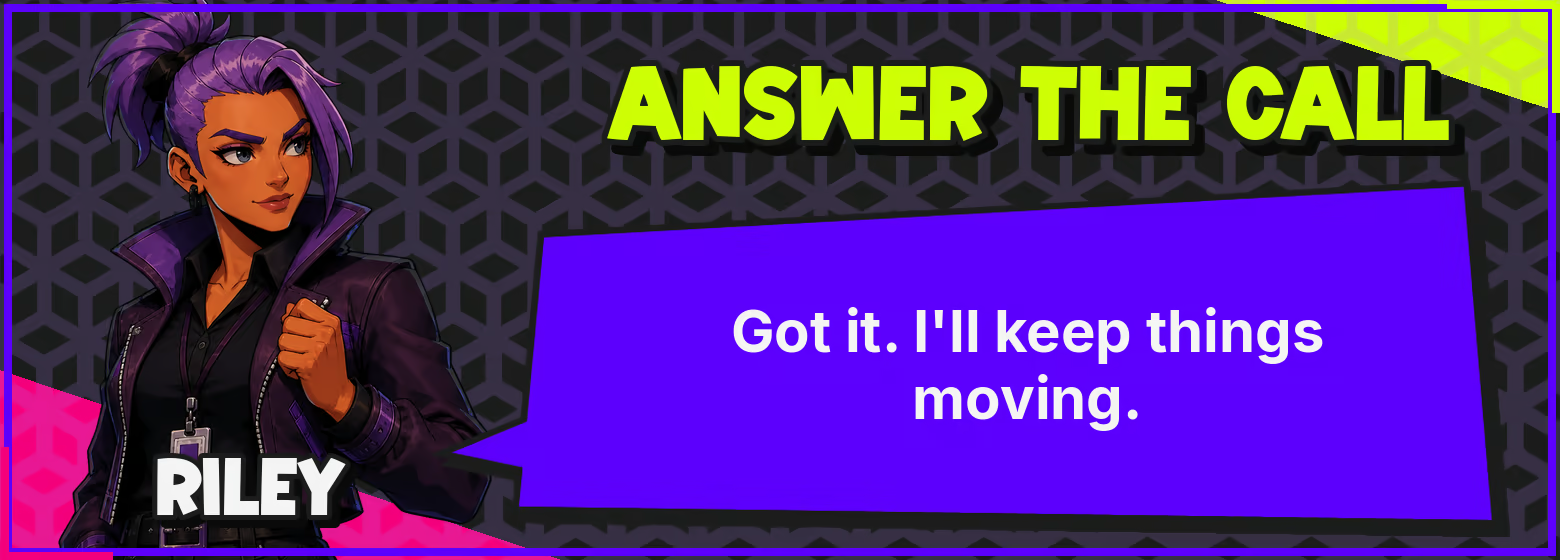
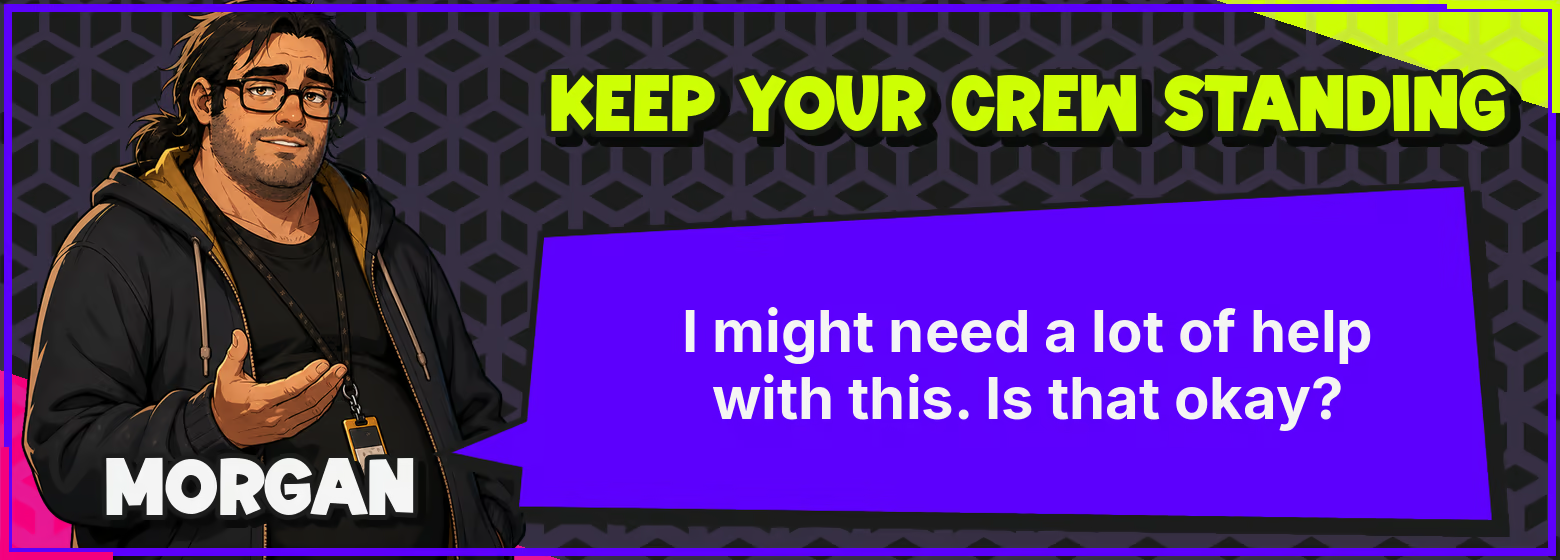
Employee problems and requests can interrupt the production rhythm with decisions only you can make. Your answer competes with the same money, time, and human limits as the project plan.

Then the calendar opens again. The results of the week become the starting conditions for the next set of choices.

The week ends Friday. The consequences don't.

Project Burnout is a strategy game about building plans under pressure, then living with what those plans ask of people.

  • Rescue multiple game studios in cities around the globe.

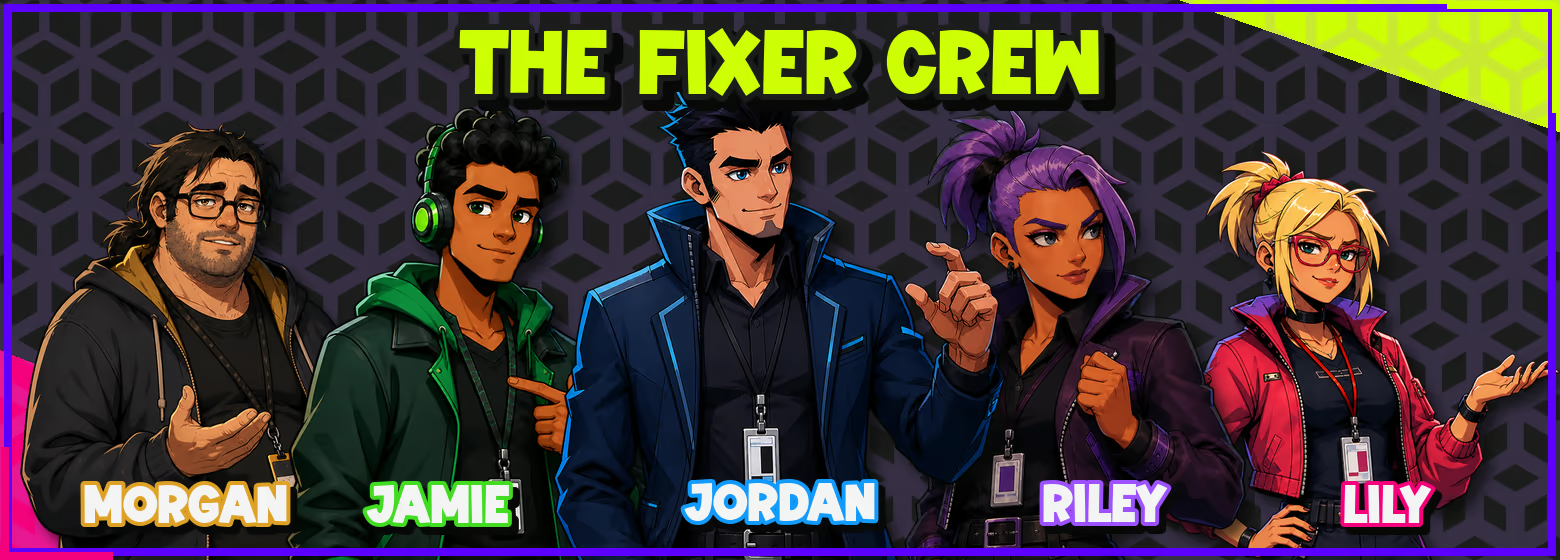
  • Grow from a three-person crew to five specialists across escalating engagements.

  • Rebuild a Monday-to-Friday calendar by placing, splitting, and moving dependent tasks.

  • Match development, design, QA, admin, and art work to trained specialists, or pay in speed and stress.

  • Balance project offers, income, payroll, reputation, deadlines, overtime, and human limits.

  • Handle employee decisions, traits, stress, sickness, and absence as the weeks stack up.

AI Generated Content Disclosure

The developers describe how their game uses AI Generated Content like this:

Project Burnout was created through a human-directed development process using generative AI tools. These tools contributed to programming; localization; character, in-game, and store artwork; and pre-generated audio including music, sound effects, narration and character voices. All shipped results were selected, reviewed, tested, and integrated by the development team. No content is generated by AI during gameplay, and the game does not connect to external generative-AI services while running.

System Requirements

    Minimum:
    • Requires a 64-bit processor and operating system
    • OS: Window 10 64-bit
    • Processor: Intel Core i3-6100 / AMD FX-6300 or equivalent
    • Memory: 8 MB RAM
    • Graphics: Intel HD Graphics 530 / comparable integrated GPU with OpenGL 3.3 support
    • Storage: 1 MB available space
    Recommended:
    • Requires a 64-bit processor and operating system
    • OS: Windows 10/11 64-bit
    • Processor: Intel Core i5-6500 / AMD Ryzen 3 1200 or better
    • Memory: 8 MB RAM
    • Graphics: Intel UHD 630 / AMD Radeon Vega 8 or better with OpenGL 3.3 support
    • Storage: 1 MB available space
Review Filters