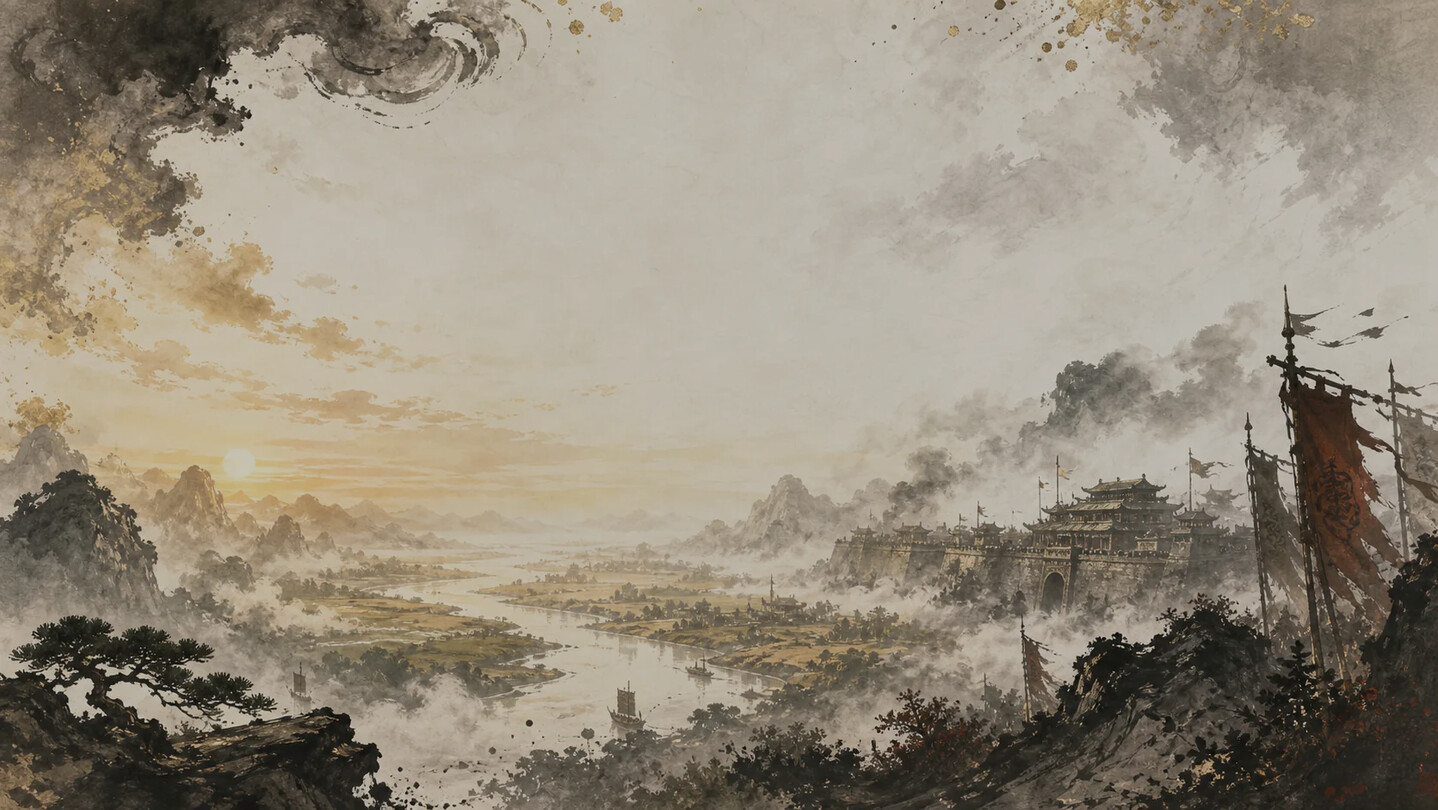

KIT Three Kingdoms: Heroes at War blends realm management on a grand map with streamlined real-time battles. Govern cities, recruit officers, plan routes, food supplies and siege preparations, then use cavalry charges, spear formations, archer volleys, tactics and duels to turn the tide.

Sign in to add this item to your wishlist, follow it, or mark it as ignored

Join the KIT 三国志:群英大战 Playtest

Request access and you’ll get notified when the developer is ready for more participants.
This game is not yet available on Steam

Coming soon

Interested?
Add to your wishlist and get notified when it becomes available.
 

About This Game

KIT Three Kingdoms: Heroes at War

KIT Three Kingdoms: Heroes at War is a solo-developed Three Kingdoms strategy game that connects realm management on a grand map with streamlined real-time battles. Govern cities, raise armies and assign officers to key roles—but before a force marches, you must decide who will join it, where it will go and whether its food supply can sustain the operation.

Victory is not decided by troop numbers alone. Routes, food, formations, direction of attack, officer abilities and siege preparation all shape the outcome. An army can win a field battle and still fail at the city walls if its supplies collapse.

Govern Cities and Expand Your Realm


Your cities are the foundation of every war. Organise production, recruit troops, strengthen defences, search for new talent and assign officers to key positions. Each decision affects what you can send into the field and how long you can support it.

Before an expedition departs, choose its officers and consider the troop type each one commands. Decide how much food and equipment the force will carry, then plan a route to its next city or battlefield. A larger army may be more powerful, but it also demands more food and becomes harder to sustain during a long operation.

Food Is the Clock Behind Every War


Food is more than a resource stockpiled in your cities. It determines how long your armies can march, fight and maintain a siege.

  • Cities consume food each day to support their population, garrison and reserve troops.
  • An expedition carries food when it departs. Consumption rises with army size and with the time spent marching or fighting.
  • Both sides continue consuming food during a field battle. If one force runs out, it can be forced to withdraw. If both sides deplete their supplies at the same time, the engagement can end with both armies disengaging.
  • Sieges place a heavier supply burden on the attacker. An attacking army without food must retreat. If the defender’s food reaches zero, disorder breaks out inside the city and the city begins losing durability as the siege continues.
  • A supply collapse on the strategic map can cost additional troops and trigger a rapid rout.
  • Some tactics can raid enemy supplies directly, while certain Advisor Skills can reduce food consumption.

Winning a battle therefore requires more than defeating the enemy in front of you. You must manage your remaining supplies and judge whether the army can still complete its objective after the fighting is over.

Read the Formation Before You Commit


When armies meet, the game shifts from strategic planning to real-time command. Troop type, formation, facing and whether a unit is already engaged all matter.

  • Cavalry units build charge while moving, then convert that momentum into additional damage on impact.
  • A prepared spear formation can intercept a frontal cavalry charge—but only while it is facing the attack, has not been broken and is not already locked in close combat.
  • Archer fire can temporarily suppress a spear formation, creating an opening for cavalry or infantry. Archers, however, become vulnerable when enemies close the distance.
  • Infantry is suited to frontal engagements and can anchor the line while other units manoeuvre.

Spear formations do not automatically stop cavalry, and cavalry cannot simply charge through every prepared spear formation. Timing, facing and whether the spears are already engaged decide whether the interception succeeds.

Break the Fortifications


Siege battles add gates, walls and specialised equipment to the battlefield. Battering rams attack city gates, ladders support assaults at close range, and ballistae and catapults apply pressure from a distance.

You must choose siege equipment before an expedition leaves the city. An otherwise powerful army may still fail if it reaches the walls without the right tools—or runs out of food before it can finish the assault.

Choose How Much to Command


The battle system supports three control styles:

  • Manual — issue movement and attack orders directly.
  • Semi Auto — combine player orders with automated unit behaviour.
  • Full Auto — let the AI direct the battle and observe how your preparations play out.

You can take direct command when detailed positioning matters, or focus on army composition, logistics and preparation before letting the battle unfold.

Officers, Units and Tactics


Officer attributes and combat roles affect battlefield performance. Each officer commands a particular troop type, so the officers you deploy also determine the shape of your army.

Combat tactics generally trigger automatically when their conditions are met. Where manual activation is available, their targets and areas of effect are determined by the tactic rather than freely aimed by the player. Tactics can strengthen allies, weaken enemies, deal area damage or raid enemy supplies.

For example, a fire tactic can damage enemies within a rectangular area, and its damage scales with the activating officer’s Intelligence. When a tactic triggers at the right moment, it can weaken several units or shift the balance of a battle beyond what troop numbers alone would suggest.

Settle the Clash in a Duel


Under the right battle conditions, two officers may challenge each other to a duel. A duel can occur at most once per battle. Refusing a challenge—or the outcome of an accepted duel—can affect morale.

During a duel, choose among three primary attacks—Slash, Thrust and Rising Strike—which form a three-way counter system:

  • Slash counters Thrust.
  • Thrust counters Rising Strike.
  • Rising Strike counters Slash.

Counter, Guard and Evade provide limited-use defensive alternatives. Reading the opponent and deciding when to spend those options is as important as choosing the right attack.

A Playable AD 189 Starting Scenario


The current version includes the playable “Coalition against Dong Zhuo (AD 189)” starting scenario. Choose one of the available factions and enter the strategic map from its initial territorial situation to manage cities, organise armies and expand your realm.

Additional scenarios—including “Warlords’ Struggle,” “Battle of Guandu” and “Battle of Red Cliffs”—are still in development. Their content, rules and release timing may change as development continues.

Developed Independently


This is a solo-developed project in active development. The strategic map, city management, logistics, real-time battles, sieges, tactics and duels are already playable and continue to be refined; balance, presentation and content may change during development.

AI Generated Content Disclosure

The developers describe how their game uses AI Generated Content like this:

Some pre-generated visual assets and localization text were created with the assistance of generative AI and were reviewed and edited by the developer. The game does not generate AI content during gameplay.

System Requirements

    Minimum:
    • Memory: 8 GB RAM
    • DirectX: Version 11
    • Storage: 4 GB available space
    Recommended:
    • Memory: 16 GB RAM
    • DirectX: Version 11
    • Storage: 4 GB available space
There are no reviews for this product

You can write your own review for this product to share your experience with the community. Use the area above the purchase buttons on this page to write your review.

Review Filters