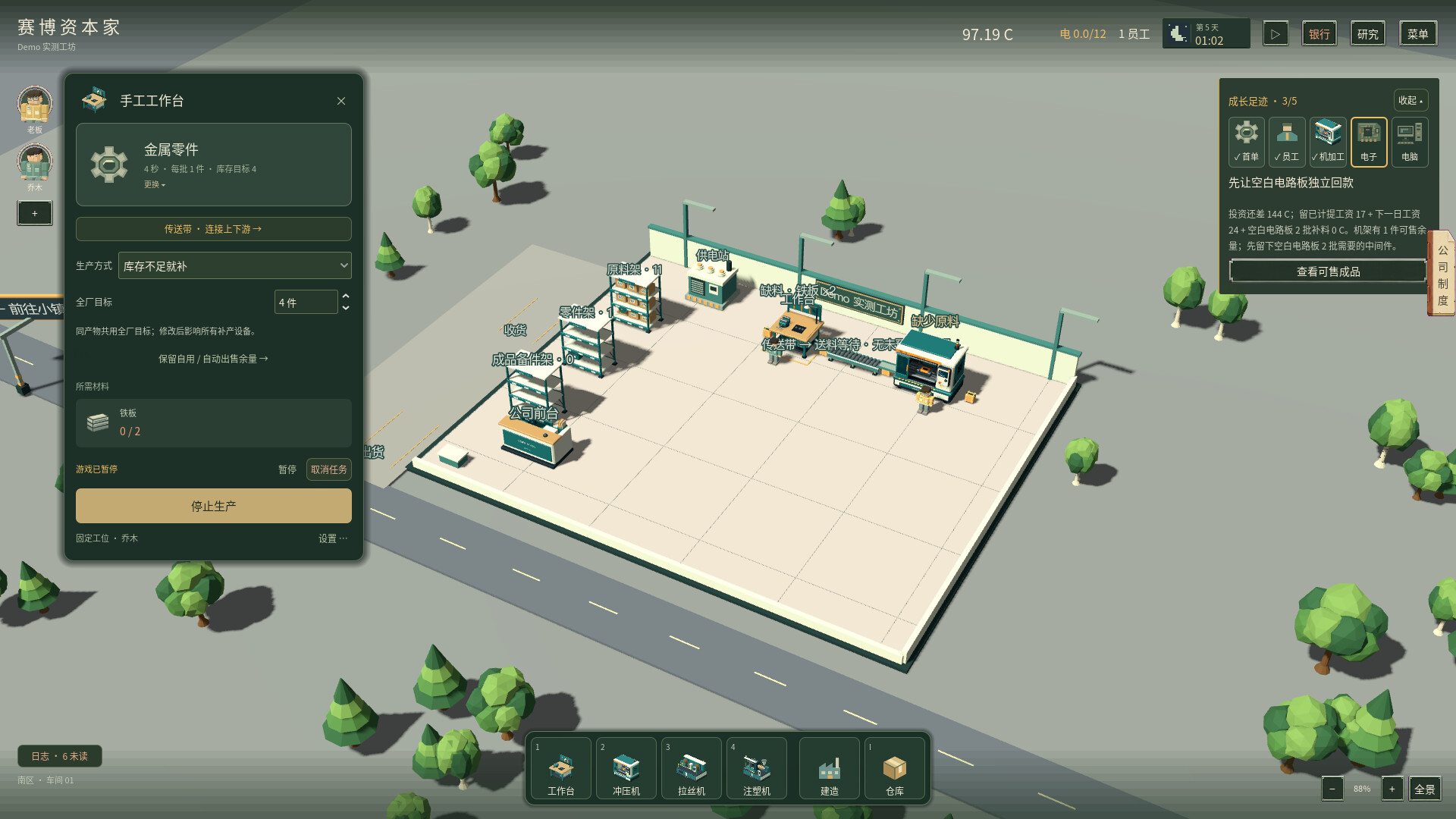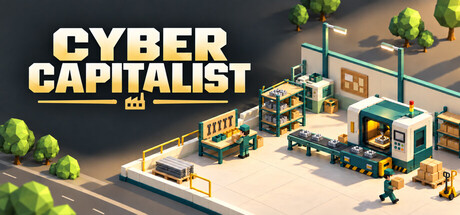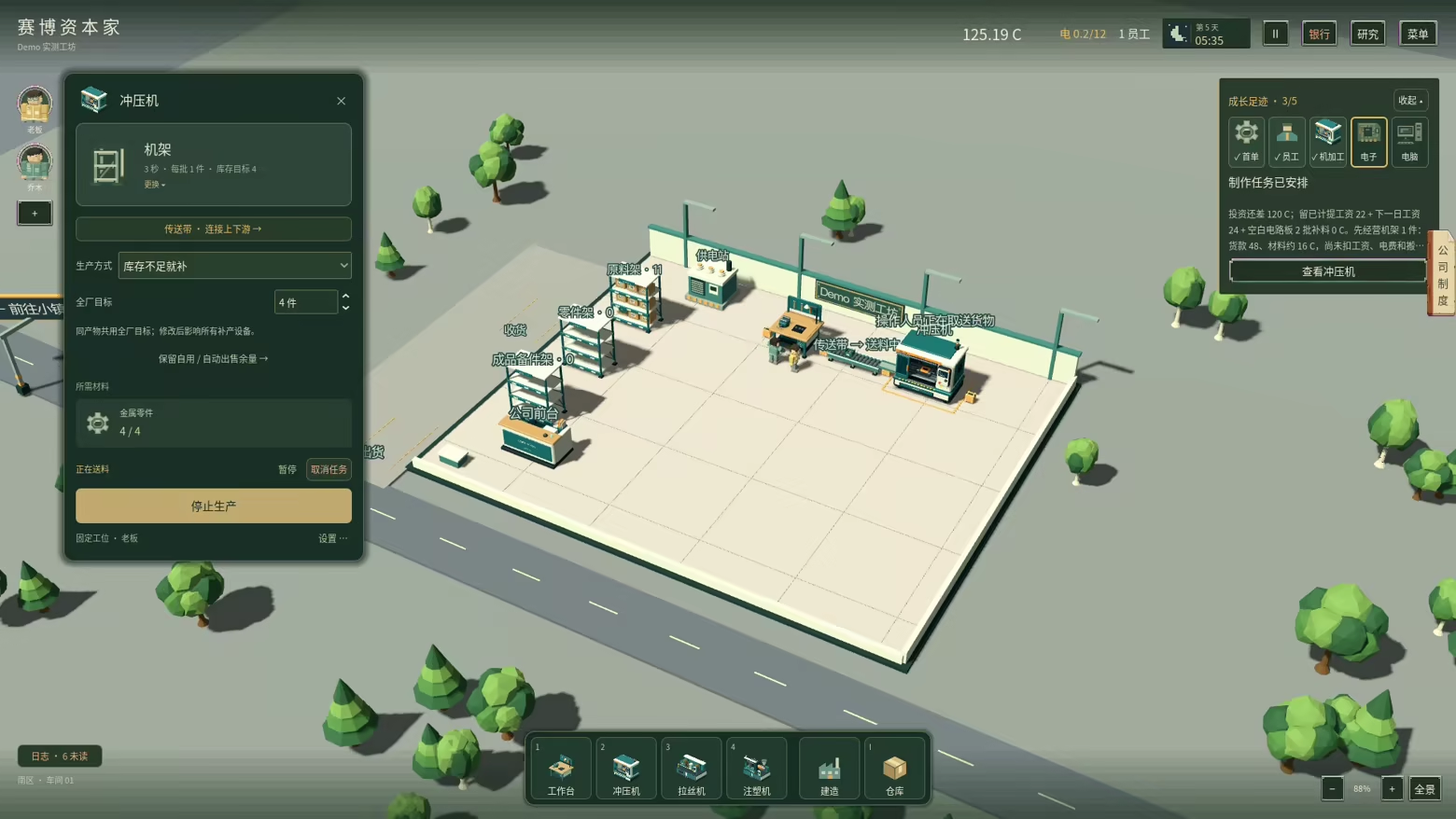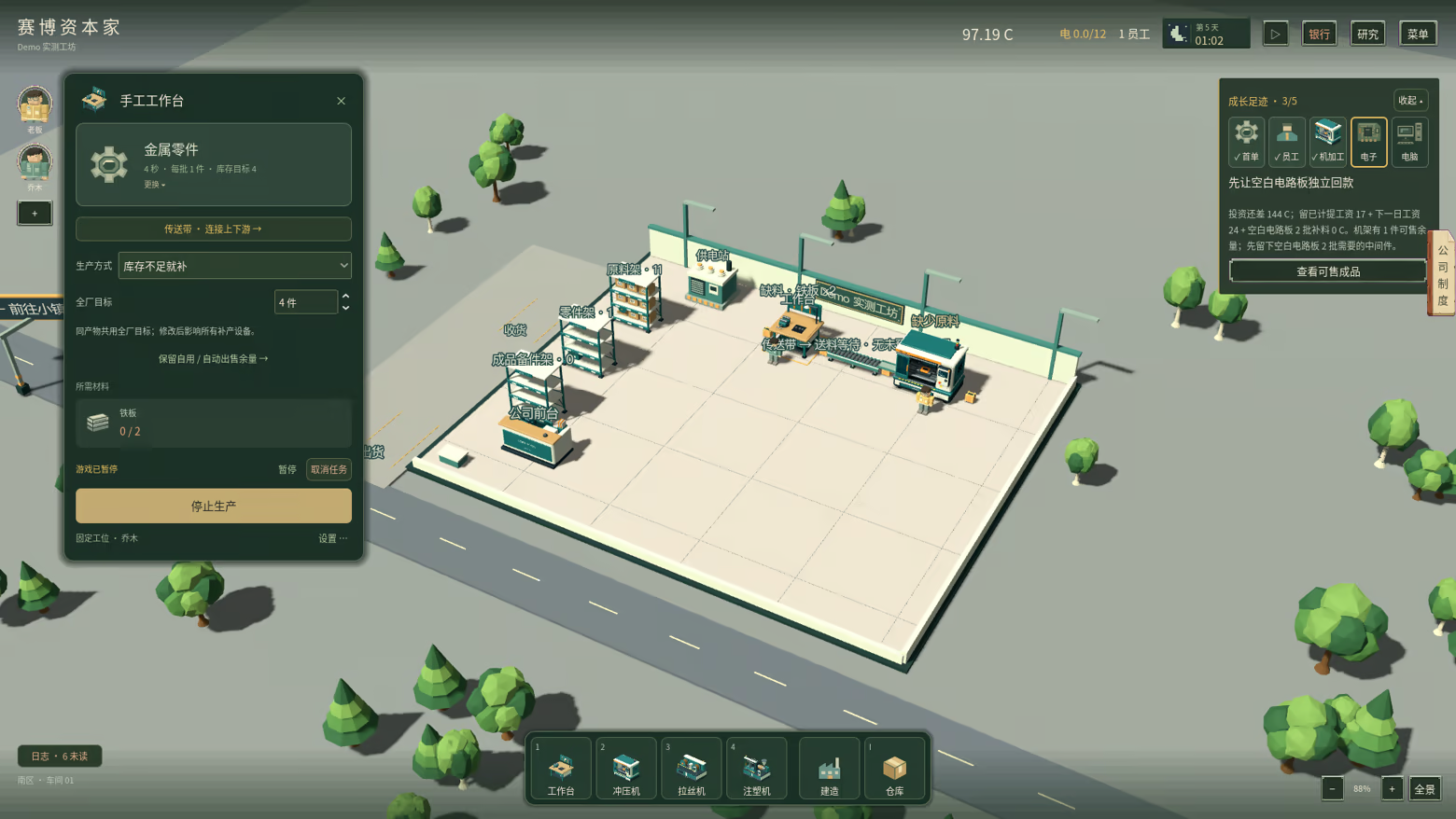

Build a factory from a single workbench. Hire workers, move materials, fulfil town orders and expand into electronics manufacturing. Balance wages, power and cash flow as you connect production lines and introduce automation in this 3D management sim.

Melden Sie sich an, um dieses Produkt zu Ihrer Wunschliste hinzuzufügen, zu abonnieren oder als „Ignoriert“ zu markieren.

Sprache "Deutsch" nicht unterstützt

Dieses Produkt ist nicht in Ihrer Sprache verfügbar. Bitte schauen Sie sich die unten stehende Liste der verfügbaren Sprachen an, bevor Sie das Produkt kaufen.

Dieses Spiel ist noch nicht auf Steam verfügbar

Bald verfügbar

Interesse? Fügen Sie das Spiel Ihrer Wunschliste hinzu und erhalten Sie eine Benachrichtigung, wenn es verfügbar ist.
 

Infos zum Spiel

One workbench. Your own factory.

“Your employees create value. You own it.”

Buy materials, hire workers, manufacture goods and deliver orders. Start with a small workshop and 600 C, then reinvest every sale into the next production run. Your employees create value. You own it—and the next bill.

Cyber Capitalist is a 3D factory management game with a dark sense of humour. Decide which machines to buy and whom to hire while dealing with shortages, backed-up outputs and cash running low. A busy factory is not necessarily a profitable one.

Build workstations. Keep materials moving.

“The boss is on the shop floor. Not for morale. Payroll is tight.”

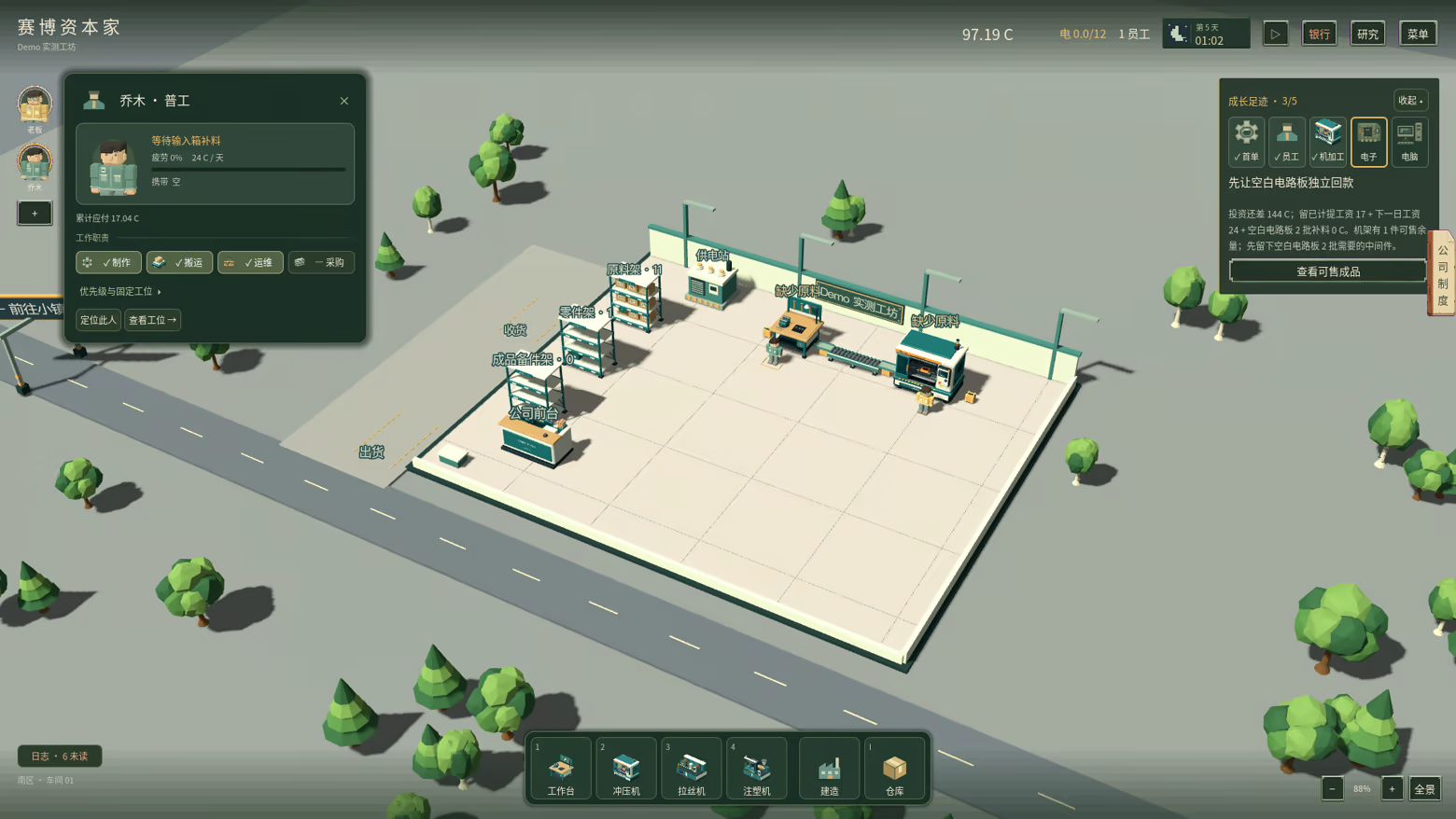
Materials must reach their workstations. Finished goods need storage and loading. New machines need delivery and installation. Plan your floor, spot shortages and blocked outputs, and carry boxes yourself when staff are scarce.

Inspect recipes, material requirements and outputs. Send supplies where they are needed and use material feeds to reduce repetitive hauling. Leave access routes when expanding. One missing ingredient can keep the entire plan waiting.

Manage your people—and your wage bill.

“We do not encourage overtime. We encourage finishing today’s orders today.”

Assign production, hauling, maintenance and purchasing duties, or dedicate workers to specific machines. Balance wages, fatigue and shifts so production and logistics keep moving. Work out your daily costs before expanding.

Production workers run machines, haulers connect storage and workstations, and maintenance staff deal with equipment problems. Divide the work, assign fixed stations and organise shifts, then check whether orders can cover payroll. More employees do not automatically mean more profit.

Grow from simple parts to electronics.

“Learning benefits the staff. The company funds it. Naturally, the company owns the results.”

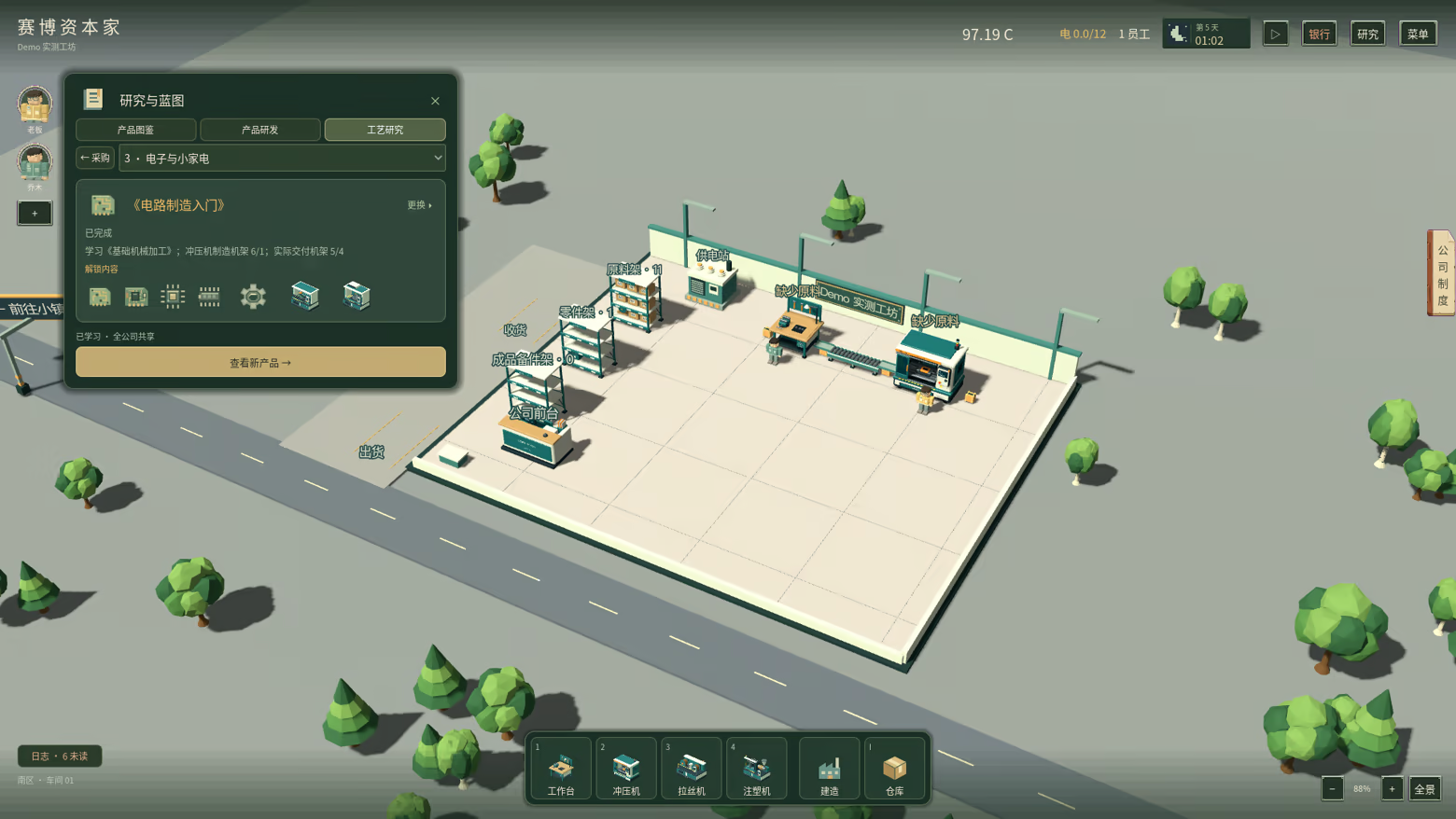
Complete deliveries to acquire knowledge, research processes and unlock frames, circuit boards, computers and servers. Test products, expand the workshop and power supply, and keep cash available for the next production run.

Research needs knowledge and prerequisites. New machines bring power, maintenance and logistics demands. Build increasingly complex manufacturing chains and feed approved intermediate goods into downstream production. Affording a machine is only the first step toward running it.

Head into town. Make a deal.

“The customer promises to return. Accounting would prefer payment first.”

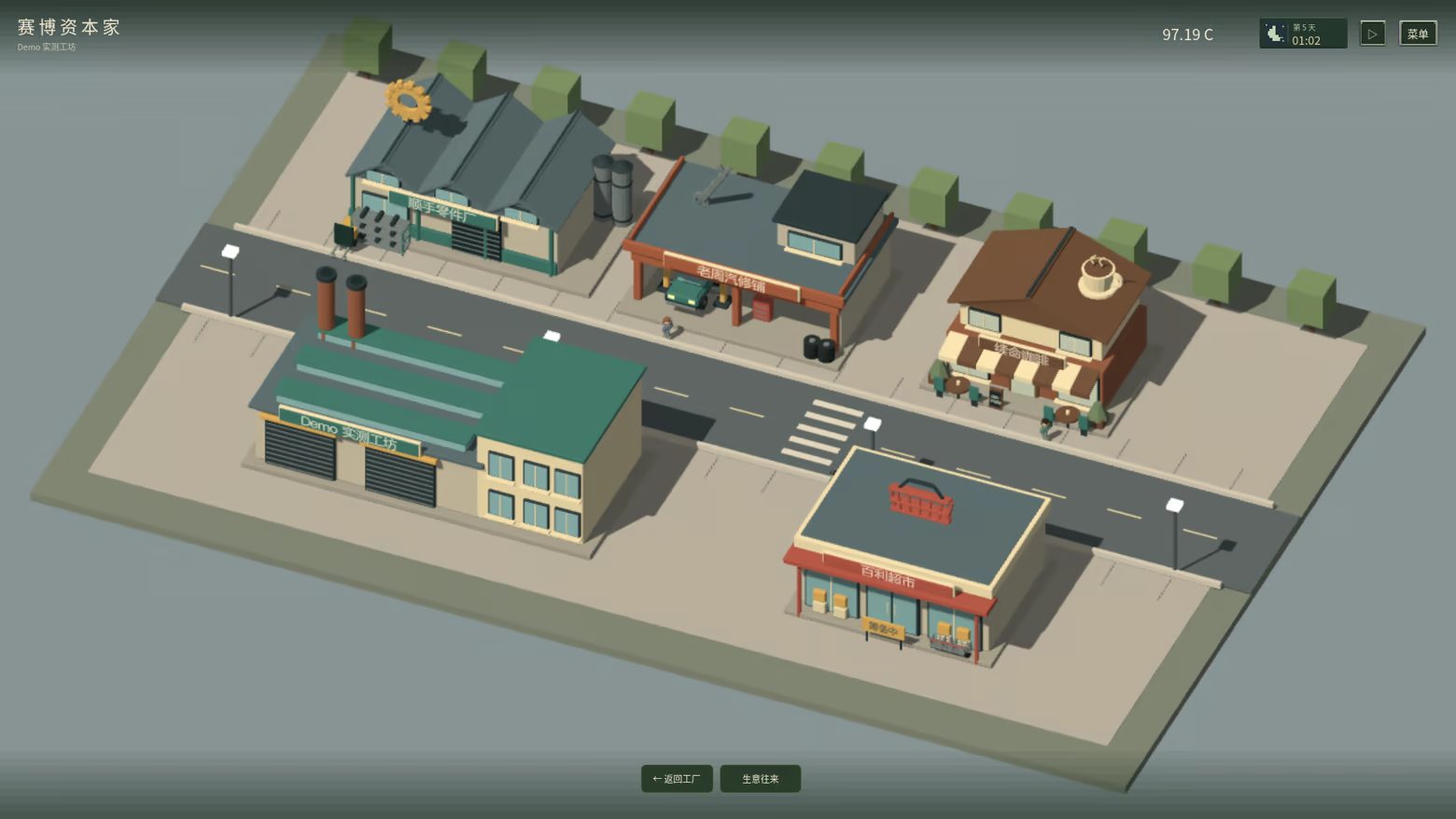
Visit local businesses to buy materials and negotiate repair-shop orders. Weigh deadlines against costs and revenue. Deliver the finished goods to turn an order into cash.

Compare inventory with order requirements, schedule production, load the goods and deliver them. Taking orders, manufacturing, delivery and payment form your business cycle. Once the money arrives, budget for the next machine—and the next wage bill.

Introduce automation step by step.

“Machines never ask for a raise. The electricity bill does.”

Begin with material feeds and fixed workstations. Explore automation for operation, logistics, quality control and maintenance. Terminals, robot arms, mobile robots and computing equipment serve different roles. Plan staffing, power and upkeep together.

Automation requires investment and upkeep. As the factory grows, weigh the roles of labour, machinery and computing capacity. Pause to plan, inspect machines and staffing, and continue your company through manual or automatic saves.

Offenlegung von KI-generierten Inhalten

Der Spieleentwickler beschreibt den Einsatz von KI-generierten Inhalten in diesem Spiel wie folgt:

AI Content Statement

Some of the art assets (employee animations) in this game were generated with the assistance of AI.
This work contains satirical content such as workplace exploitation, layoffs, and public sentiment; there are no real company/character allusions, and everything is fictional and parody.

Systemanforderungen

    Mindestanforderungen:
    • Betriebssystem: Windows 10 64-bit
    • Prozessor: Intel Core i3 or equivalent
    • Arbeitsspeicher: 4 GB RAM
    • Grafik: OpenGL 3.3 compatible graphics card
    • Speicherplatz: 1 GB verfügbarer Speicherplatz
    • Soundkarte: Any compatible sound card
    • VR-Unterstützung: Not supported
    • Zusätzliche Anmerkungen: Requires 64-bit processor and operating system. Game uses OpenGL rendering and does not require DirectX.
    Empfohlen:
    • Betriebssystem: Windows 10/11 64-bit
    • Prozessor: Intel Core i5 or equivalent
    • Arbeitsspeicher: 8 GB RAM
    • Grafik: OpenGL 4.5 compatible graphics card
    • Speicherplatz: 2 GB verfügbarer Speicherplatz
    • Soundkarte: Any compatible sound card
    • VR-Unterstützung: Not supported
    • Zusätzliche Anmerkungen: Requires 64-bit processor and operating system. Game uses OpenGL rendering and does not require DirectX.
Filter überprüfen