


로그인하셔서 게임을 찜 목록에 추가하거나, 팔로우하거나 또는 제외로 지정하세요.

한국어(을)를 지원하지 않습니다

이 제품은 귀하의 로컬 언어를 지원하지 않습니다. 구매하기 전에 아래에 있는 지원하는 언어 목록을 확인해주세요.

다운로드 가능한 콘텐츠

플레이하려면 Steam 버전인 Maestro's Cold War 2 기본 게임이 필요합니다.

Maestro's Cold War 2 - The East is Red 구매


콘텐츠 정보

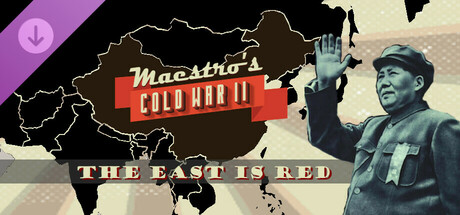
Lead China from 1949 to 1976 in this extention for Maestro's Cold War 2.

Turn China into a superpower, and challenge the Imperialists in Asia, and then in the whole world.

This extention proposes game mechanisms and actions proper to China.

Here are the key events and challenges one might expect during this timeline:

  • Establishment of the People's Republic of China (1949): On October 1, 1949, Mao Zedong declared the founding of the People's Republic of China (PRC) after the Chinese Civil War ended with a victory for the Communist Party over the Nationalist forces.

  • Land Reform and the Korean War (1950-1953): After the PRC's formation, land reforms redistributed land from landlords to peasants. At the same time, China became involved in the Korean War, supporting North Korea against UN forces led by the United States.

  • First Five-Year Plan (1953-1957): The Communist government implemented its First Five-Year Plan to industrialize China and modernize its economy, largely focusing on heavy industry and agriculture.

  • The Great Leap Forward (1958-1962): Mao initiated this ambitious program to rapidly industrialize and collectivize agriculture. However, it led to widespread famine, economic hardship, and millions of deaths, ultimately marking a significant failure.

  • The Cultural Revolution (1966-1976): Mao launched the Cultural Revolution to reassert his authority and preserve Communist ideology by removing capitalist, traditional, and cultural elements from Chinese society.

  • Sino-Soviet Split (1960s-1970s): A growing ideological and political rift between China and the Soviet Union, partly over differences in Communist doctrine, led to a break in relations between the two countries, which affected global Cold War dynamics.

  • Mao's Return to Power (1969-1976): In the late 1960s, Mao increasingly regained control over the Communist Party, sidelining rivals. His efforts to maintain revolutionary fervor led to the intensification of the Cultural Revolution.

  • Normalization of US-China Relations (1972): President Richard Nixon's visit to China in 1972 marked a significant thaw in Sino-American relations, which had been frozen since the Chinese Revolution. This paved the way for the eventual establishment of diplomatic relations between the US and the PRC.

시스템 요구 사항

Windows
macOS
SteamOS + Linux
    최소:
    • 64비트 프로세서와 운영 체제가 필요합니다
    • 운영 체제: 11
    • 프로세서: 1.5 Ghz (Intel Celeron / AMD Athlon 64 x2)
    • 메모리: 1 GB RAM
    • 그래픽: Intel HD 4000 / AMD Radeon R5 230 / NVIDIA GeForce GT 710
    • 저장 공간: 1300 MB 사용 가능 공간
    권장:
    • 64비트 프로세서와 운영 체제가 필요합니다
    • 운영 체제: 11
    • 프로세서: 2.5 gz and 2 cores
    • 메모리: 1 GB RAM
    • 그래픽: Intel HD 4000 / AMD Radeon R5 230 / NVIDIA GeForce GT 710
    • 저장 공간: 1300 MB 사용 가능 공간
    최소:
    • 운영 체제: i3 or higher
    • 프로세서: i3 or higher
    • 메모리: 8 MB RAM
    • 그래픽: Intel HD Graphics 4000 (or equivalent)
    권장:
    • 운영 체제: i3 or higher
    • 프로세서: i3 or higher
    • 그래픽: Intel HD Graphics 4000 (or equivalent)
    최소:
    • 운영 체제: Unsure
    • 프로세서: i3 or higher
    권장:

    Maestro's Cold War 2 - The East is Red에 대한 사용자 평가 사용자 평가 정보 환경 설정

    종합 평가:
    사용자 평가 4개 (평가 4개)


    특정 날짜 범위에 속하는 평가를 보려면, 위의 그래프에서 선택 항목을 클릭한 후 드래그하거나 원하는 바를 클릭하세요.


    선택한 표시 순서로 평가 보기


    자세한 정보
    필터
    게임과 관련없는 평가 활동 제외
    플레이 시간:
    주로 Steam Deck에서 플레이
    운영 체제:
    CPU:
    GPU:
    기기 유형: