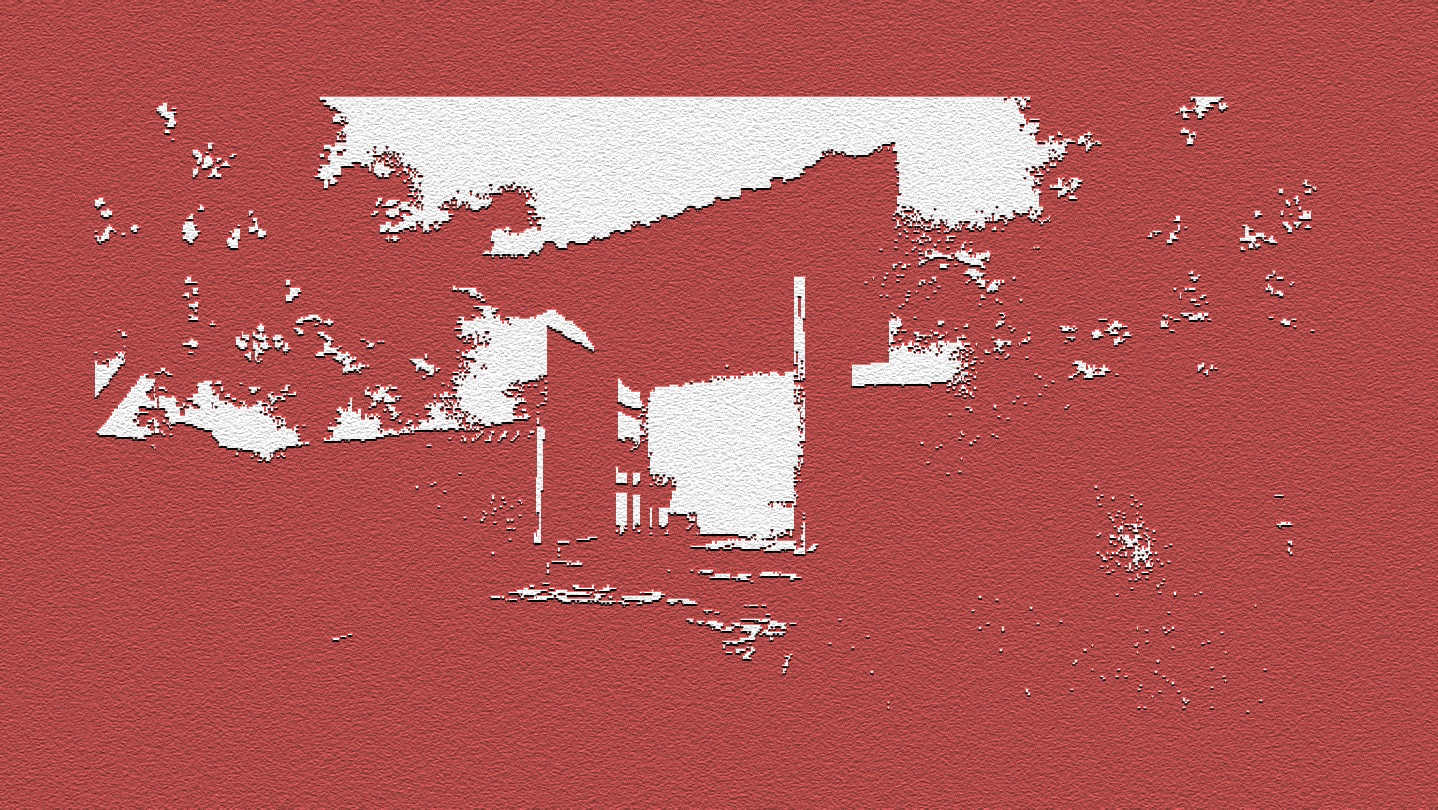


Two Interwoven tales ruminating on beginning and end and everything in-between.
Megjelenés dátuma:
2026. febr. 15.
Fejlesztő:
Címkék

Jelentkezz be, hogy ezt a tételt a kívánságlistádhoz adhasd, követhesd vagy mellőzöttnek jelölhesd.

A Magyar nyelv nem támogatott.

Ez a termék nem támogatja a nálad beállított nyelvet. Kérjük, vásárlás előtt tekintsd át a támogatott nyelvek listáját.

Ez a játék még nem érhető el a Steamen

Tervezett megjelenési dátum: 2026. febr. 15.

A játék tervezett feloldásáig körülbelül 7 nap van hátra.

Érdekel?
Add a kívánságlistádhoz, és értesítést kapsz, amikor elérhetővé válik.
Kívánságlistára
 

A játékról

Experience two stories that each examine unique concepts and themes through different game-play mediums.

Sato is a classic turn-based Role-Playing-Game that explores the concepts of temperance, beliefs, and spirituality.

Hama is an Experimental-Game that examines the nature of cyclicality through third person action, painting, traversing, and exploring.

These stories connect and create a larger overarching meditation on life. Experience the various different ways of expression, communication and story telling possible through art. 

"The history of games dates to the ancient human past. Games are an integral part of all cultures and are one of the oldest forms of human social interaction. Games are formalized expressions of play which allow people to go beyond immediate imagination and direct physical activity. Common features of games include uncertainty of outcome, agreed upon rules, competition, separate place and time, elements of fiction, elements of chance, prescribed goals and personal enjoyment. Games capture the ideas and worldviews of their cultures and pass them on to the future generation. Games were important as cultural and social bonding events, as teaching tools and as markers of social status. As pastimes of royalty and the elite, some games became common features of court culture and were also given as gifts. Games such as Senet and the Mesoamerican ball game were often imbued with mythic and ritual religious significance. Games like Gyan chauper and The Mansion of Happiness were used to teach spiritual and ethical lessons while Shatranj and Wéiqí (Go) were seen as a way to develop strategic thinking and mental skill by the political and military elite. In his 1938 book, Homo Ludens, Dutch cultural historian Johan Huizinga argued that games were a primary condition of the generation of human cultures. Huizinga saw the playing of games as something that "is older than culture, for culture, however inadequately defined, always presupposes human society, and animals have not waited for man to teach them their playing". Huizinga saw games as a starting point for complex human activities such as language, law, war, philosophy and art."

Rendszerkövetelmények

    Minimum:
    • 64 bites processzor és operációs rendszer szükséges
    • Op. rendszer: Windows 10 x64
    • Processzor: AMD Ryzen 7 3700X | Intel Core i7-10700K
    • Memória: 8 GB RAM
    • Grafika: GeForce RTX 2080 | AMD Radeon RX 6650 XT
    • DirectX: Verzió: 12
    • Tárhely: 50 GB szabad hely
    Ajánlott:
    • 64 bites processzor és operációs rendszer szükséges
    • Op. rendszer: Windows 11 x64
    • Processzor: AMD Ryzen 7 3700X | Intel Core i7-10700K
    • Memória: 16 GB RAM
    • Grafika: GeForce RTX 2080 | AMD Radeon RX 6650 XT
    • DirectX: Verzió: 12
    • Tárhely: 50 GB szabad hely
Ehhez a termékhez nincsenek értékelések.

Írhatsz saját értékelést ehhez a termékhez, hogy megoszd élményedet a közösséggel. Használd a vásárlás gomb feletti részt ezen az oldalon értékelésed megírásához.