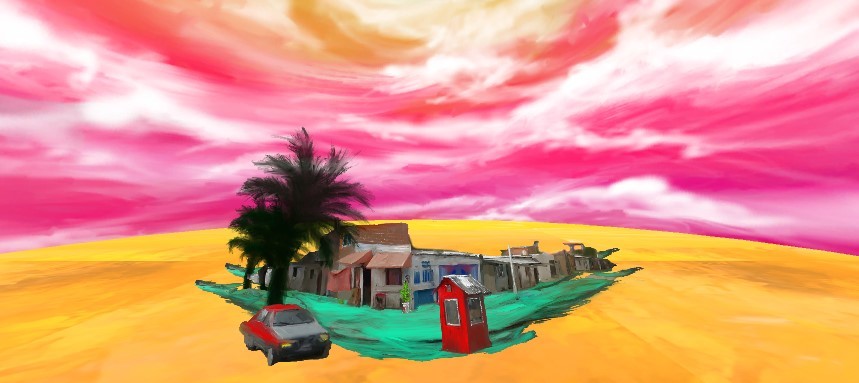


Although VR is opening numerous new possibilities, the current widely used way of presenting works of art in virtual reality-based exhibitions is not much different from the way of presenting works in physical galleries.

Zaloguj się, aby dodać tę pozycję do listy życzeń, zacząć ją obserwować lub oznaczyć jako ignorowaną

Polski język nie jest obsługiwany

Ten produkt nie obsługuje twojego lokalnego języka. Przed zakupem zapoznaj się z listą obsługiwanych języków, która znajduje się poniżej.

Tylko VR

Kup VR Nostalgia 5


O tym programie

Digital technology has been increasingly used in exhibitions to provide more immersive experience. Displaying images on a huge wall and/or animating some of the key elements in the picture are commonly used ways in order to provide new immersive experiences. Furthermore, HMD (Head-Mounted Display)-based VR (Virtual Reality) exhibits that have emerged in recent years can potentially provide much greater new immersive experiences due to the powerful hardware and software system that allows user interactions.
However, user experiences in the immersive VR exhibits still stay mostly in ‘viewing 2-D images’, which is similar to the way we experience in a physical gallery. In a typical VR gallery, a replica of a physical gallery is created in a virtual environment and audience are asked to appreciate the artworks in pretty much the same way as in the physical gallery, which is viewing 2-D images. Although exhibitions in virtual worlds provide many people, who have not been accessible to the artworks due to physical or economical limitations, with the new cultural experiences, there are lots of rooms for improvements from the user experience point of view, especially considering the capabilities of the recent powerful VR systems.
In this program, we propose a method that transforms the viewer's artwork appreciation experience in virtual exhibitions from “viewing” to more “experiential” by reconstructing 2-D paintings into 2.5-D works. With this method, users can appreciate artworks in a more active and participatory way. We introduce an example of a work made by applying the proposed method. It aims to provide more immersive aesthetic experiences to visitors in virtual exhibitions.

Wymagania systemowe

    Konfiguracja minimalna:
    • System operacyjny: Requires a 64-bit processor and operating system
    • Procesor: Intel™ i5-4590 or AMD FX™ 8350, equivalent or better.
    • Pamięć: 4 GB RAM GB RAM
    • Karta graficzna: NVIDIA GeForce™ GTX 970 / AMD R9 380, equivalent or better.
    • DirectX: Wersja 11
    • Sieć: Szerokopasmowe połączenie internetowe
    • Miejsce na dysku: 300 MB dostępnej przestrzeni
    • Obsługa VR: SteamVR
Brak recenzji dla tego produktu

Możesz napisać swoją własną recenzję dla tego produktu, żeby podzielić się swoimi wrażeniami ze społecznością. Użyj obszaru, który znajduje się na tej stronie nad przyciskiem zakupu, żeby napisać swoją recenzję.