The Panic Room. House of secrets - dianavoloshanova
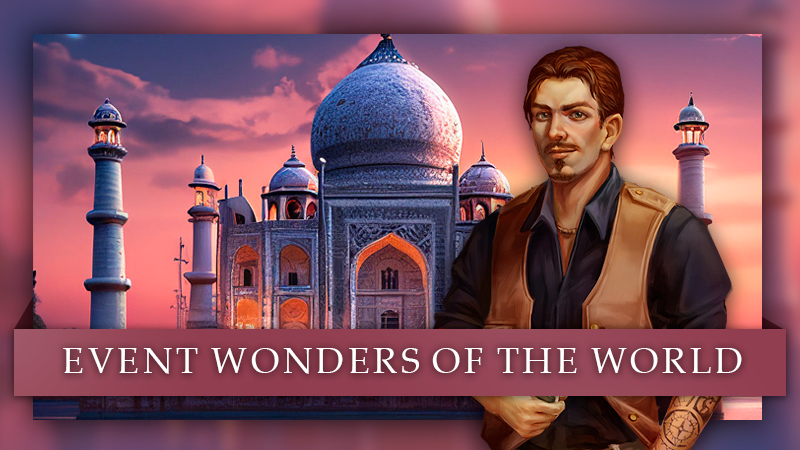
🔱 Everyone, everyone, everyone, we are going on a new journey! This time our path lies to the north of India - to the city of Agra.
Visit this historic heritage center and explore one of the site's majestic structures, the Taj Mahal, and get your own miniature of this Wonder of the World for your room!🔱
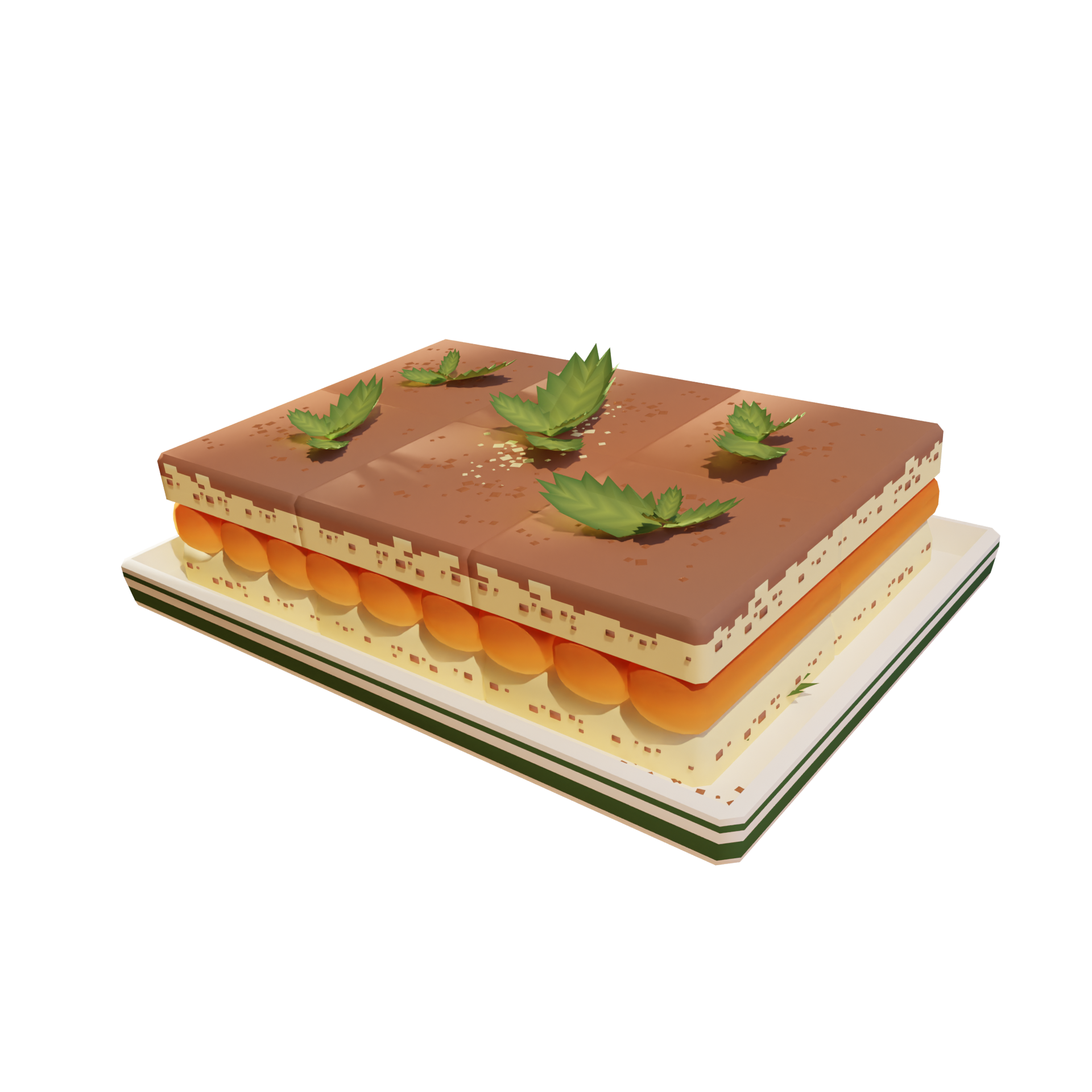
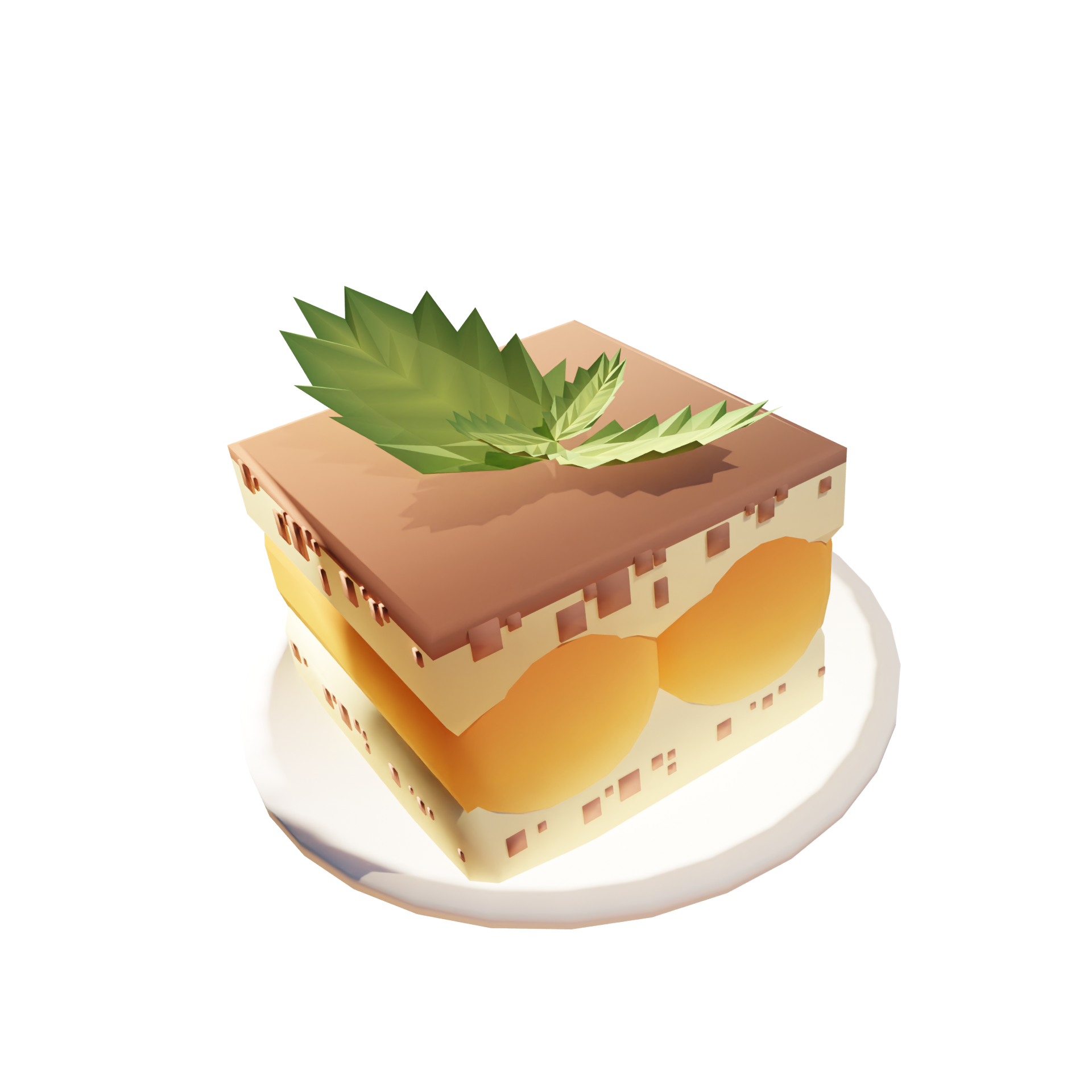
There are few desserts that can compete with the complex yet humble flavors that go into a Tiramisu. That perfect mix of sweet, bitter and creamy, this coffee-based dessert has grown in popularity for good reason. While at first glance less complicated than the cake, this dessert still has a few pitfalls you can easily fall into, so make sure you keep a close eye on temperatures and textures as you move through the instructions.
5 - 6 large eggs
500 grams of Mascarpone cheese
700 ml of coffee, preferably Italian
3-5 tbsp of white sugar
1 packet of Lady Finger biscuits
Cocoa powder
Icing sugar
Optional: Add 55g of a chocolate liqueur
Optional: Add 55g of a mild amaro
Optional: A few squares of dark chocolate (with nuts if preferred)
Start by separating the egg yolks from the egg whites in two separate bows. Get a pot of water boiling and then remove it from the heat, as this will be used to pasteurize the eggs. Place the bowl containing the yolks on top of the pot and use a hand mixer to gently whisk them until they reach a maximum temperature of 60°C/140°F. This should take about 1 - 2 minutes, and make sure to check regularly using a termometer. Remove the bowl from the heat and add around 5 tablespoons of white sugar into the yolks, and mix until it’s light and frothy.
Now it’s time to start heating the egg whites over the same pot of water, mixing it until you get stiff peaks. Add the Mascarpone to the yolk and sugar mixture and integrate it until you get a nice thick cream. Gently fold in the eggs with a spatula into cream, and set aside.
Brew your coffee and make sure to let cool completely. This is also where you can add your optional liquor or amaro and mix it in with the coffee. Then take your Lady finger biscuits and submerge them for around 3 seconds, letting any stray drops fall off. Move the dipped biscuits to the bottom of a pyrex pan with the sugar side turned down. Repeat these steps until you have a solid later of biscuits, squishing them as needed.
Pour some of your mascarpone cream mixture on top, spreading it with a spatula so you get an even layer from corner to corner. Sift the cocoa powder on top and then repeat with another layer of dipped biscuits, cream, cocoa, etc. If you want a richer top layer, add your chopped up optional chocolate squares to the top along with the final layer of sifted cocoa powder. Cover the plate with cling wrap and set into the fridge for at least four hours, preferably overnight. And there you have it! A decadent treat that is sure to delight all palettes.
Greetings everyone! My name is Jamie, I’m a gameplay programmer at Triumph Studios and one of my main responsibilities is the Random Map Generation (RMG, not to be confused with RNG, although it plays a big role!). I’d like to give you an update on some of the upcoming changes to the Underground, and we’ll start off with a bit of general insight on how maps are generated in Age of Wonders 4.
Map Generation
For Age of Wonders 4 we’ve made an iteration on the Random Map Generator based on the foundation created in Planetfall. One thing you might have noticed is that the size of our provinces is considerably smaller than they were in Planetfall, but we still wanted to make sure that connecting provinces could feel like they are part of a whole. This is why we’ve opted to adapt this system to generate the map based on Regions of variable types and sizes. These regions are then subdivided into the provinces you see when you play on the map. This means we can create large mountain ranges and oceans, while having smaller provinces for Ancient Wonders, or create a player starting area with neighbouring provinces that will always have a set number of resource nodes to exploit.
Underground Generation
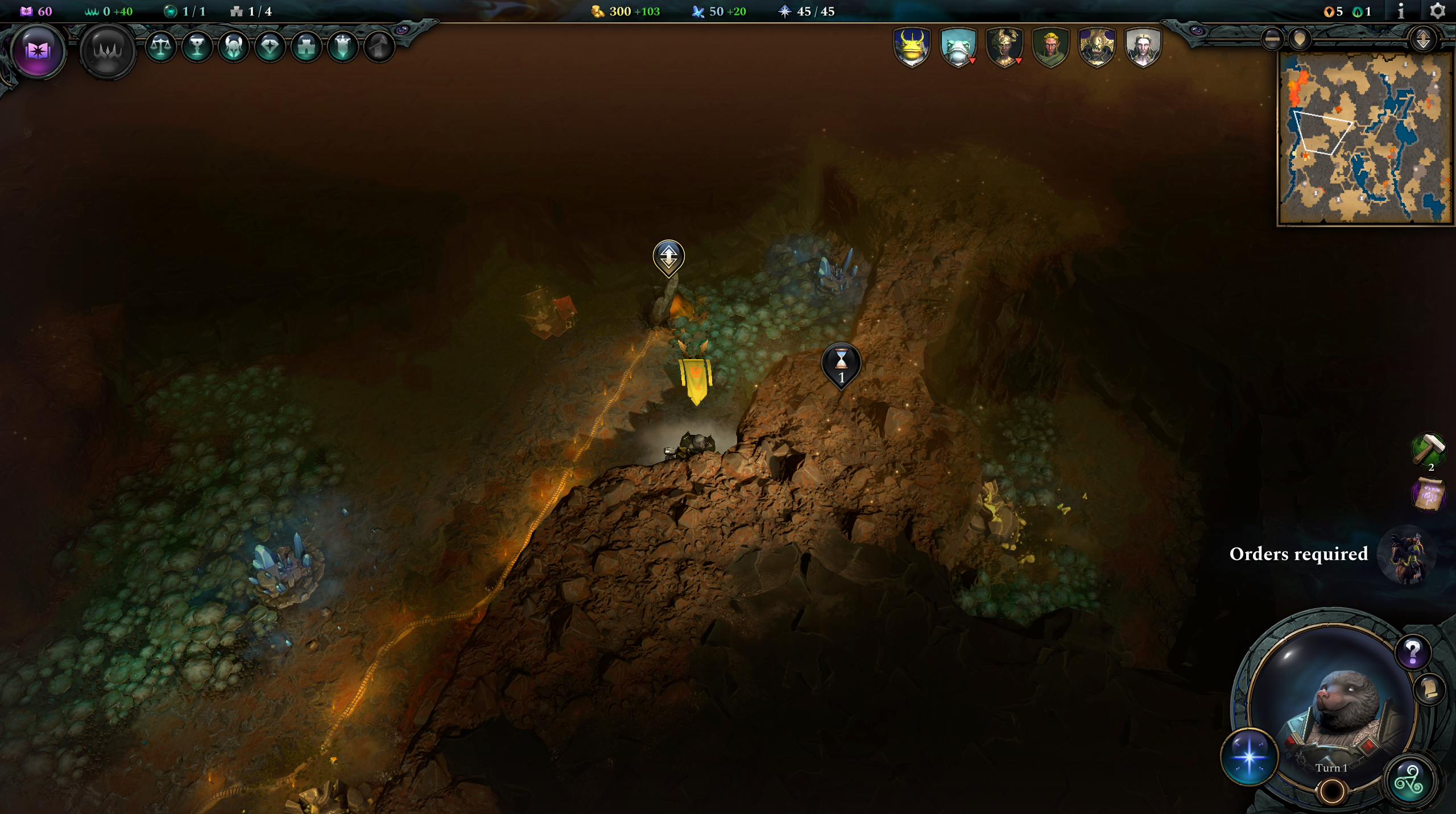
To give you an idea of the process involved in generating the Underground map layer, these are the steps we take:
Start with an empty map, with a size based on the maximum number of players on one of the map levels.
Generate positions for players and free cities.
Generate regions by using the generated positions.
Generate passages between the underground and surface.
Generate caverns around existing locations, cities, passages.
Generate additional caverns to reach the desired amount.
Generate Ancient Wonders inside existing caverns.
Generate Bedrock/Lava/Water on the remaining regions.
Generate region flavors (empty regions, valuable regions).
Generate themes (general, hot, cold) to create variations on a per cavern basis.
Generate large sectors by combining bedrock.
Generate overlays (rock, mushroom forests, snow, etc) based on the theme of the cavern.
Generate rivers.
Generate tunnels to connect the caverns.
Generate structures, magic materials, pickups, etc.
Generate provinces that can be excavated, filling up provinces that have something of interest
Generate roads to connect important locations on the map
The Underground
When we set out to create the Underground map layer for this game, we had the following design goals in mind:
Players should be able to create viable underground empires; especially for players with the Underground Adaptation.
The Underground should have a unique feel in terms of gameplay, look, structure, and encounters.
The Underground should be readable and visually appealing.
For this update we used these as a starting point to improve the overall experience of the underground.
City Expansion
The main issue with starting in the underground was the fact that a lot of the time, cities couldn’t grow to their full potential. It could be stuck in a corner of the cavern, or the cavern itself was simply not big enough. Even when there is some value to be gotten in smaller values with Ancient Wonders and valuable nodes, the city could never grow big enough to be worth it compared to the surface.
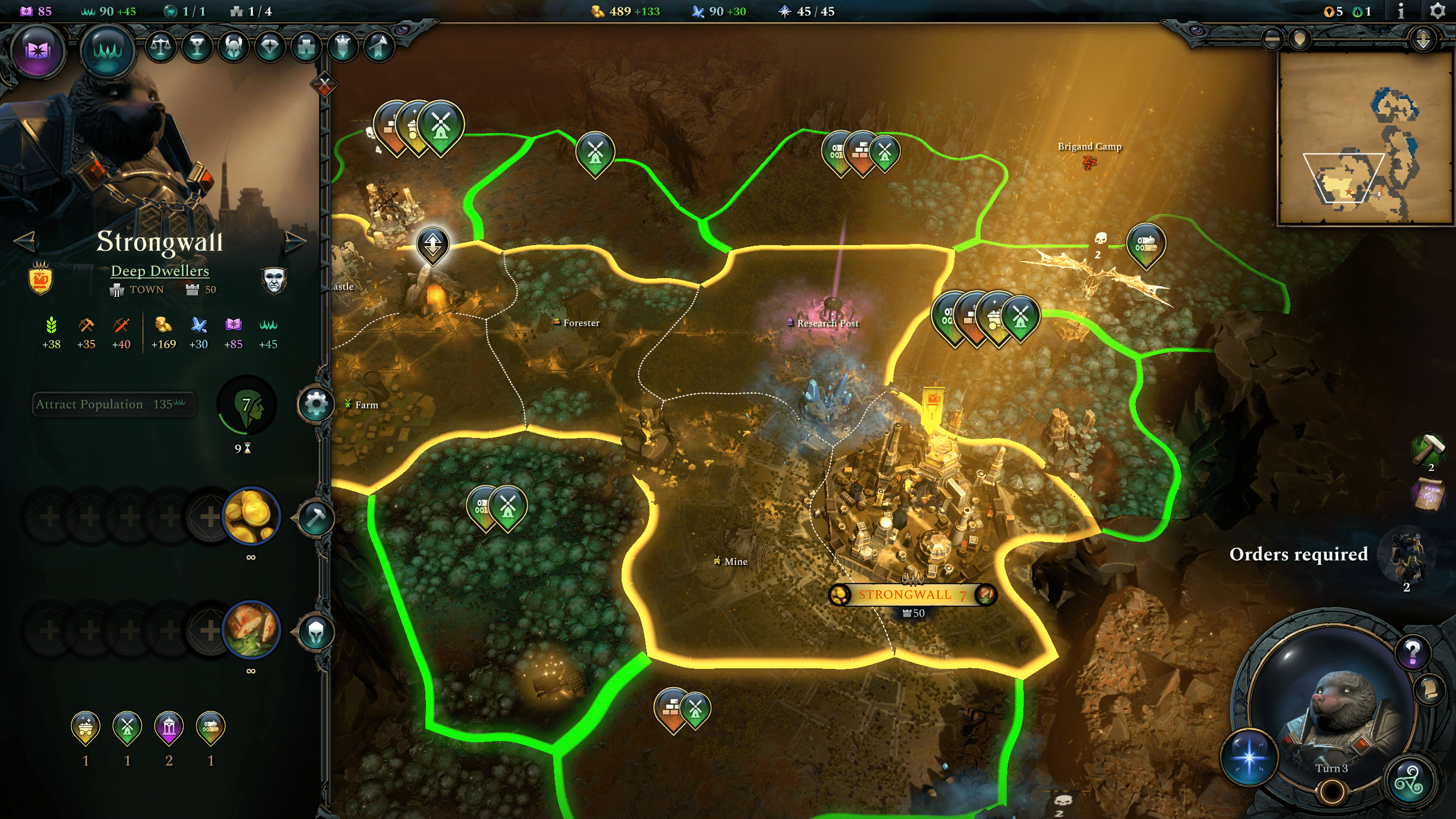
What we’ve done for the Watcher update is that cities can now expand through Underground Passage to the other map layer. This allows those you players to capture the smaller caverns full of value from the surface, or grab a couple of farms on the surface while creating mines in the underground.
For players using the Underground Adaptation mind trait, we added a little bonus to their cities with one additional annex range, allowing them to make full use of the caverns they settle in.
Excavation
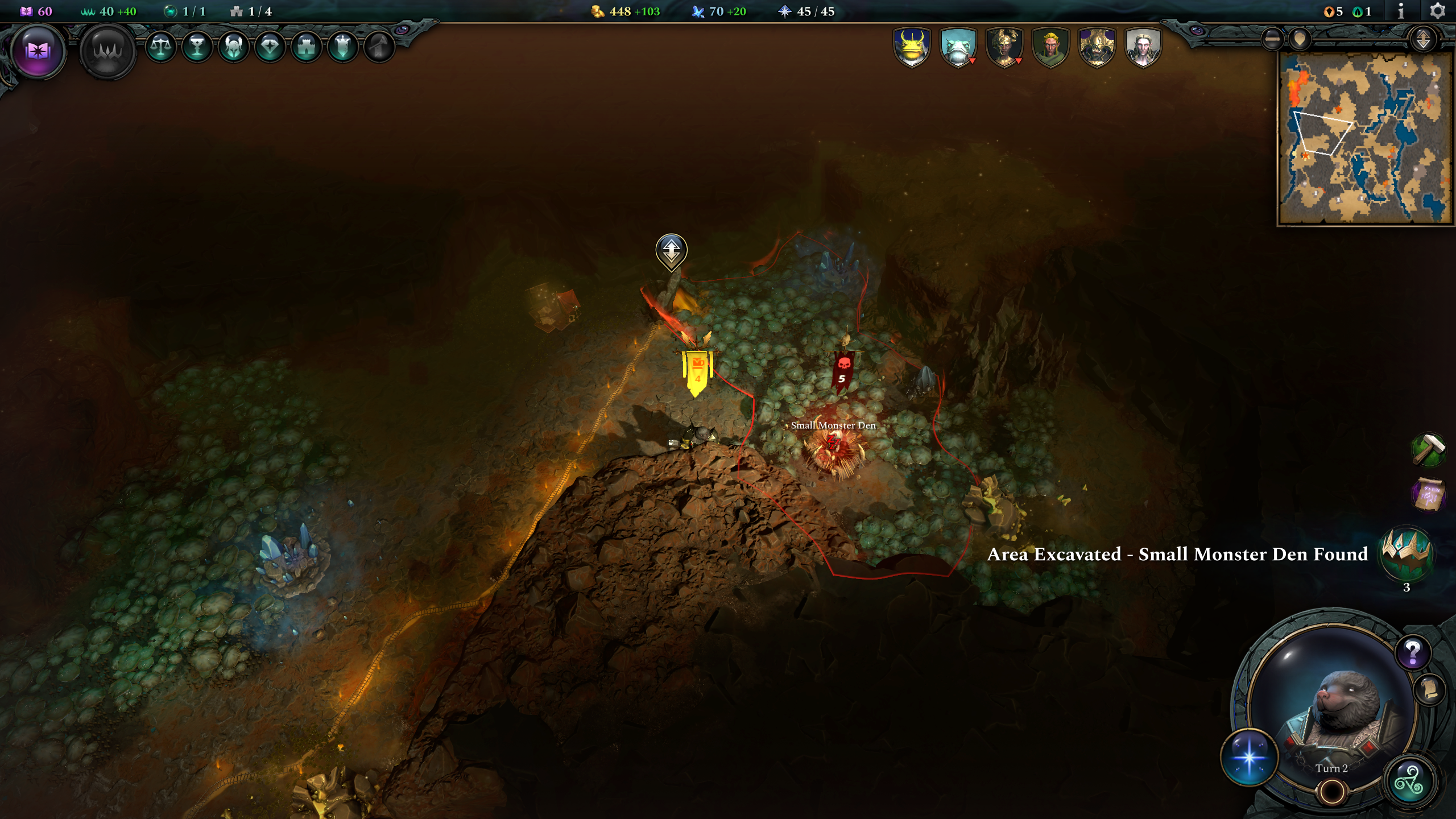
Many provinces in the underground are filled with earth and need to be excavated to create usable terrain for cities and exploration. In the wyvern update we’ve added Nodes and Magic Materials to be uncovered by this process, but the experience could still feel lacking and too dangerous for scouts to handle due to the roaming armies that could spawn as a result of this. The roaming stacks were initially added to reach the quota of fights to level up your stacks during the early game. But besides being forced fights, they also didn’t give any rewards.
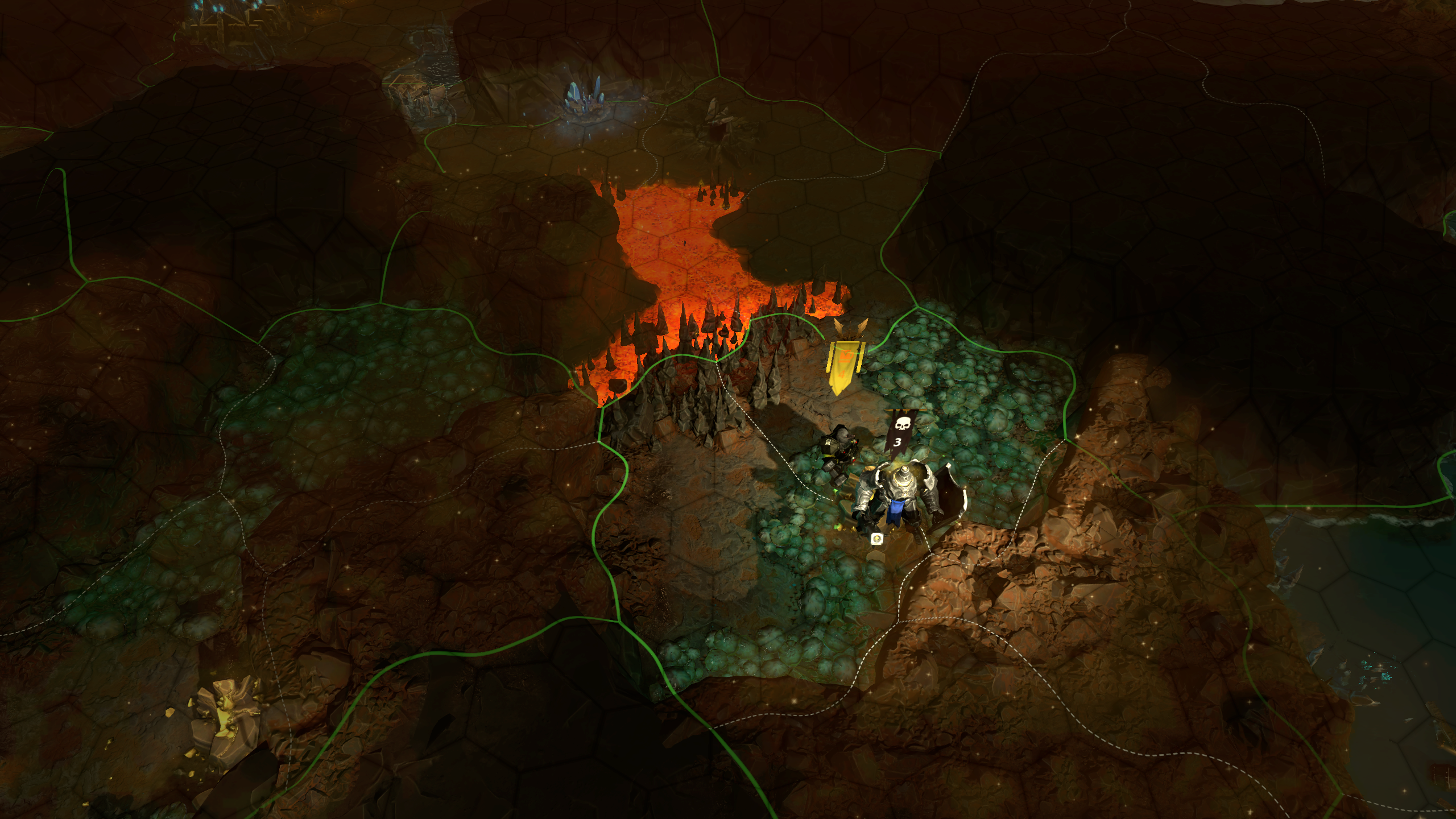
For this update we’ve decided to change things up a little bit. The first thing you’ll notice is that some provinces will now be glowing, this means they have a structure underneath them, this could be a Resource Node, Magic Material, or an Infestation! This should help you find a good settling spot for a new city at a glance, rather than first having to excavate all provinces. When excavating a province, you will uncover these structures with defenders on them, these structures still include their rewards for clearing them. This way you can decide how you want to react, but do be careful with those infestations, as they will directly claim their territory and give you limited time before they wake up.
Structures
We’ve made a couple of adjustments to the structures in the Underground. First of all we’ve made the Ores group of Magic Materials be the only materials that spawn in the Underground and in greater numbers. There is now a better distribution on the rarity of Ancient Wonders in the underground, leading to a more varied pool. When traversing the water you can find the occasional pickup, making traversal through these rivers even more worth your time.
Continents Map Type
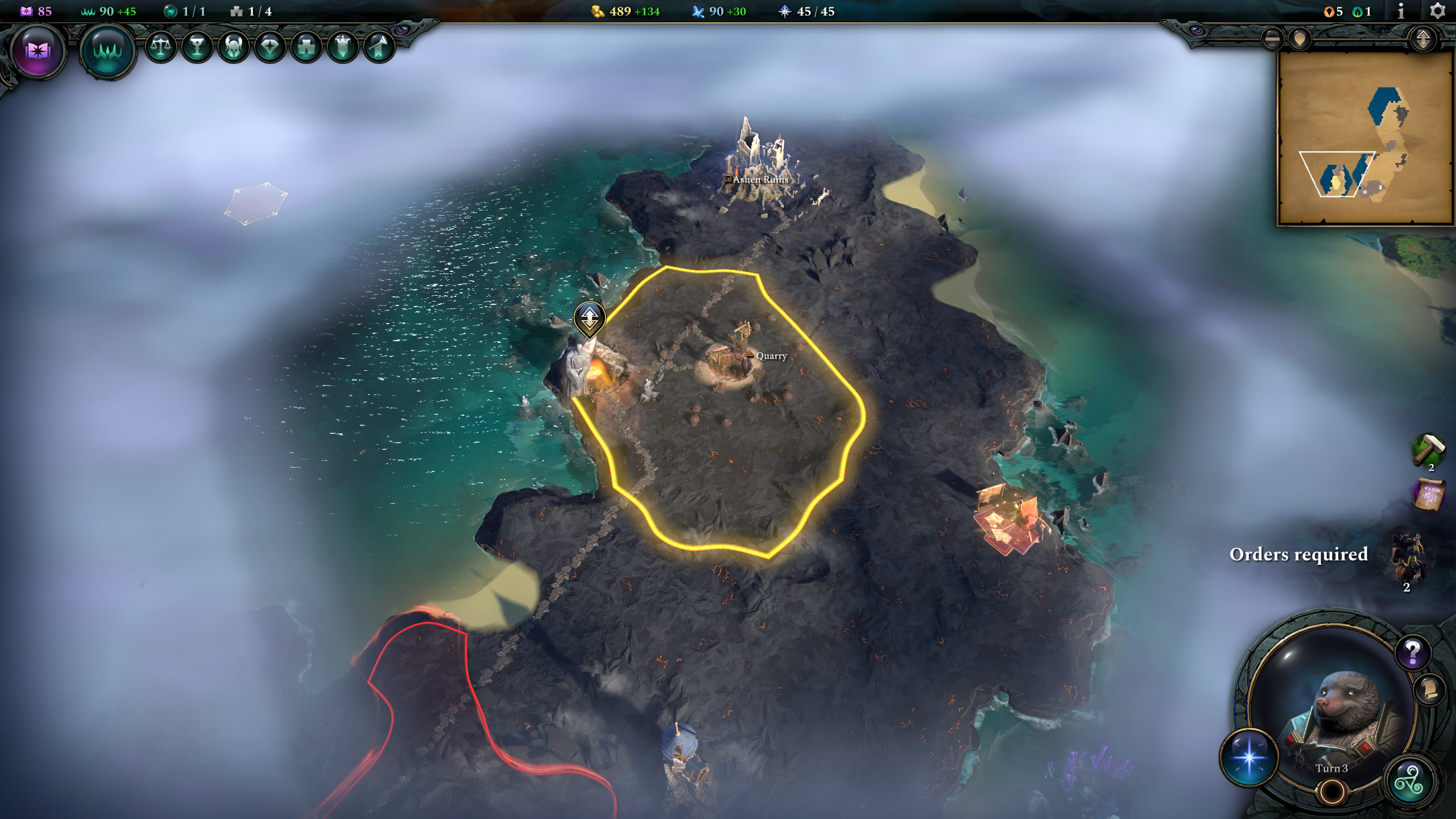
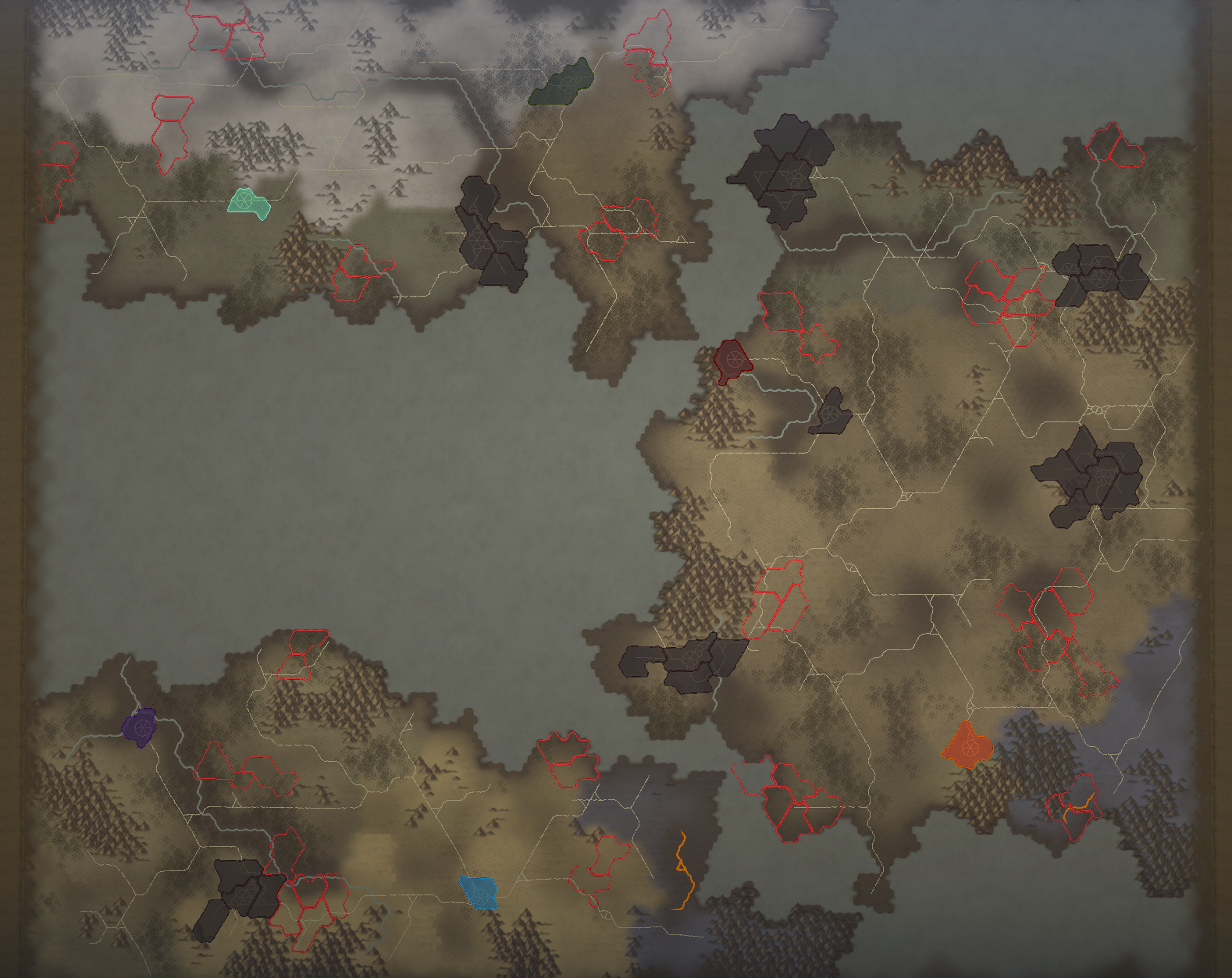
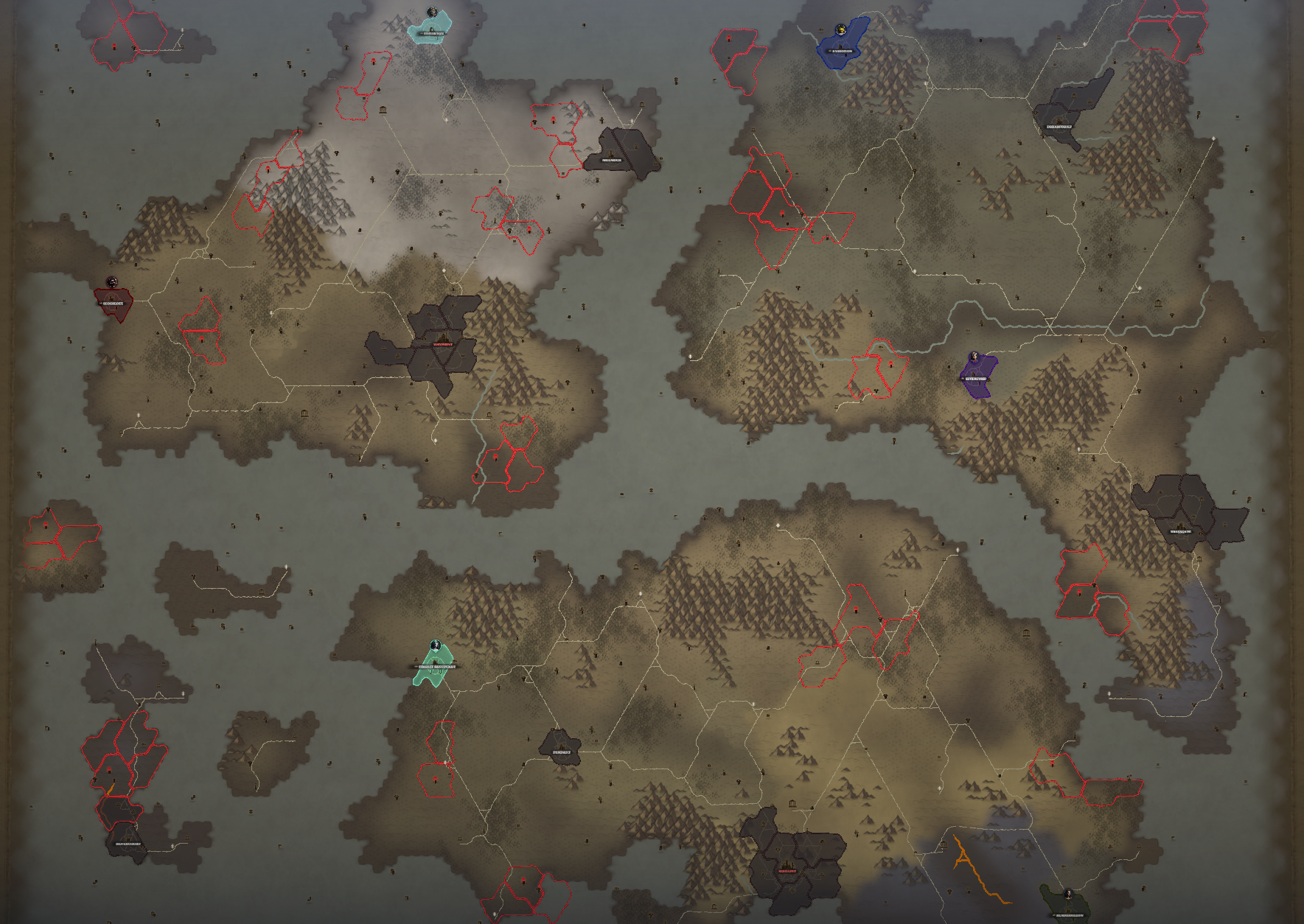
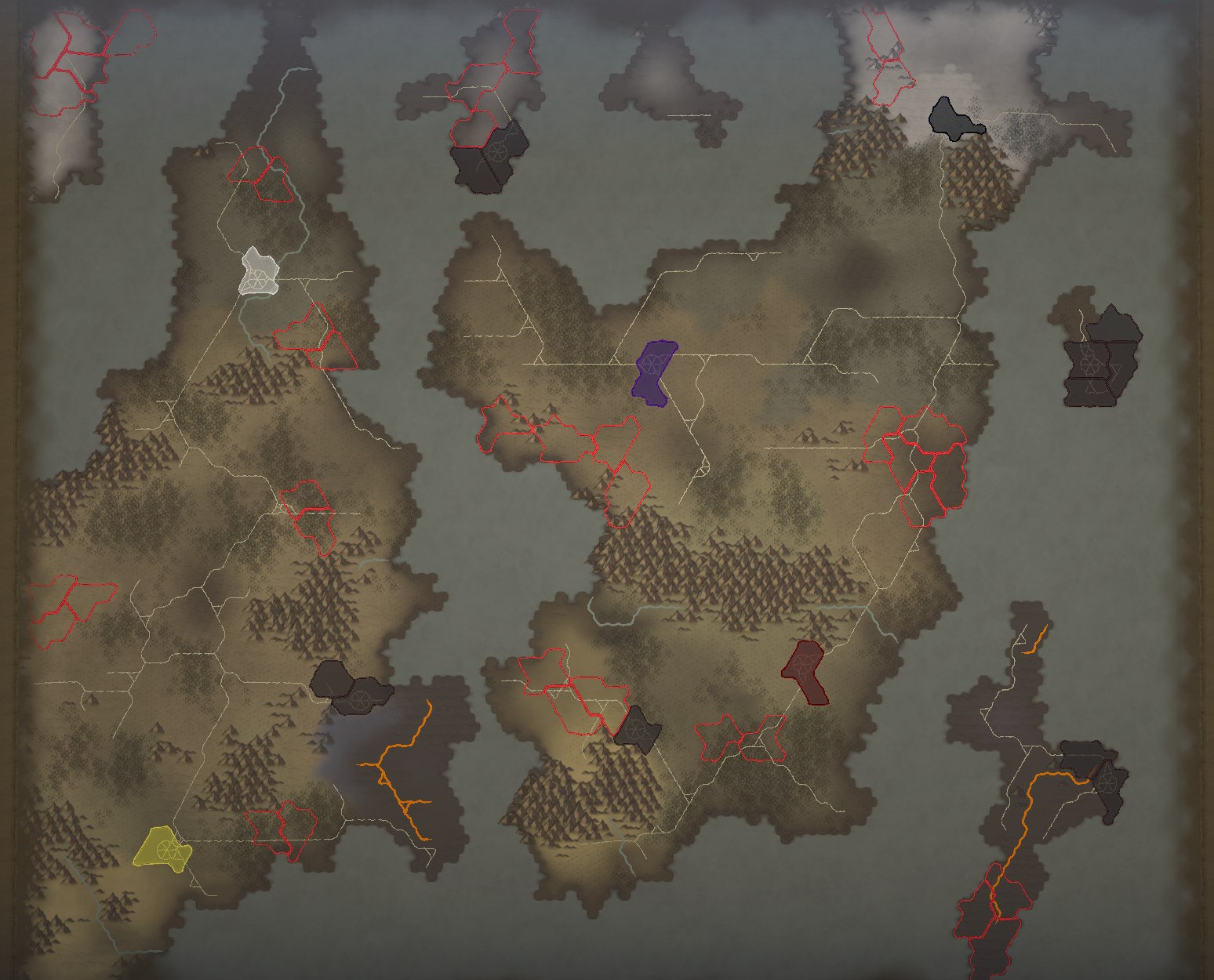
The continents map type could feel a bit repetitive when played multiple times. You would always end up with similar overall land shapes and a large ocean area in the center. To combat this we’ve decided to give the generation process more freedom, this includes that we no longer force the shape of the ocean. But we also allow it to generate small islands in the ocean. This gives us more opportunities to generate underground passages on these islands, and with the change to annex provinces across map layers, will make for worthwhile and defendable settling positions.
Original Continents Map
New Continents Map

In conclusion, we’ve made a number of changes to make your adventure through the underground more exciting! And hopefully the insight into the generation process made for a good read. If you have any more questions about the process, feel free to ask!
If you already want to enjoy these changes and start your own expedition through the underground, then you can join us on the Open Beta branch on Steam, to get an early start on the Watcher Update.
BUG Fixes and updates 2023-07-27 1. Fixed the material ball parameters of socks 2. Optimized the archive logic of whether to display the backpack (you can remember whether to display the status of the backpack after completing the task) 3. Adjusted the layout of the street map in Survival Challenge mode The Urban occupation mode is the last city subdivision, and some 3D models of the camp are currently being modeled Thank you for your support, I am still working hard to develop the current urban occupation mode! Have a good day!