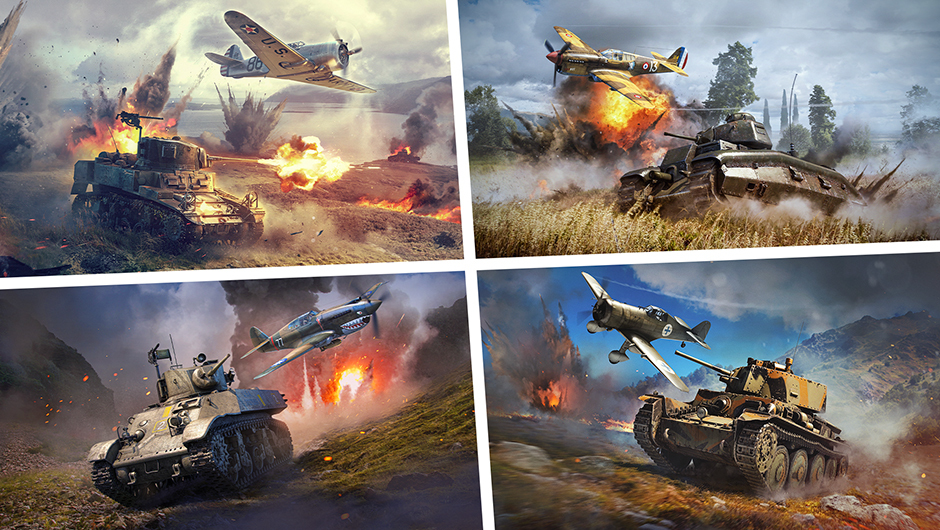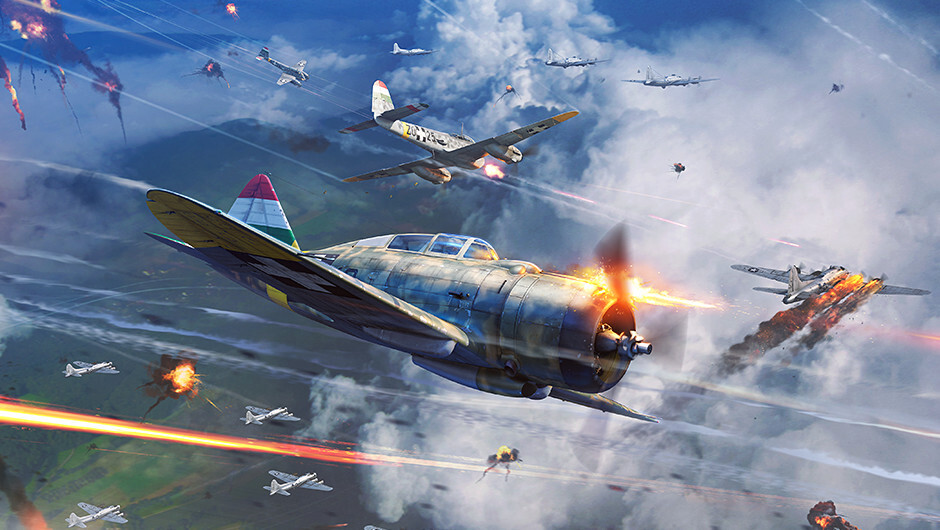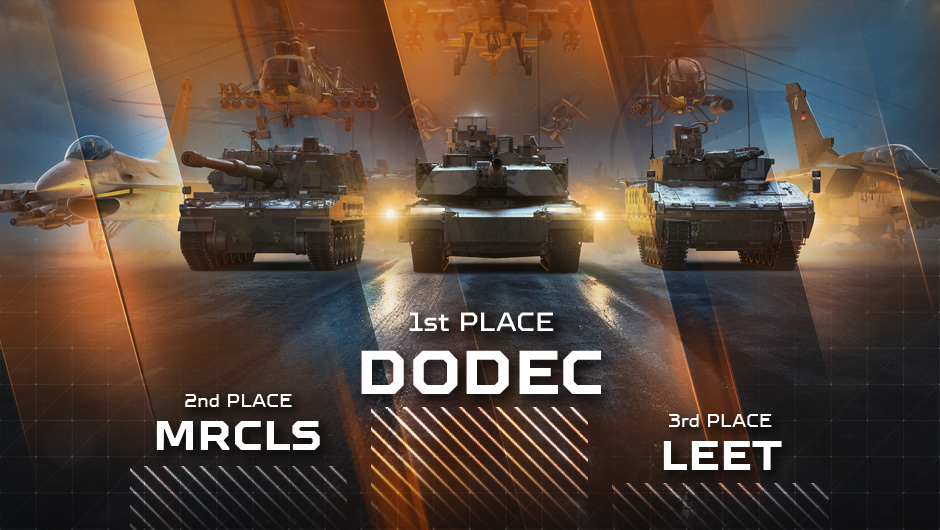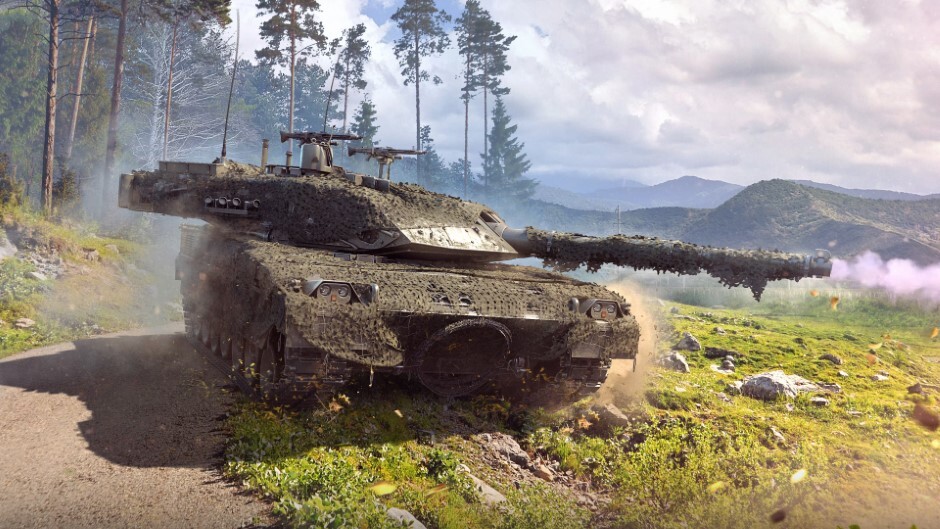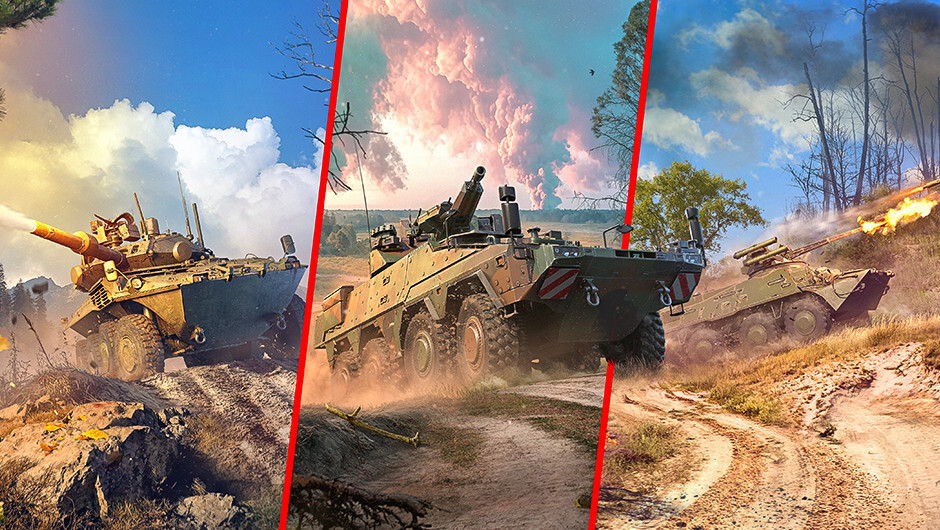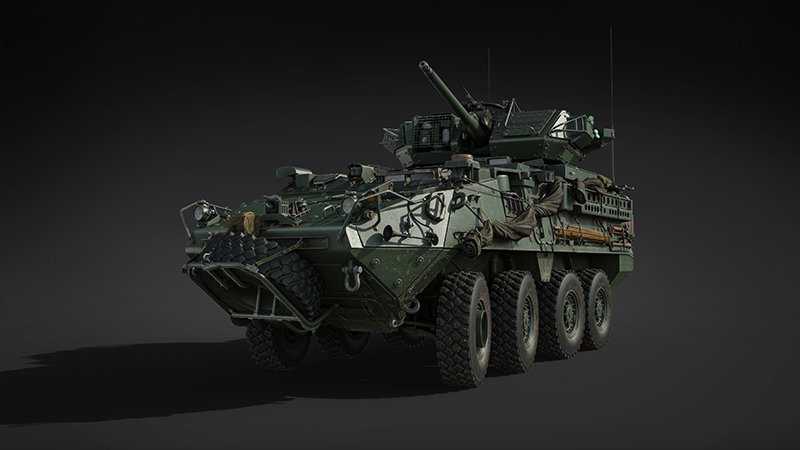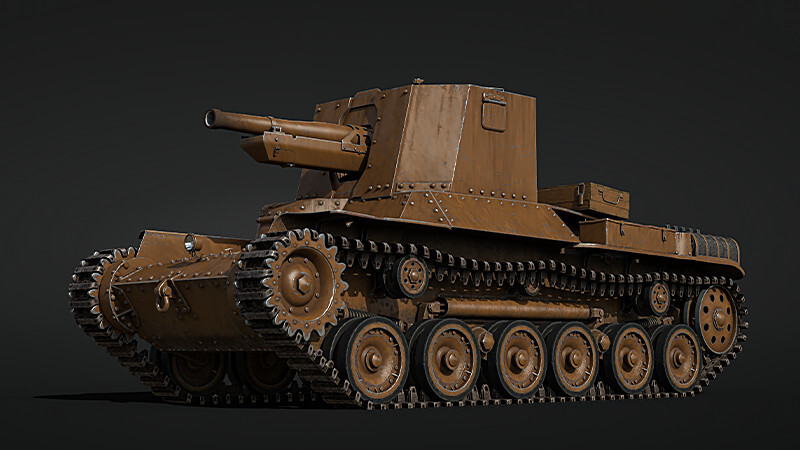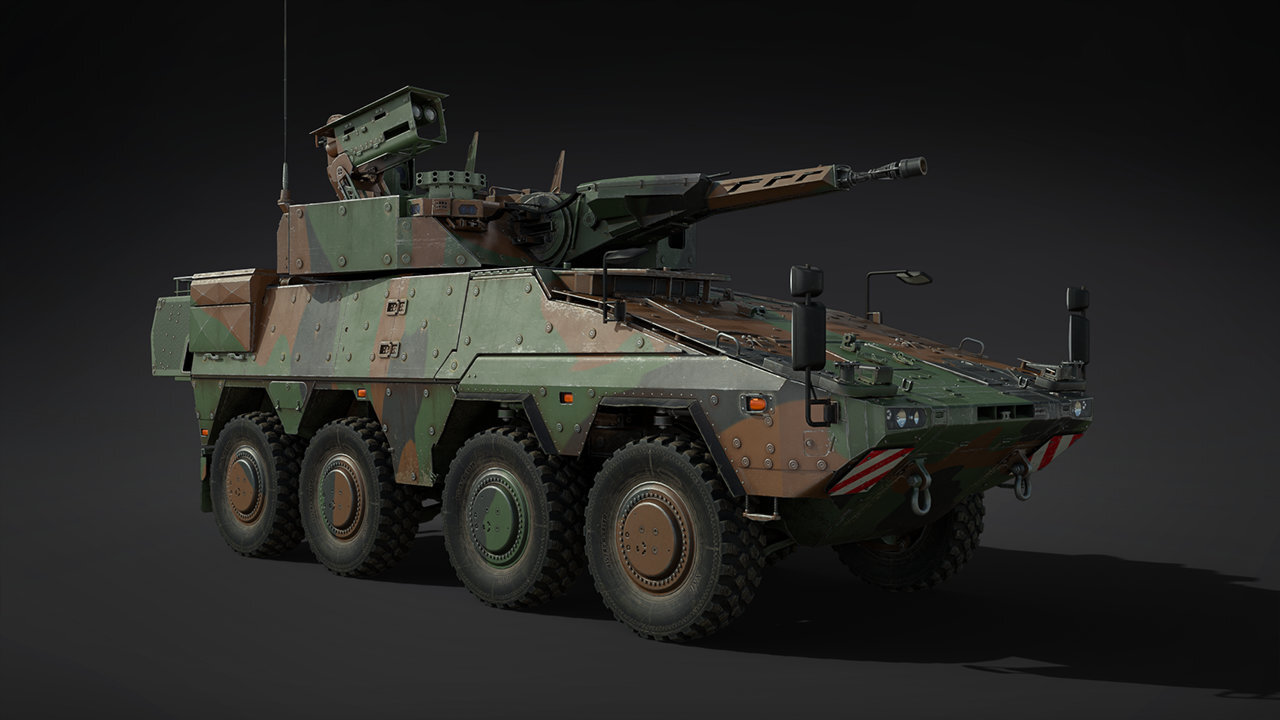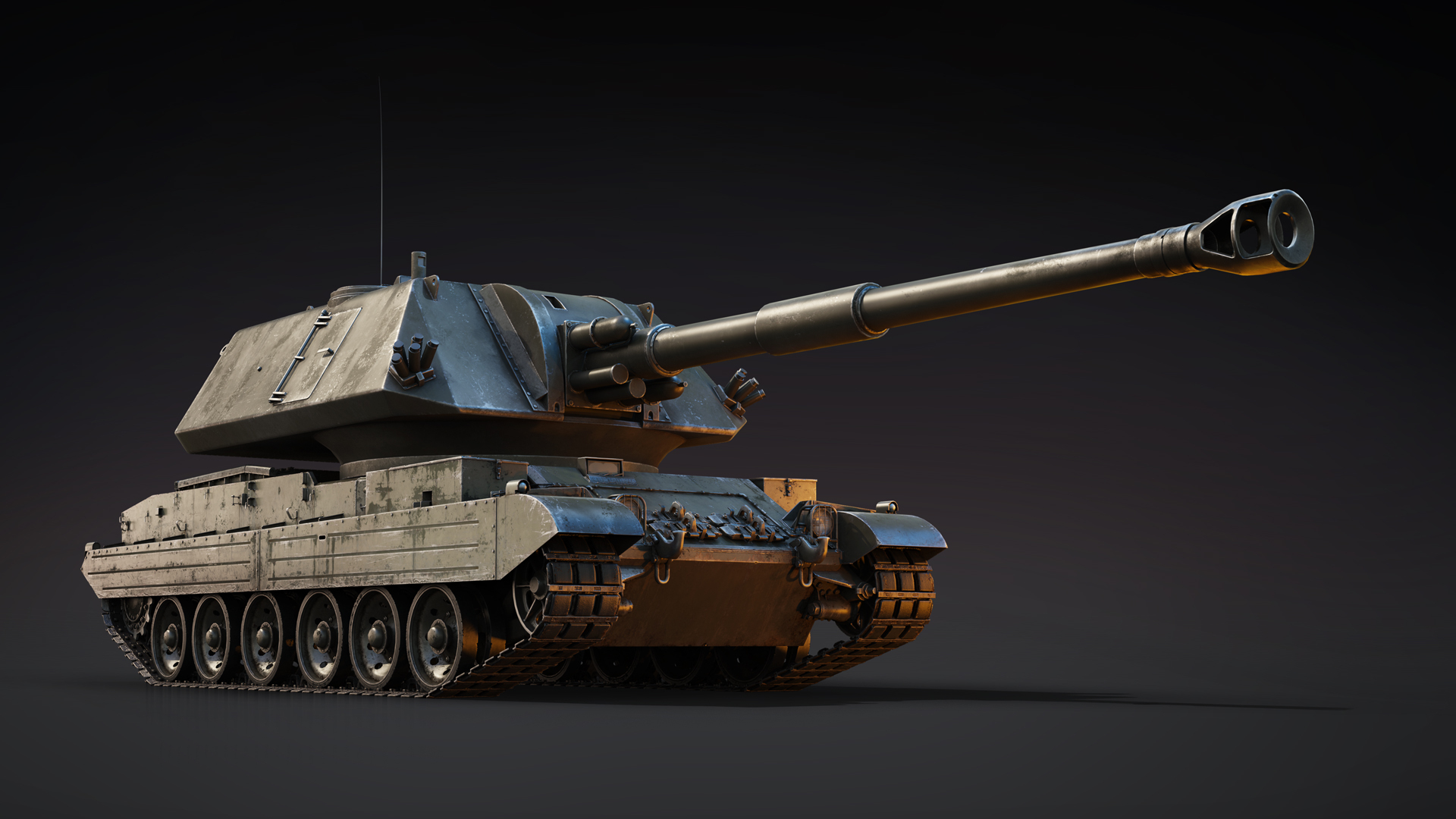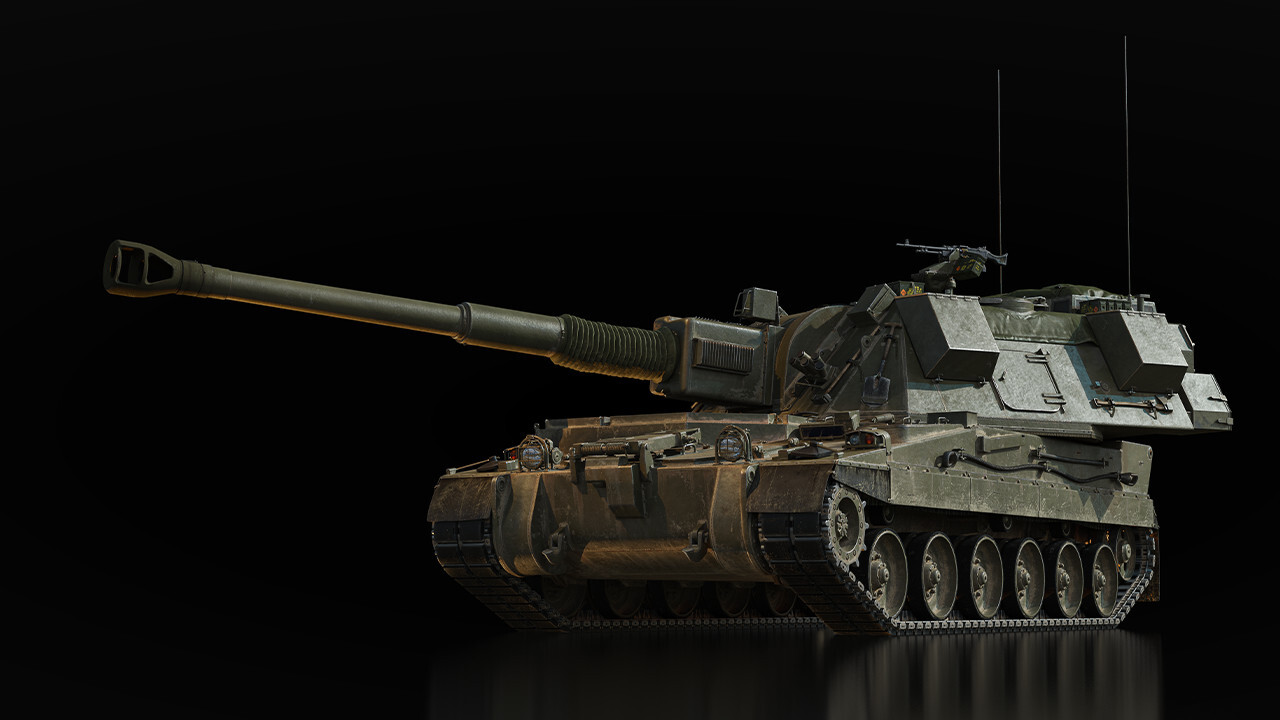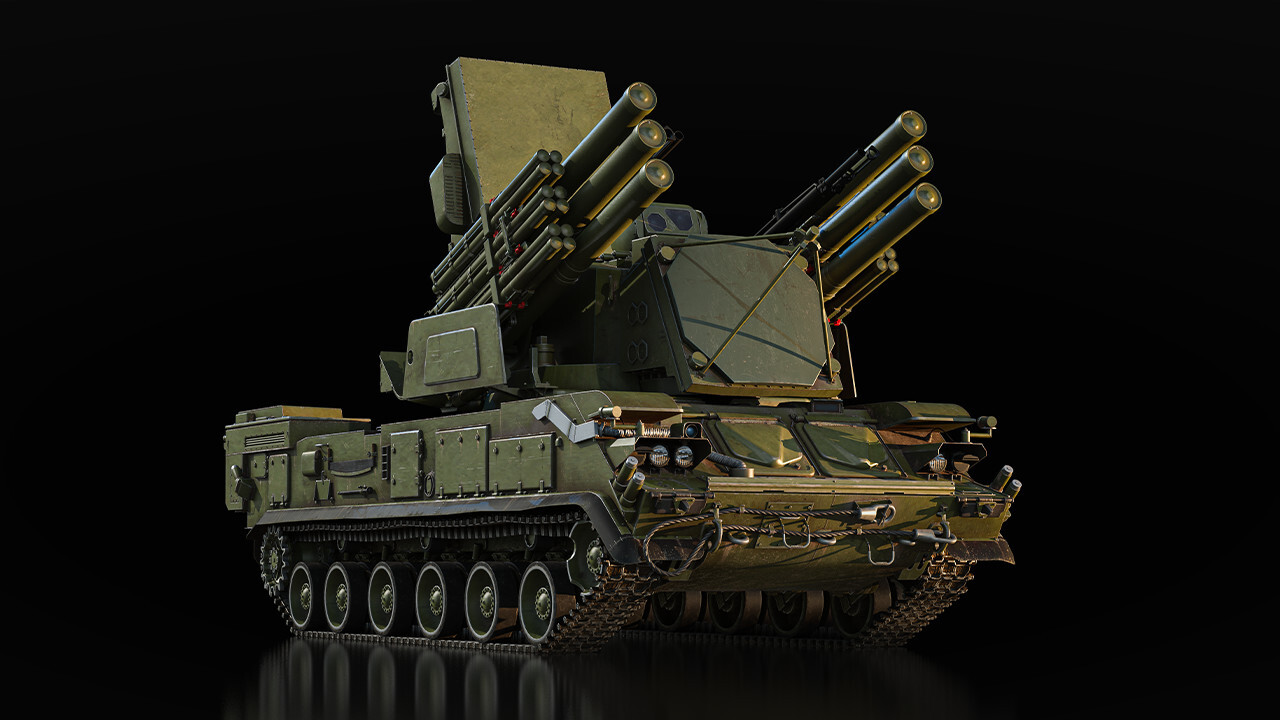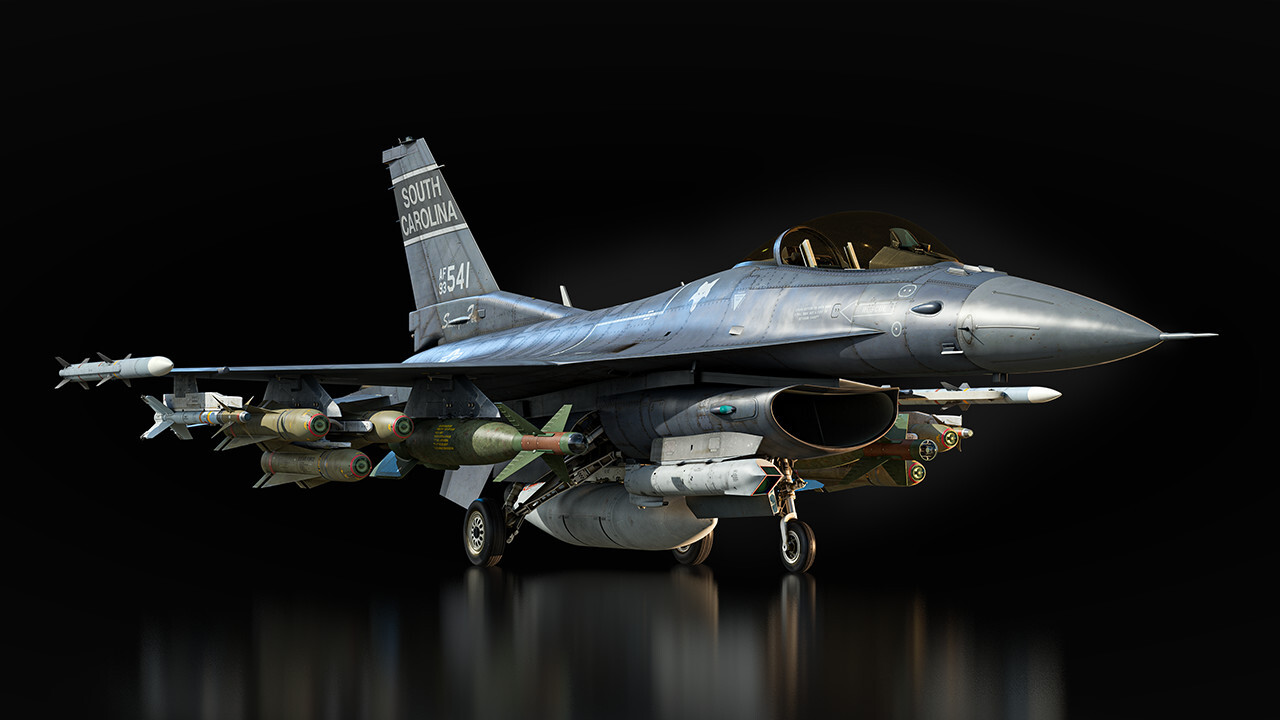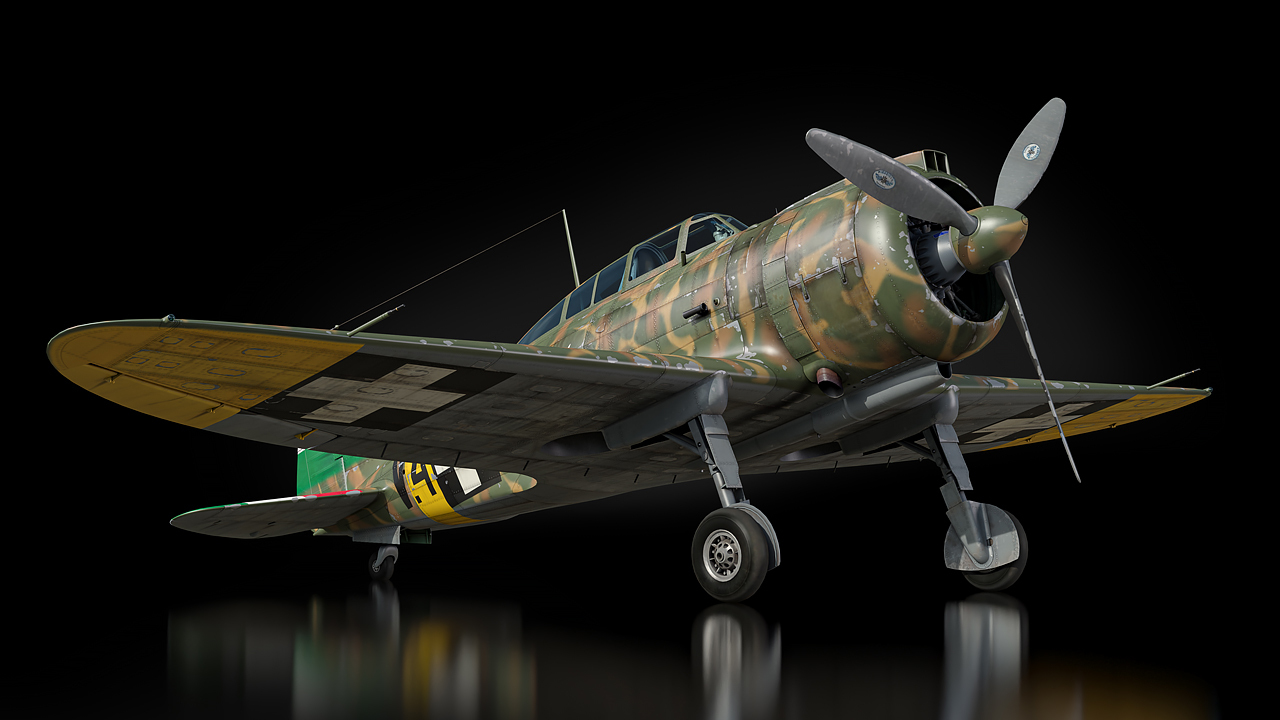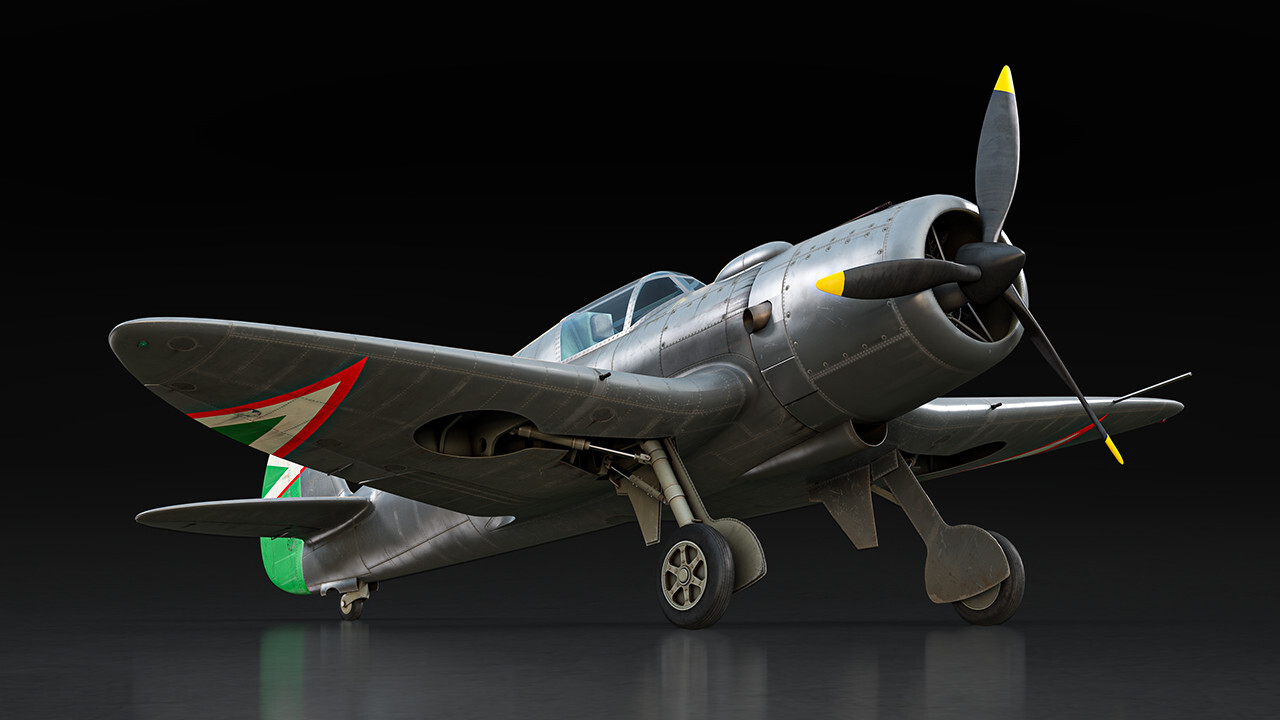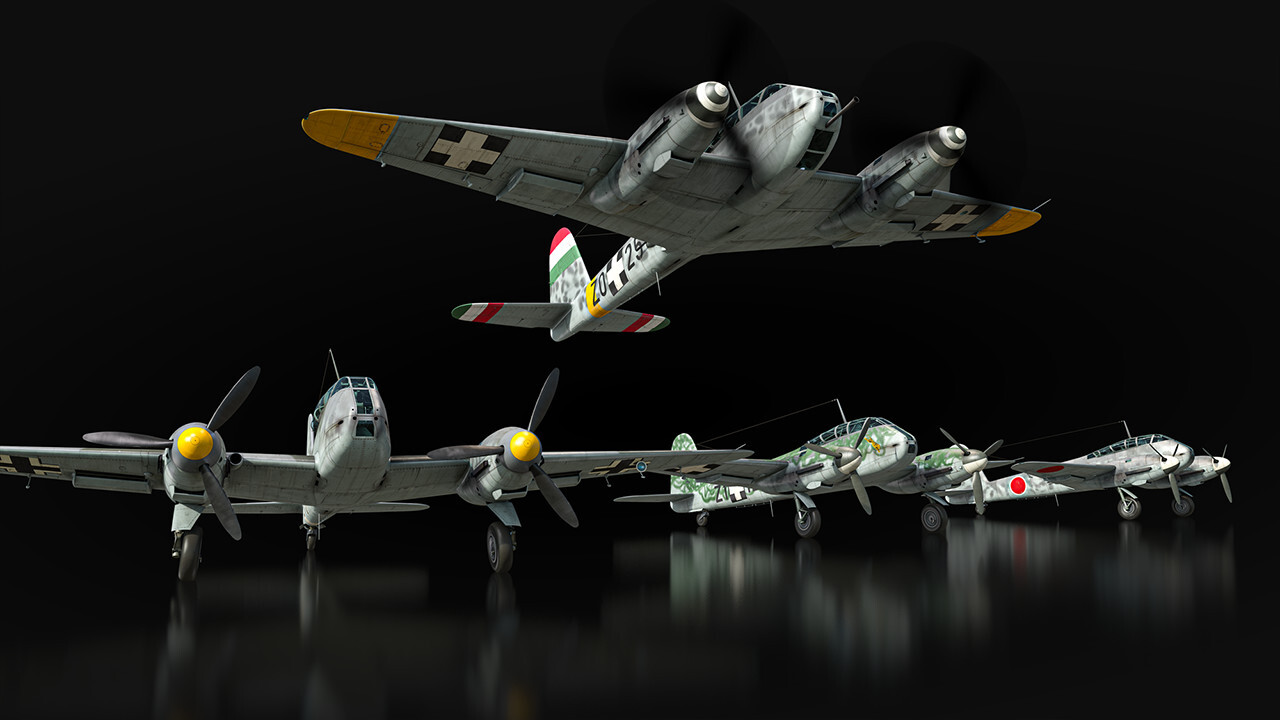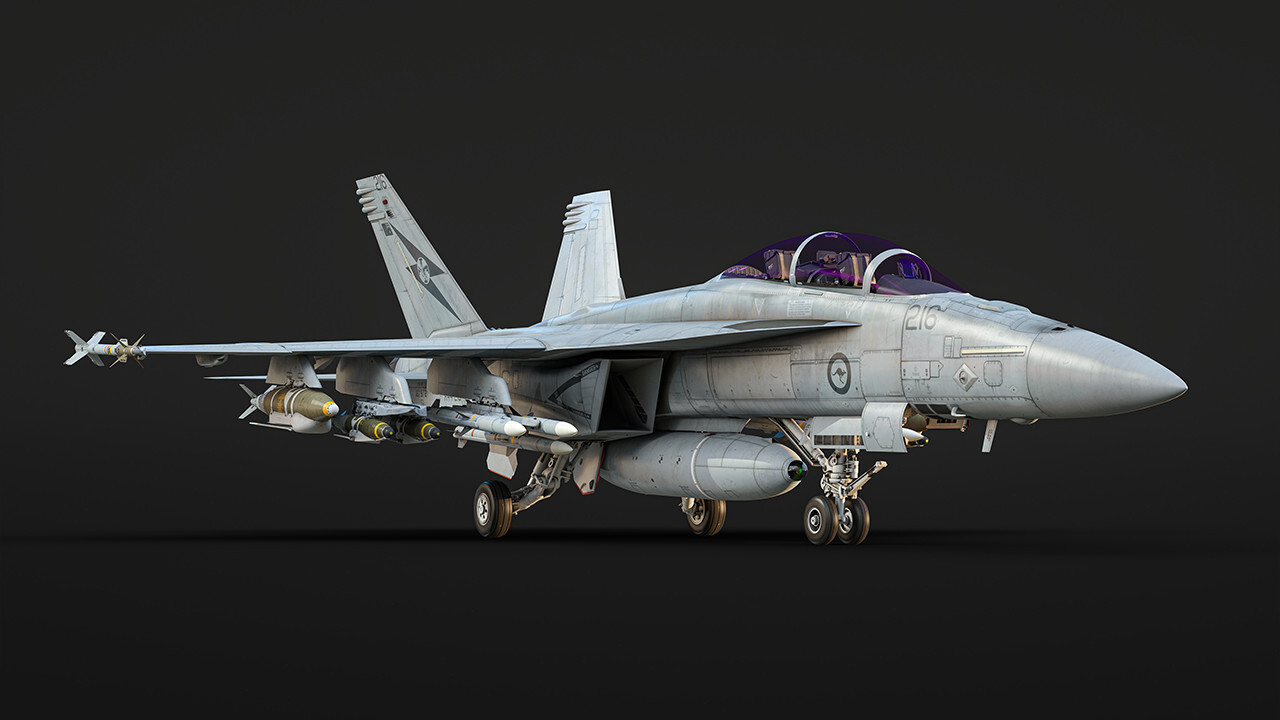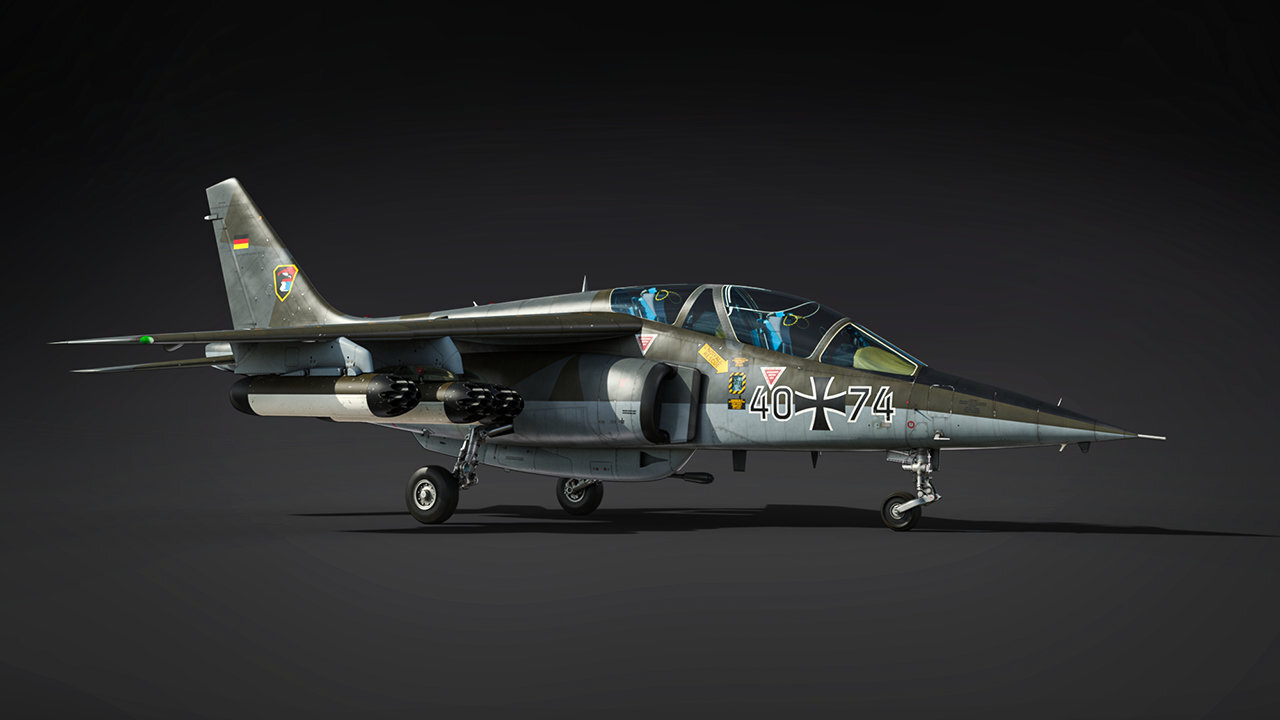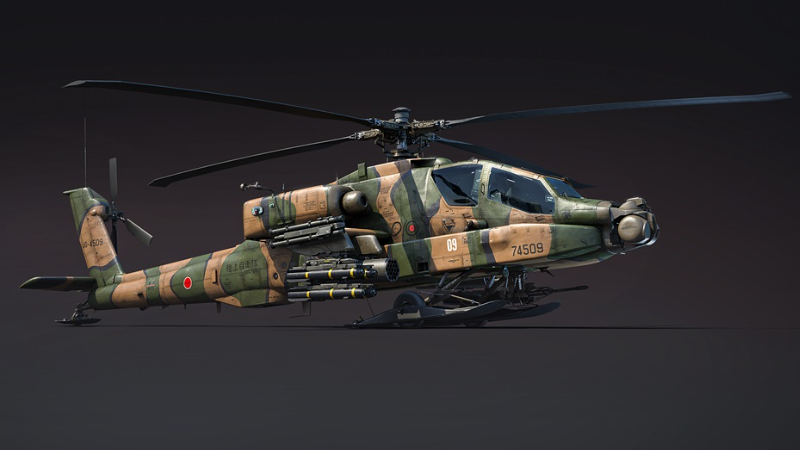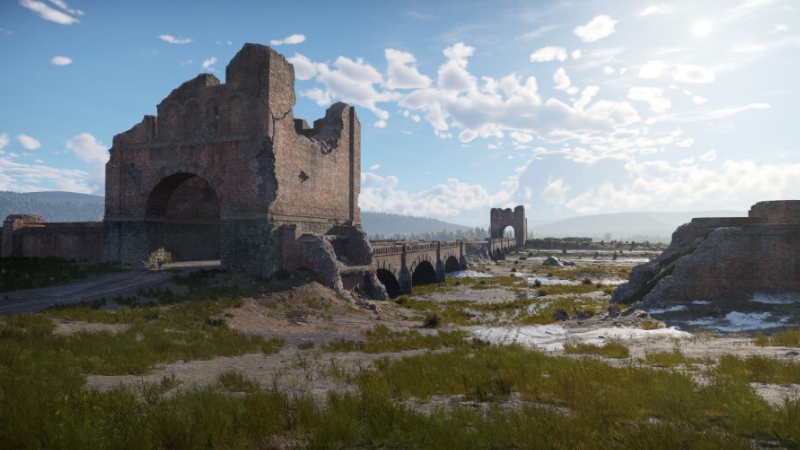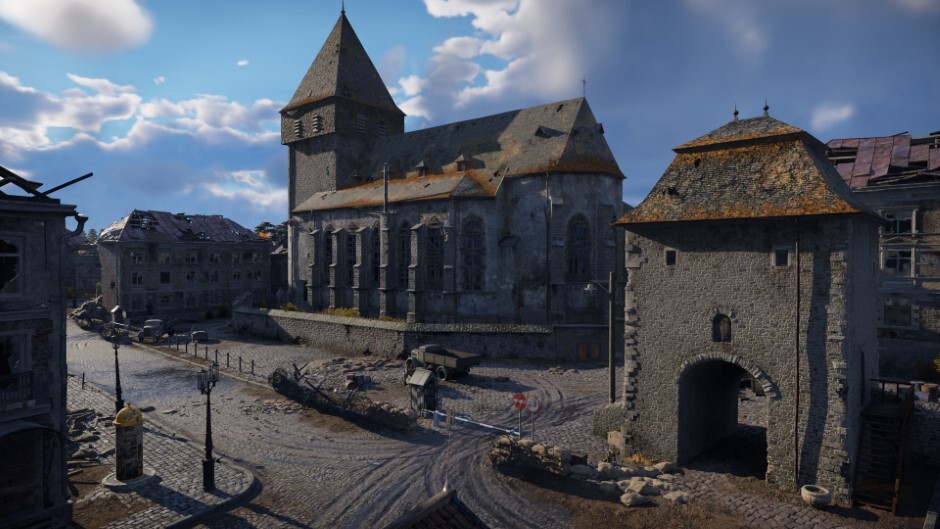
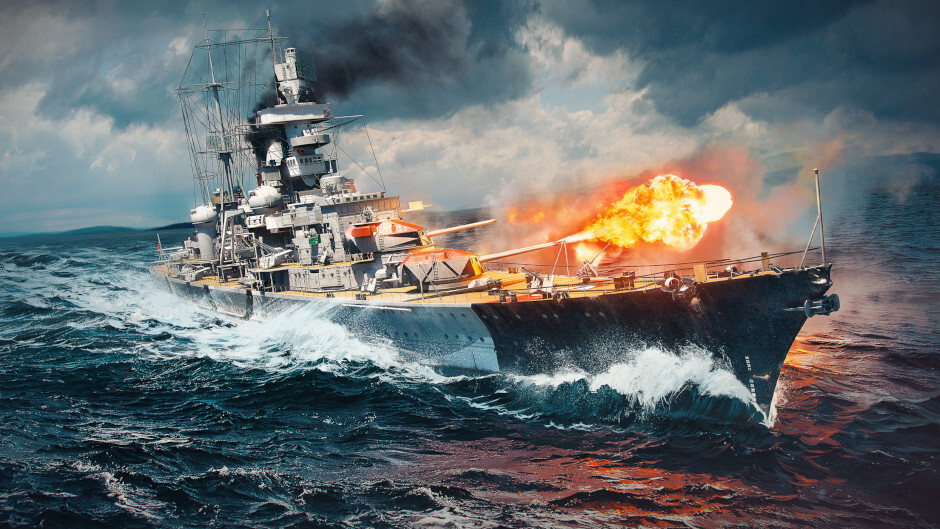

In Pages of History this month, you will find yourself at the center of events that took place in various theaters of war. From Iwo Jima and Narva, Laos and Iraq: participate in battles while using vehicles linked to these historic battles and get some prizes!
From February 1st until February 28th, you will be able to participate in 8 tasks consecutively. Completing each task will grant you a trophy with a reward, completing all of the tasks will earn you a unique profile background!

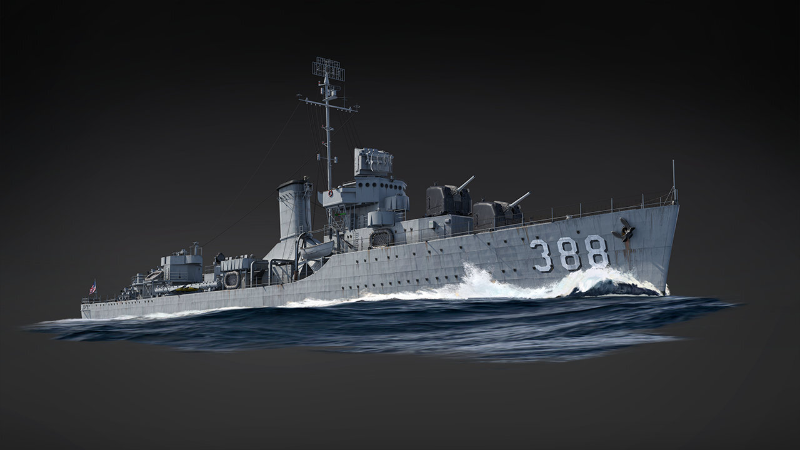
Operation Detachment was the code name for the American amphibious operation to capture Iwo Jima. On February 19th 1945, the first U.S. landing on the beaches of Iwo Jima took place under Japanese fire. On February 23rd, Mount Suribachi was captured, where the famous photograph of the raising of the American flag was taken. On March 26th, the island finally fell under American control.
You can purchase this profile background for Golden Eagles until March 3rd (11:30 GMT) without completing tasks. To find it, go to your Nickname → Achievements → Pages of History.
Completing each individual task will give you a trophy with one of the following rewards:
20-50% RP booster for 3-10 battles;
20-50% SL booster for 3-10 battles;
3-5 universal backups;
Premium account for 1 day;
A random ground vehicle camouflage (out of those that can currently be unlocked or purchased with Golden Eagles).
Tasks are available from 11:00 GMT until 11:30 GMT on the final day of each task.
Tasks can be completed in random battles except for “Assault” mode.
You can read a detailed description of which task is for which day and your overall progress by going to your Nickname → Achievements → Pages of History.
February 1st — February 4th
Battle of Manila
On February 3rd 1945, the battle for the Philippine capital began. After a month of fierce fighting, the city’s Japanese garrison was almost completely destroyed, but Manila itself suffered greatly. Fighting in the Philippines continued until the very end of the Second World War.
February 4th — February 7th
Battle of the Admin Box
From February 5th to the 23rd, British Empire forces held the line against the Japanese advance into Burma. Surrounded, they fortified themselves near the administrative building that gave the battle its name and held out for two weeks, receiving supplies by air. The Japanese, however, were poorly supplied and suffered from hunger and disease, forcing them to eventually retreat.
February 8th — February 11th
Lam Son 719
On February 8th 1971, the South Vietnamese Army launched an offensive into Laos, supported by US air and artillery fire. The attackers succeeded in destroying North Vietnamese warehouses and logistics, which were soon restored. However, South Vietnamese forces suffered significant losses and retreated in disarray in March. The Americans lost over 100 helicopters in the operation, and more than 600 were damaged.
February 11th — February 14th
Operation Cerberus
From February 11th to 13th 1942, the Kriegsmarine conducted an operation to remove the battlecruisers Scharnhorst and Gneisenau and the heavy cruiser Prinz Eugen from the constant attacks of the Royal Air Force, transferring them from the west coast of France to home bases. The ships daringly sailed through the English Channel, right in full view of the British. However, due to poor coordination between the Royal Air Force and the Royal Navy, they were unable to inflict any serious damage on the convoy.
February 15th — February 18th
Narva offensive
After the siege of Leningrad was lifted, the Red Army launched an offensive on the narrow Narva Isthmus. The enemy’s defenses were unable to be broken, and on February 15th the Soviet forces landed on the western shore of Lake Peipus. This bridgehead was soon overrun by Estonian and German forces; the USSR only managed to capture Narva in July.
February 19th — February 22nd
Battle of Iwo Jima
On February 19th 1945, one of the bloodiest battles of the Pacific theater began. Japanese fighters took off from airfields on Iwo Jima to intercept American bombers, making the island a strategically important point. The United States had the numerical advantage, but the Japanese held their ground in a heavily fortified network of bunkers, caves, and tunnels, allowing them to survive prolonged bombing and naval shelling. The assault on the fortifications proved costly for the Americans, taking over a month.
February 22nd — February 25th
Operation Grenade
The Allied crossing of the Ruhr was scheduled to begin on February 10th 1945, but the Germans opened the floodgates, flooding the Ruhr Valley. On February 23rd when the waters subsided, the Americans began the crossing: engineers built bridges under smokescreens, and the swift action of Allied armor allowed them to advance rapidly and reach the Rhine in early March.
February 25th – February 28th
Battle of Norfolk
On February 27th 1991, the largest tank battle of the Gulf War took place in southern Iraq. British and US forces routed the Iraqi army, capturing tens of thousands of prisoners and destroying hundreds of tanks, infantry fighting vehicles, and artillery pieces. American and British casualties were few, often due to friendly fire. Immediately after the battle, on February 28th, a cessation of hostilities was declared.

The cool down time on placing ammo boxes has been reduced from 60 seconds to 15 seconds.
A bug that caused the engine sound of all VTOL aircraft to not depend on the engine RPM, but instead on a “Throttle” input value when hovering has been fixed.
A bug that sometimes caused destroyed tree trunks to reappear in different places on several maps has been fixed.
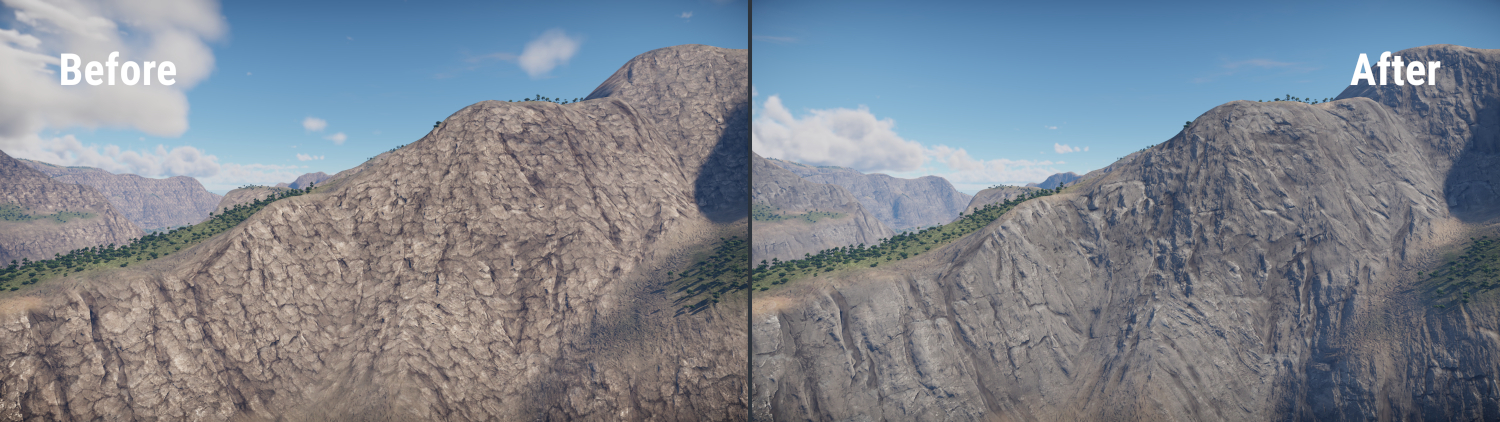
A bug that caused shadows in the tank battle area cast by mountains to flicker when the sun was low above the horizon when using the “Shadow quality” setting on High or Very high has been fixed.
Patch notes reflect only key changes, meaning they may not include a complete list of all improvements made. Additionally, War Thunder is constantly being updated and some changes may not require an update. Changes reflected in patch notes are formed by taking reactions and requests of the community from the bug reporting service, forums and other official platforms into account. Bug fixes and changes are implemented in order of importance, for example a game-breaking bug will be worked on and implemented sooner.

A bug that caused the SC2500 bomb to clip through the trolley and ground in the hangar has been fixed. (Report).
A bug with HDR that caused black artifacts to appear where the bomb CCIP indicator and action panel elements overlap has been fixed.
Sun City — the missions on this location have been temporarily removed from the rotation until a bug is fixed.
The referral reward for an invited player purchasing vehicles can no longer be obtained when purchasing rank IV Naval vessels and is only obtainable when purchasing rank IV ground vehicles and aircraft.
Patch notes reflect only key changes, meaning they may not include a complete list of all improvements made. Additionally, War Thunder is constantly being updated and some changes may not require an update. Changes reflected in patch notes are formed by taking reactions and requests of the community from the bug reporting service, forums and other official platforms into account. Bug fixes and changes are implemented in order of importance, for example a game-breaking bug will be worked on and implemented sooner.

A bug that caused the calculation of track speeds to be incorrect when a large number of targets was detected by a radar with ESA in TWS mode has been fixed. (Report).
A bug that caused an extra parameter to be present in the crew window in the Repair category has been fixed. (Report).
A bug that in some cases caused the textures of impact markers, snow and some others to not render on some parts of buildings has been fixed.
Patch notes reflect only key changes, meaning they may not include a complete list of all improvements made. Additionally, War Thunder is constantly being updated and some changes may not require an update. Changes reflected in patch notes are formed by taking reactions and requests of the community from the bug reporting service, forums and other official platforms into account. Bug fixes and changes are implemented in order of importance, for example a game-breaking bug will be worked on and implemented sooner.


Today we’ll be taking a look at the Paintball Arena event’s main reward: a T-72B3 main battle tank with the Arena-E active protection system!
T-72B3 “Arena”: An Event Vehicle Main Battle Tank for the USSR/Russia at Rank VII
At a glance:
Comprehensive protection: steel, composite, ERA, and APS
3BM60 APFSDS and gun launched ATGM
Thermal imager
Bulldozer blade
Low reverse speed
The history of Russian active tank protection systems dates back to the mid-1960s, when development of a promising protection system under the working name “Dikobraz” (Porcupine) began. In the late 1970s, engineers succeeded in creating a prototype, which was later adopted as the world’s first mass-produced active protection system (APS), the “Drozd” (Drozd). The system’s purpose was to detect and destroy anti-tank weapons, like rocket-propelled grenades and guided missiles, incoming towards the tank before they made contact with the tank’s armor.
The next major step was the introduction of the “Arena” system in 1993. This system incorporated a new detection radar and counter-munitions with a directional fragmentation field. With the “Arena” system, radar sensors were combined into a cylindrical module on the turret roof, and launchers were positioned around the tank’s exterior, protecting designated sectors. The issue with the large sensor module was resolved in the next iteration of the system, the “Arena-M”. With this one, sensors were placed around the exterior of the tank’s turret, and the counter-munitions were equipped with orientation motors. The launchers were now grouped in a single area, and each counter-munition, after firing, instantly orientates itself toward the incoming projectile. The fragmentation field of these counter-munitions was generated with a velocity gradient, causing the fragments to first strike the anti-tank missile’s fuse and then the projectile body containing the main explosive charge.
The Arena-E APS (export designation Arena-M) was first demonstrated to the general public at the RAE-2013 exhibition in Nizhny Tagil, based on the T-72B3 MBT.

The grand reward of the Paintball Arena ground vehicle event is the Russian T-72B3 main battle tank with the “Arena-E” active protection system! With this one, you can expect excellent protection, an automatic loader, good armor-piercing shells, ATGMs, and advanced electronics. Let’s take a closer look!
The T-72B3 “Arena” is one of the few vehicles in the game equipped with an active protection system. The Arena-E active protection system has eight rounds, effectively defeating guided anti-tank missiles fired from both the ground and the air. This system complements the tank’s already good armor protection, which at the front consists of composite armor covered by integrated ERA.


Right off the bat, it’s clear that the T-72B3 “Arena” is very similar to the pre-top-of-the-line Soviet T-72B3A tank, however its armor is different. Why’s that? Firstly, the T-72B3 “Arena” does not have the T-72B3 UBKh armor package, meaning it retains the stock T-72B3 V-84-1 engine and Kontakt-5 ERA. And secondly, it carries less counter-munition rounds in its active protection system, having 8 instead of 12 found on the T-72B3A.


The T-72B3 “Arena” is set to be one of the best representatives of the T-72 family in the game. In addition to excellent protection, the tank boasts good mobility and a respectable top speed, a large-capacity automatic loader with a 7 second reload time, and a high-resolution thermal imager. The tank’s ammunition loadout includes a range of ammuniton: from HEATFS and HE, to two APFSDS rounds, including the 3BM60, as well as tandem ATGMs, which can also be used against helicopters at ranges of up to 6 km. The T-72B3 “Arena” has a few drawbacks as you might expect, for example its traditionally slow reverse speed, poor gun depression and the large automatic loader carousel, which is vulnerable to side hits.

That’s this one wrapped! You can get the new T-72B3 “Arena” by completing tasks in the Paintball Arena ground forces event, which started today in War Thunder. Be sure to enhance your top-tier Soviet armored vehicle lineup with this technologically advanced and versatile rank VII MBT!
Please note that this vehicle’s characteristics may be changed before it is added to the game.
Click here to find out more details about the Paintball Arena event
https://steamcommunity.com/games/236390/announcements/detail/556890678635791671

Today, we’ve rounded up and will be covering some of the bug fixes and improvements that we’ve made to the game today and over the past few weeks. If you’d like to catch up on every fixed bug, then be sure to check out the changelog section on our website.
If you’ve found a bug that you’d like to report, you can do so on our community bug reporting platform.

Some time ago, we discovered that air-to-ground missiles and guided bombs with laser seekers that lacked an uncaging feature were frequently missing their targets. As soon as the projectiles approached the laser seeker’s lock-on range, they began to change direction, losing energy and ultimately landing in a completely different location. We fixed the bug that caused this issue and also added a wind-stabilization mechanism to the aerodynamically stabilized laser seekers. These seekers now are always pointed in the same direction as the projectile’s velocity vector during flight, preventing them from losing their target unnecessarily.

Sometimes, when using navigational bombing (CCRP), the bomb would miss its target. This didn’t happen during nose-up or level flight, only sometimes during a dive, even a very shallow one. Having determined the cause, we’ve fixed this problem.

Some of the most annoying bugs that have appeared recently resulted in a lack of damage from direct hits from ammunition. One of these bugs meant that spall did not form after the HEAT jet penetrated armor, causing HEAT rounds to inflict little or no damage. Another bug meant that aircraft easily survived direct hits from air-to-air missiles and surface-to-air missiles, which should have destroyed or at least severely damaged them.

Imagine you’re flying over, and suddenly your radar detects an enemy ship, and your radar seekers begin to track it. However, you look below and don’t see anything on the surface. Could enemy submarines have secretly snuck into War Thunder?!
Nope, they’re not in the game. This issue caused an already destroyed and sunken enemy ship to be tracked by mistake. Thanks for your reports on this, we’ve fixed it!

Some helicopters experienced an issue when placing a point of interest from the 3rd person view and switching to targeting optics while simultaneously moving the mouse. The camera should have been focused on the targeted area, but in certain cases it could shift significantly, interfering with the accuracy of missile launch. This has been fixed, too!
Check out the full list of fixes and improvements in the update notes below! Here’s some more: The location minimap no longer becomes translucent and ships no longer spawn outside the playable area in the African Gulf.
A bug where laser homing seekers that did not have the ability to uncage would send incorrect target coordinates and speed data to the autopilot after locking on, causing the munition to miss its target has been fixed. (Report, Report).
GBU-10/12/16/48/49/50 Paveway II, Paveway IV, GBU-54B LJDAM, GBU-62 LJDAM-ER, KAB-500L, KAB-1500L, BGL-400, BGL-1000, Mk.13, Mk.18, GB3, GB500, BA-FG-230-Lizard-2, BA-FG-230-Lizard-3, Fire Snake 90A, GATR, CIRIT, AGM-123 Skipper, AGR-20A (APKWS II M151), AGR-20B (APKWS II M282) — a wind stabilization mechanic has been added to aerodynamically stabilized laser seekers. Now in flight, the seeker is directed along its flight direction (velocity vector) instead of along the central axis of the munition, which lowers the chance of losing the target.
F/A-18E — a bug that caused the flaperons to remain hovering in the air when the wing was torn off has been fixed. (Report).
Re.2005 (VDM) — the maximum weight of the secondary weapons has been increased from 655 kg to 710 kg to match the Re.2005 serie 0.
Ayit — the appearance of the brake parachute has been adjusted. (Report).
Kor-2 — a bug that caused the smoke screen system to be missing has been fixed. (Report).
Do 217 E-2, Do 217 E-4, Do 217 K-1, Do 217 M-1 — a bug where the pre-installed armament set consisting of two SC1000 bombs located in the fuselage was missing has been fixed. (Report).
Mosquito B Mk.16 — the engine power has been increased. (Report).
KAB-500Kr — the warhead type has been corrected from high-explosive fragmentation to semi-armor-piercing. The ability to set the fuse delay has been removed.
The material of the casing of AP bombs that are calibers of 250 kg or more has been changed from 5 mm of structural steel that is shared with usual HE bombs to 10 mm of CHA.
A-7E (all variants) — the color of the 2 x 1000 lb LDGP Mk.83 bomb icon in the Secondary Weapons menu has been corrected. (Report).
Tor-M1 (USSR) — a bug that caused the scouting ability to be missing in battle has been fixed. (Report).
A bug that caused the text key to display after repairing power electronics and hydraulics modules has been fixed.
IJN Musashi, IJN Yamato — the ship’s internal structure has been corrected in the area of the forward and aft ammunition magazines. A bug where the detonation of the shell rooms would cause the detonation of all magazines, destroying the ship, has been fixed.

A bug that allowed aircraft radars and radar seekers to acquire already submerged ships has been fixed. (Report).
A bug that sometimes caused the automatic release point of bombs when using CCRP to be calculated erroneously when diving has been fixed.
A bug that sometimes caused the camera on helicopters to move to another point when switching to the targeting optics view has been fixed. (Report).
Freccia OWS 30 — the destruction of the 30 mm ammo belt no longer leads to the destruction of the vehicle.
In sensor view in replays, a bug that caused the vehicles of Multi-Vehicle SAM systems that were not currently under the player’s control to be counted by filters not as player’s vehicles, but as vehicles of squadmates and allies has been fixed.
Maximum picture brightness in NVD has been adjusted. Previously the image was too bright on winter maps when the moon was high above the horizon.
\[Domination] Alaska — too small detection zones around spawn points of both teams have been extended. (Report).
Patch notes reflect only key changes, meaning they may not include a complete list of all improvements made. Additionally, War Thunder is constantly being updated and some changes may not require an update. Changes reflected in patch notes are formed by taking reactions and requests of the community from the bug reporting service, forums and other official platforms into account. Bug fixes and changes are implemented in order of importance, for example a game-breaking bug will be worked on and implemented sooner.

We keep fighting cheaters using your reports and the BattlEye anti-cheat system, and as usual, today we’re sharing a bit of info on bans that we’ve distributed over the past month. If you’d like to help keep War Thunder free from cheating, you can find out how to file a report and how our anti-cheat system works on our Wiki.
Since our last fair play, we’ve banned 8320 accounts that were found to have violated the rules. Specifically 3.2.3 of the EULA namely in the automation of gameplay (using bots) and cheat software. For complete transparency, we’re publishing the full list of these banned players. This list will be available for two weeks after the publication of this article.
Additionally, 174 accounts have been banned for a week or longer for intentional teamkilling, ramming and griefing.
We recommend that you set a strong password for your account and enable two-step authentication in your profile security settings. We have the following 2FA options available: email, SMS, TOTP (Gaijin Pass/Google Authenticator).
We’d also suggest that you turn on 2FA for the email that is linked to your Gaijin account for additional security, as this will protect your account from fraudsters. And remember, don’t use prohibited client modifications and never share your account information with anyone.
The War Thunder Team